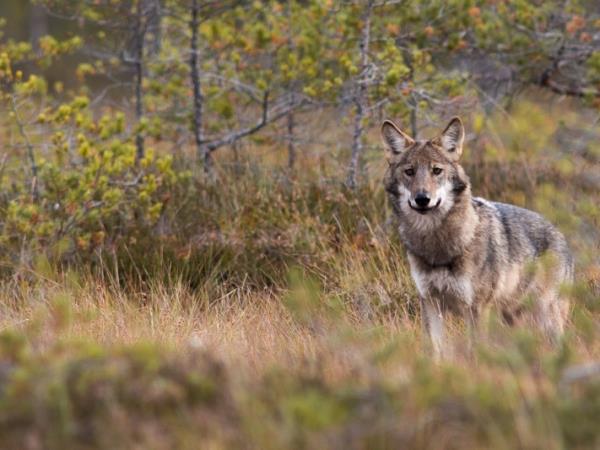
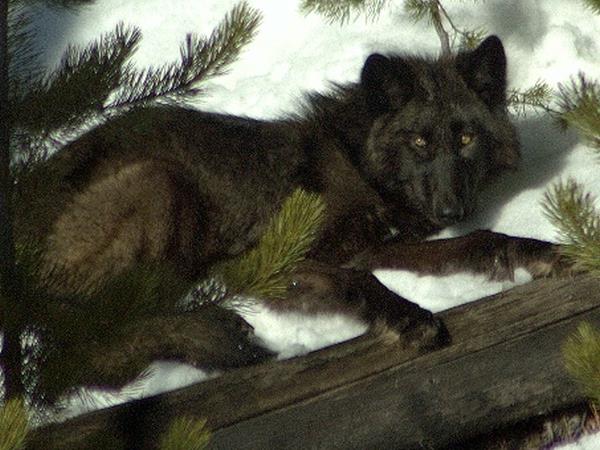
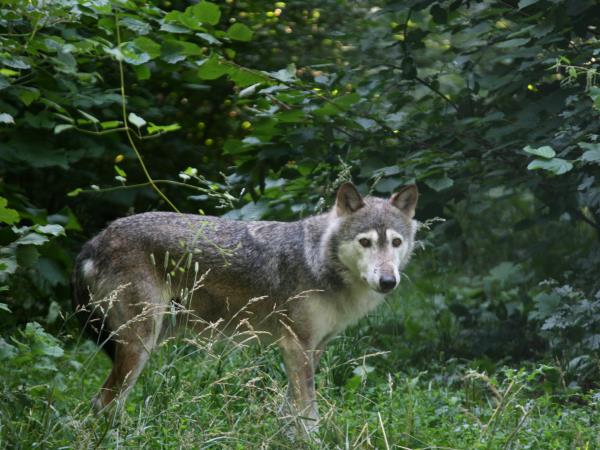
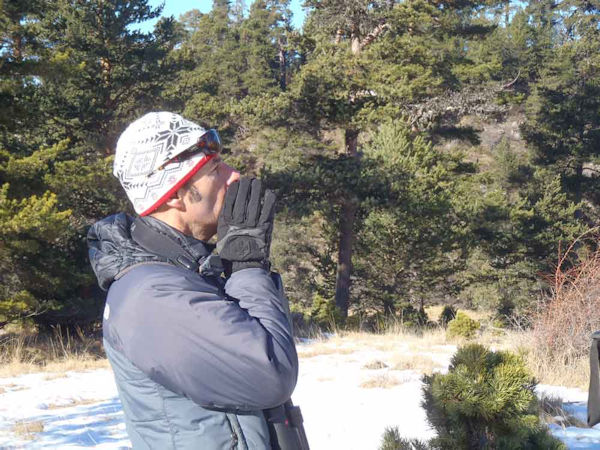
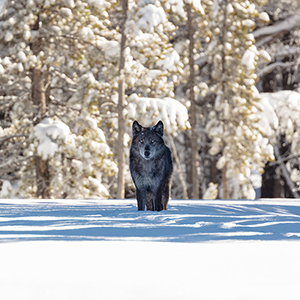
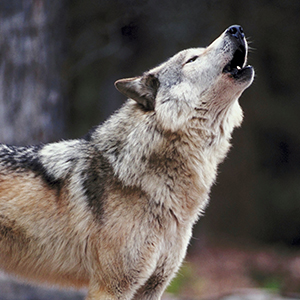
Wolf tracking vacations take you to the unspoiled forests of Europe, the tundra of northern Canada or the remote frozen valleys of Yellowstone National Park. Typically, you’ll be accompanied by a conservationist, wildlife researcher or local tracker, to gain an on-the-ground insight into the life of this often misunderstood animal, learning how to track it, spotting prints and even howling to communicate with the pack! If you want to go one step further, volunteer on a wolf research project, helping to record data, set camera traps and collect samples, too.
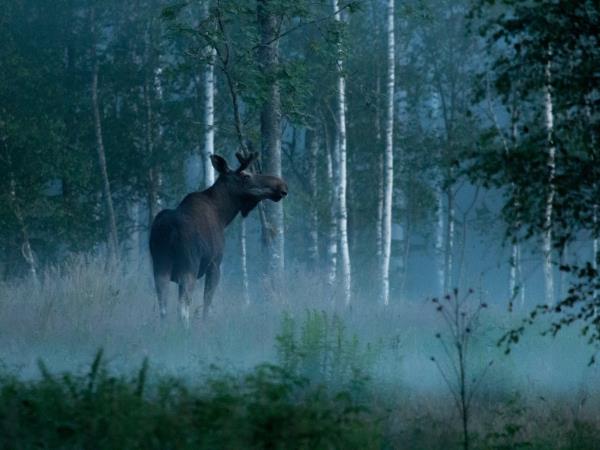
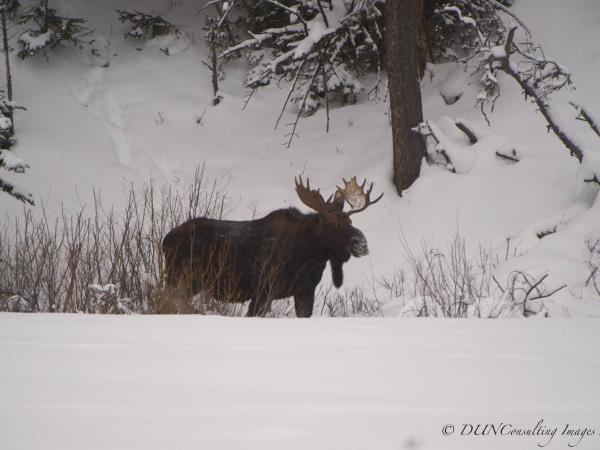
While the wolves may elude you, a wolf tracking vacation is hopping with wildlife, as you get to know the creatures that share the wolf’s world, and potentially end up as its dinner. In France, spot chamois, wild boar and deer. In Poland, come face-to-face with herds of bison, and in Sweden, encounter moose and beavers. In North America, elk and caribou are on the lupine menu and easy to spot.
Wolf tracking vacations tend to be a week or less with often no more than six or eight travelers on each. The idea is to tread lightly in the wolf’s terrain, not barrel through it in a jeep, as you might on an African safari. This means that, as well as packing lots of layers and binoculars, bring a good level of fitness so you can handle tramping in snowshoes or hiking off-piste in search of the pack. Most wolf tracking trips involve staying slap in the middle of wild terrain, too, in mountain lodges, bush camp accommodation or rural guesthouses. This is an educational, mind expanding wildlife experience, not a luxury safari, so forget the sundowners and answer the call of the wild!













.jpg)