Iguazú Falls travel guide
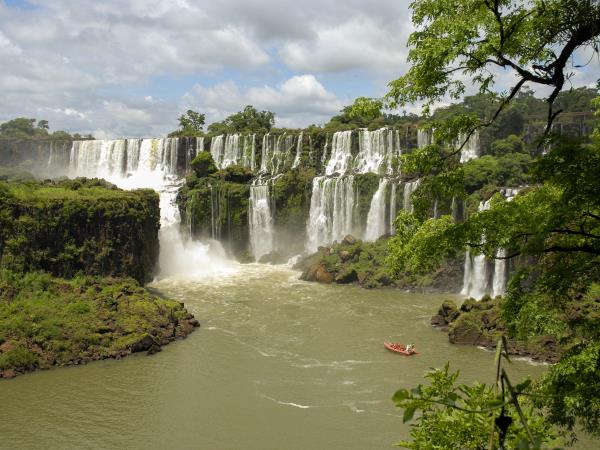
One of the most compelling reasons to travel is to experience the sheer power of nature, to be completely overwhelmed by it. When it comes to nature’s might, Iguazú Falls delivers in bucketloads – around 1,500 cubic metres per second, to be exact. There are in fact over 270 falls here, stretching out over 2.7km, and plunging twice the height of Niagara. As you approach, you’ll hear the roar long before you set sight on the falls. That roar, deep from within the Devil’s Throat is a warning; Iguazú Falls aren’t just there to be looked at – they’ll soak you to your core.
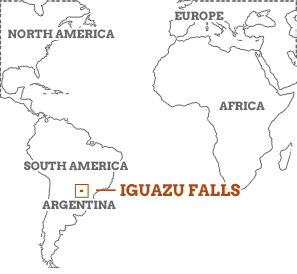

Iguacu means “Great Waters” in the native Tupi-Guarani language, and these falls – higher than Niagara, wider than Victoria – are definitely that.![]()

Iguazú is mesmerising in itself – take time to lose yourself in the rushing water which throws rainbows into the air. But as our Iguazú Falls travel guide explains, you should take time, too, to walk the nature trails through the surrounding national park, to discover the wildlife that lives beside the mighty waterfall, and to take a boat over the rapids and as close as you dare to the base of the Great Waters.

Things to do in Iguazú …

Buenos Aires to Rio via Iguazu Falls vacation
Fast paced adventure of Argentina and Brazil.
From
US $3352 to US $4930
7 days
ex flights

Argentina vacation, Buenos Aires to Iguazu Falls
Soak up the atmosphere in Argentina's sunny north
From
£2298
15 days
ex flights

Buenos Aires & Iguazu Falls vacation in Argentina
Adventures in Buenos Aires and the spectacular Iguazu Falls
From
US $1655 to US $2165
6 days
ex flights

Argentina and Brazil tour, tailor made
Enjoy the highlights of Buenos Aires, Iguazu Falls and Rio
From
US $2390 to US $3345
9 days
ex flights
Northern Argentina adventure vacation, tailor made
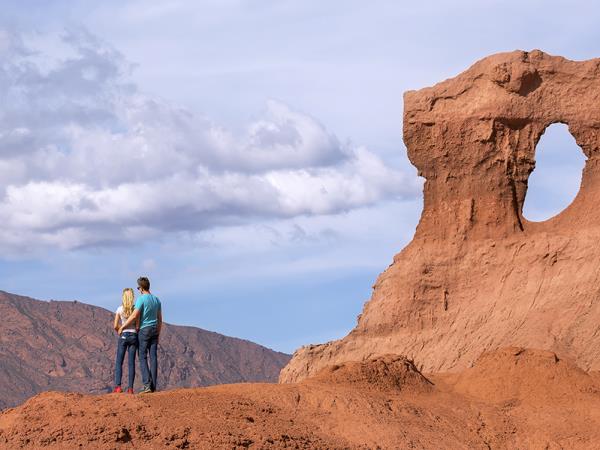
Explore the beautiful contrasting sceneries of Argentina
From
US $3385 to US $4390
12 days
ex flights


Contact Us

Call us for a chat about our vacations. We are happy to discuss your vacation and help in any way we can. No bots, queues or awful hold music.

1-866-821-6866
Call toll free
Calling from outside the USA


Things not to do in Iguazú...
More Iguazu Falls articles

Do you want wetter weather, and lots of water - or drier spells with easier access to the trails and islands?