Annapurna Sanctuary trek

When it comes to natural beauty Nepal is one of the richest countries in the world![]()

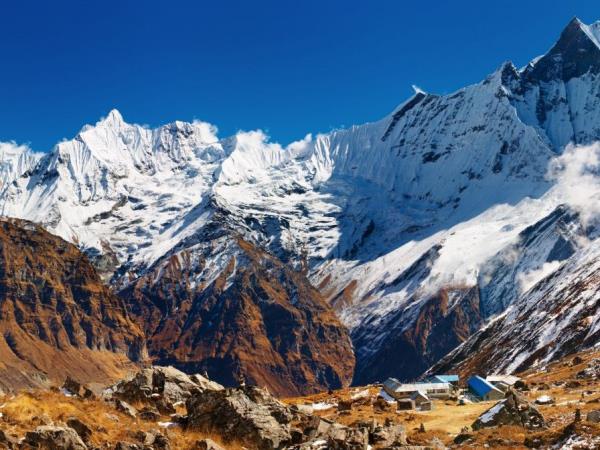
As you ascend into the glacial bowl in which the Annapurna Base Camp sits, the air gets thinner and breathing becomes harder. It feels as though someone has dropped a couple of rocks into your backpack, and early in the morning the Himalayan chill at this altitude seeps into your bones. These complaints are minor, though, because this approach is the culmination of days of effort; this last great push delivers you into a citadel of snow-draped peaks, some of the highest mountains on Earth – the Annapurna Sanctuary.
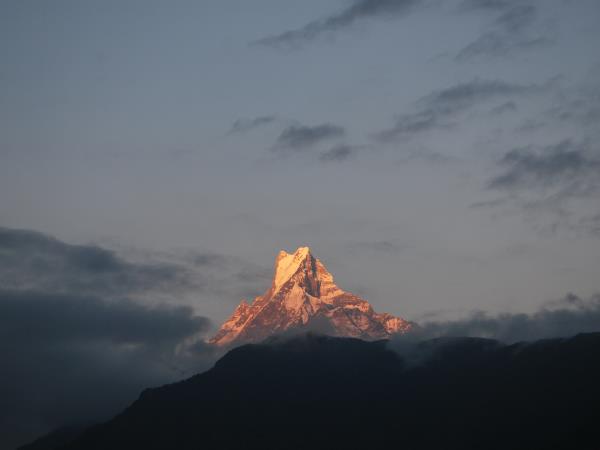
Ancient serpent gods are believed to inhabit this vast natural amphitheatre. The local Gurung people, from whose ranks many hardy Gurkha soldiers are chosen, consider it sacred and it is forbidden for anyone to climb the mountain known as Machapuchare because it is said to be the home of the Hindu god Shiva. You may not subscribe to any of these beliefs yourself, but as you gaze around at these giants: Annapurna South, Annapurna I, Dhaulagiri, Hiunchuli, the aforementioned Machapuchare and dozens of other towering peaks, it’s easy to understand why the gods might choose to seclude themselves away up here. This primordial landscape roughly hewn from granite has an otherworldly feel to it.
Our Annapurna Sanctuary treks can serve either as a shorter alternative, or an add-on, to the famous Annapurna Circuit. Depending on the route you take, it can involve anywhere from seven to 12 days of walking, after a breathtaking 20-minute flight from the Nepalese capital, Kathmandu, to the lakeside city of Pokhara.
Ngima Dorji Sherpa followed his father into the mountain guiding profession, starting as a porter and then working for a number of international mountaineering companies before setting up his own company, Nepal Myths and Mountain Trails, in 1996. Now, he organises some of our most adventurous trekking vacations in the Himalayas. “When it comes to natural beauty Nepal is one of the richest countries in the world. There are 14 mountains over 8,000m here and so many adventurous activities, treks and climbs within them like the Annapurna Sanctuary route. We have a client who has been coming back to us for 21 years now and always doing a different trek each time which shows you the variety. What I love about guiding is the opportunity to meet new people and show them our culture. And our guides are very experienced; many have summited Mount Everest for example.”
The Annapurna Sanctuary trek is one of the great Nepal adventures; packed with challenge and scintillating views, and very accessible to fit, regular walkers. Read on to learn how the route unfolds, and what’s involved.
Ancient serpent gods are believed to inhabit this vast natural amphitheatre. The local Gurung people, from whose ranks many hardy Gurkha soldiers are chosen, consider it sacred and it is forbidden for anyone to climb the mountain known as Machapuchare because it is said to be the home of the Hindu god Shiva. You may not subscribe to any of these beliefs yourself, but as you gaze around at these giants: Annapurna South, Annapurna I, Dhaulagiri, Hiunchuli, the aforementioned Machapuchare and dozens of other towering peaks, it’s easy to understand why the gods might choose to seclude themselves away up here. This primordial landscape roughly hewn from granite has an otherworldly feel to it.
Our Annapurna Sanctuary treks can serve either as a shorter alternative, or an add-on, to the famous Annapurna Circuit. Depending on the route you take, it can involve anywhere from seven to 12 days of walking, after a breathtaking 20-minute flight from the Nepalese capital, Kathmandu, to the lakeside city of Pokhara.
Ngima Dorji Sherpa followed his father into the mountain guiding profession, starting as a porter and then working for a number of international mountaineering companies before setting up his own company, Nepal Myths and Mountain Trails, in 1996. Now, he organises some of our most adventurous trekking vacations in the Himalayas. “When it comes to natural beauty Nepal is one of the richest countries in the world. There are 14 mountains over 8,000m here and so many adventurous activities, treks and climbs within them like the Annapurna Sanctuary route. We have a client who has been coming back to us for 21 years now and always doing a different trek each time which shows you the variety. What I love about guiding is the opportunity to meet new people and show them our culture. And our guides are very experienced; many have summited Mount Everest for example.”
The Annapurna Sanctuary trek is one of the great Nepal adventures; packed with challenge and scintillating views, and very accessible to fit, regular walkers. Read on to learn how the route unfolds, and what’s involved.

Annapurna Sanctuary small group
Annapurna Sanctuary trek, 9 days
From
US $1410 to US $2140
15 days
ex flights
Annapurna Sanctuary trekking vacations
One of the very best alpine treks to Annapurna Base Camp
From
US $2810 to US $3355
15 days
ex flights
Annapurna Base Camp trekking vacations
Most popular, legendary and classical trek in the world
From
US $1135 to US $1550
8 days
ex flights
Annapurna Base Camp guided trekking vacation
Classical lodge trek in the Nepal Himalayas
From
£1400 to £1700
15 days
ex flights
Annapurna Sanctuary trekking vacation
Inspiring Himalayan trek
From
US $1295 to US $1695
15 days
ex flights
Annapurna Sanctuary group trekking tour
Trek to the heart of the Annapurna range
From
£959
15 days
ex flights


Contact Us
Call us for a chat about our vacations. We are happy to discuss your vacation and help in any way we can. No bots, queues or awful hold music.

1-866-821-6866
Call toll free
Calling from outside the USA

1,2,3 – and off to the ABC
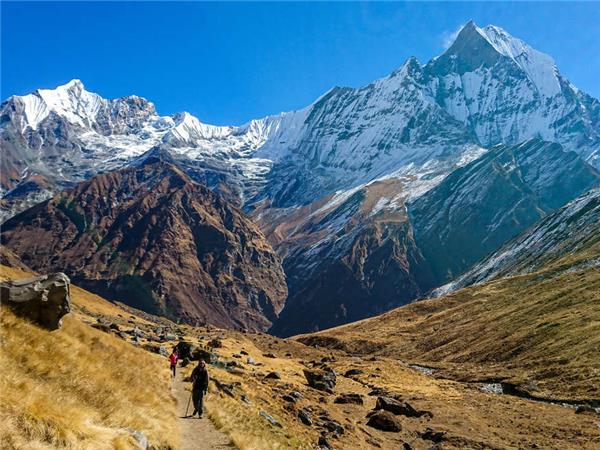
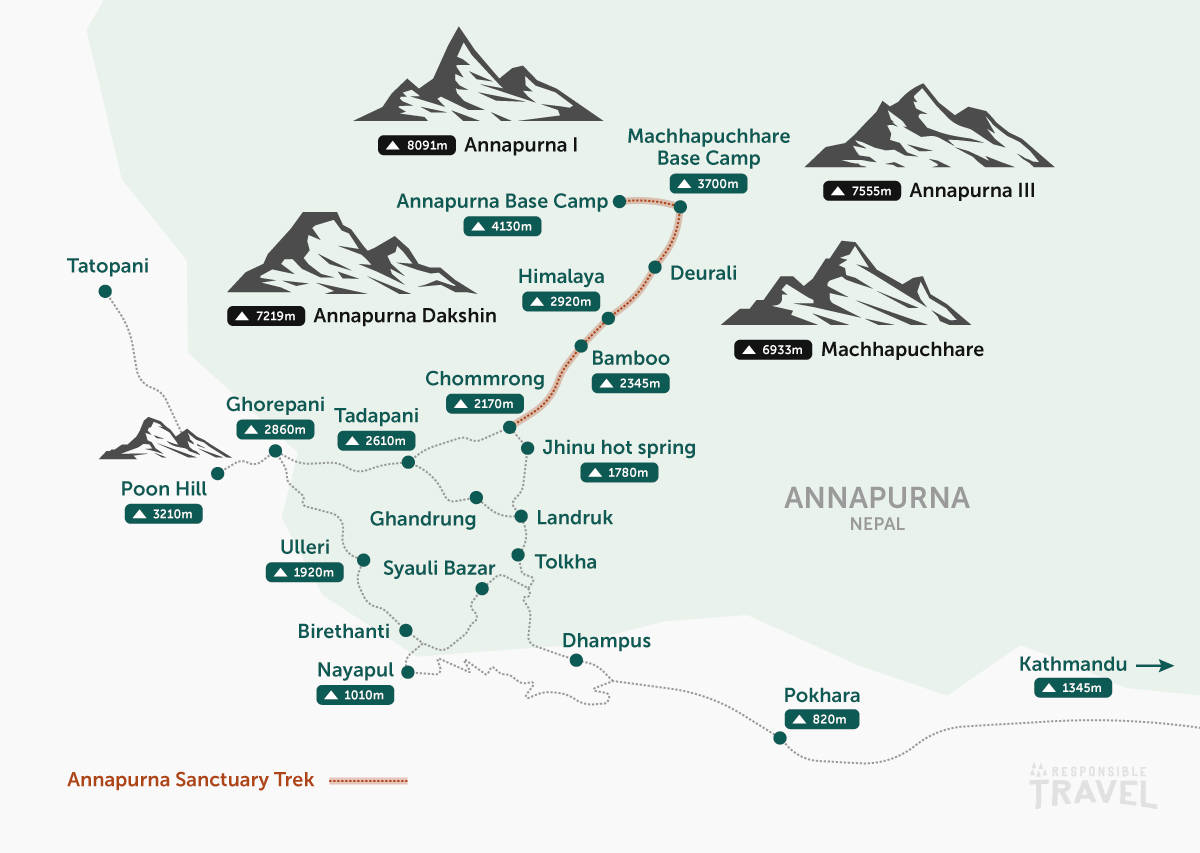
Trips typically get underway in Pokhara, gateway to the Annapurna Circuit. During the main trekking season: March to May, and October and November, the city streets are awash with trekkers, mountaineers and other adventurers either readying themselves to set off, or returning for a longed-for hot shower. This is where you can pick up any trekking gear you forgot to pack – hopefully just an extra pair of socks, not something important like your boots.The earlier days of the Annapurna Sanctuary trek are the most demanding, with some very steep sections on the approach to the village of Ghorepani as you tackle several thousand stone steps. In Ghorepani there is the option of a rest day, with an early morning hike to the summit of nearby Poon Hill for sunrise. The scale of these mountains can be hard to grasp, especially when they’re partially obscured by fog or thickets of bamboo, but every now and again you’ll get a view that makes you catch your breath, such as that from Poon Hill. On a clear morning you’ll get a panorama of several peaks including Mount Dhaulagiri, the highest mountain in this region, and the twin peaks of Machapuchare, which give the mountain its fishtail shape.
“Many of the mountains look black now as they lose their snow,” says Ngima, when I ask him what the obvious signs of climate change are in this region. There are plenty of other pressures too, here in Annapurna, home to the world’s largest rhododendron forest as well as the world’s highest altitude freshwater lake. The trekking industry puts great demands on fuel wood and clean water, and while our vacations dispose of all waste responsibly, not all walkers are conscientious. That’s why every trekker here must make a financial contribution to the Annapurna Conservation Area Project, which aims to protect the region’s natural environment and its cultural heritage.
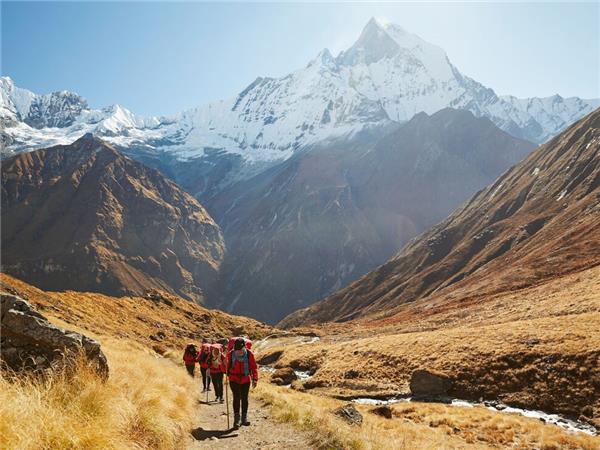
Leaving Ghorepani, you continue on, following troops of packhorses as they cross suspension bridges over glacial rivers foaming white, through terraced fields where the sound of crickets surrounds you, past isolated farmsteads and Gurung settlements with brightly coloured prayer flags fluttering in the breeze. There’s a steady stream of trekkers, porters, and herds of buffalo, yaks, and goats, so that you need to share the path, or sometimes step off it entirely.
As the trail climbs upwards, sometimes on paved paths, with deep river valleys far below, you can pause at teahouses for a drink and a rest. If you’re walking as part of a group, these are good opportunities to reconvene.
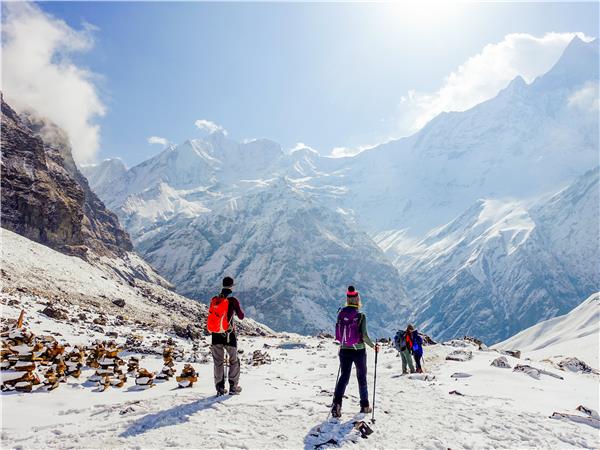
The Gurung village of Chomrong is a popular overnight stop. After this, you’ll continue to the flat plain where the Machapuchare Base Camp is set. Then it’s one final effort to reach the sanctuary and the base camp within it. By this point there is little to no vegetation around – just snow, rocks and larger boulders, as the path gradually widens into an oval-shaped plateau fringed with immense mountain peaks. The Annapurna Sanctuary, in all its glory. Soak it up, the scenery, and your incredible achievement, before heading back to spend the night 1,000m lower. On your descent to Pokhara you can stop at Jhinu Danda to soak exhausted muscles in the hot springs.
Annapurna Sanctuary trek map
What does the Annapurna Sanctuary trek involve?
Small group or tailor made?
Our small group trekking tours follow a set route and have fixed dates. They’ll be accompanied by a team of porters who will be paid fairly, and carrying manageable loads to prevent injury or exhaustion. If you would prefer a greater degree of flexibility then we also have tailor made treks available. With this option you can choose your own Annapurna Sanctuary itinerary, perhaps adding a rest day in at points if preferred, and you can travel whenever you like. You would still have an English-speaking guide with you throughout, as well as a porter to assist.How fit do I need to be for the Annapurna Sanctuary trek?
You will need to be at a good level of fitness to take on the Annapurna Sanctuary trek. The elevation tops out at just over 4,000m, so altitude sickness isn’t too much of a risk, but there are many steep ups and downs, and the terrain is varied, at points quite rough, so you will want quality waterproof boots with ankle support. A set of walking poles is recommended, as is a head torch.
Perhaps the hardest day is towards the start, as you climb several thousand stone steps from Tikhedhunga to the Magar village of Ulleri. Even the hardiest of trekkers will need to take a few breathers. There are a LOT of ups and downs on this walk, and your legs will feel it.
Perhaps the hardest day is towards the start, as you climb several thousand stone steps from Tikhedhunga to the Magar village of Ulleri. Even the hardiest of trekkers will need to take a few breathers. There are a LOT of ups and downs on this walk, and your legs will feel it.
Best time for the Annapurna Sanctuary trek?
You can trek to the Annapurna Sanctuary at any time of year, but September to November, after the monsoon, tends to be the most popular time.
Winter (December to February) gets perishingly cold at night. “Spring is my favorite time,” recommends Ngima: “the clear blue skies let you see the mountains perfectly, and there are rhododendrons and magnolias in bloom. It’s beautiful. It’s best to plan early because it does get busy during peak trekking season, so we need to book accommodation in advance.”
Layered, wicking clothing is vital to cope with the weather on the Annapurna Sanctuary trek. You can be sweaty with exertion in the morning, then chilly in the afternoon as you reach a higher, more exposed section.
Winter (December to February) gets perishingly cold at night. “Spring is my favorite time,” recommends Ngima: “the clear blue skies let you see the mountains perfectly, and there are rhododendrons and magnolias in bloom. It’s beautiful. It’s best to plan early because it does get busy during peak trekking season, so we need to book accommodation in advance.”
Layered, wicking clothing is vital to cope with the weather on the Annapurna Sanctuary trek. You can be sweaty with exertion in the morning, then chilly in the afternoon as you reach a higher, more exposed section.
Where do you stay on the Annapurna Sanctuary trek?
Trekking the Annapurna Sanctuary involves staying in teahouses – small, locally run hotels – all the way up and down. You’ll be sharing a room, sometimes with your whole group if it’s busy. Single rooms are as rare as heating; you might get a hot shower if you get up early enough, but don’t count on it. Pack cash: snacks and the (essential) loo roll can be purchased all the way up, getting progressively more expensive the higher you go – understandably, as they’ve had to be carried up by porters.
“When Sir Edmund Hillary and Tenzing Norgay summited Mount Everest in 1953 it brought trekking in Nepal to global attention,” says Ngima. “But the few companies offering it back then were very basic – there were no phones or faxes, all communication with clients was by post. And trekkers would camp, with everything carried in by porters. But now there are teahouses everywhere and they are really popular as they offer trekkers clean rooms and decent food. Clients can go to the kitchens and learn about Nepalese cooking, talk to local people in the villages, and get more of an idea of Gurung culture than they would when camping.”
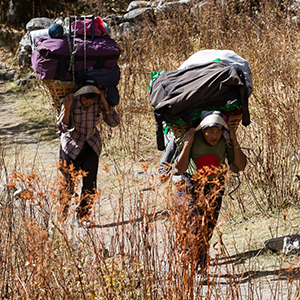
Local communities in the Annapurna region benefit significantly from responsible trekking vacations here, providing meals, accommodation, guides and porters. Meals are quite basic, but filling, and they do tend to be quite samey. But then, after a day of pushing yourself up this trail even a simple plate of rice, vegetables and curry will taste like haute cuisine.
“When Sir Edmund Hillary and Tenzing Norgay summited Mount Everest in 1953 it brought trekking in Nepal to global attention,” says Ngima. “But the few companies offering it back then were very basic – there were no phones or faxes, all communication with clients was by post. And trekkers would camp, with everything carried in by porters. But now there are teahouses everywhere and they are really popular as they offer trekkers clean rooms and decent food. Clients can go to the kitchens and learn about Nepalese cooking, talk to local people in the villages, and get more of an idea of Gurung culture than they would when camping.”
Local communities in the Annapurna region benefit significantly from responsible trekking vacations here, providing meals, accommodation, guides and porters. Meals are quite basic, but filling, and they do tend to be quite samey. But then, after a day of pushing yourself up this trail even a simple plate of rice, vegetables and curry will taste like haute cuisine.
More Nepal trekking articles
Find out the best time to go trekking with our handy guide to the Annapurna, Langtang and Everest regions.
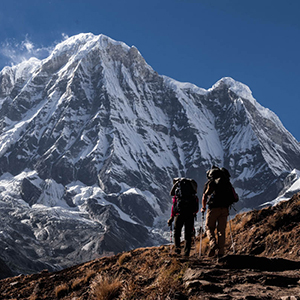
Discover whether a walk in the Himalayas is for you with our guide to the ups and downs.
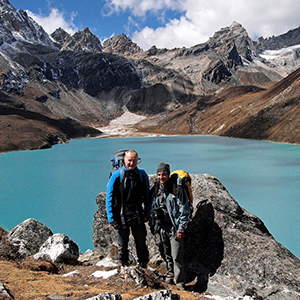
Our straightforward interactive map allows you to discover some of the best trekking itineraries in the country.
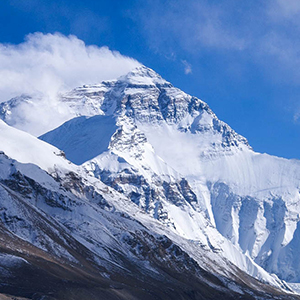
The trek to Everest Base Camp, at a dizzying 5,364m, is varied, exciting and rich in history, and it demands stamina.
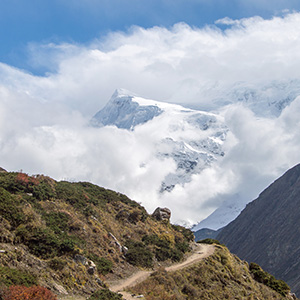
The longest of Nepal’s popular trekking routes, and its most varied, the Annapurna Circuit takes almost three weeks.
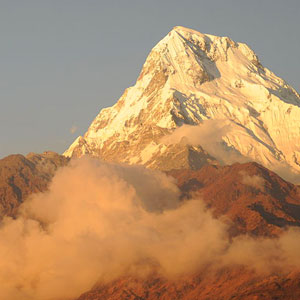
Nepal’s mini Annapurna circuit trek is the perfect introduction to Himalayan trekking.
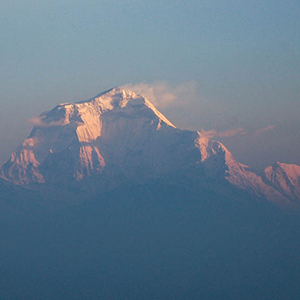
Nepal’s Annapurna region will blow your mind, it's a vast, high and majestic range.
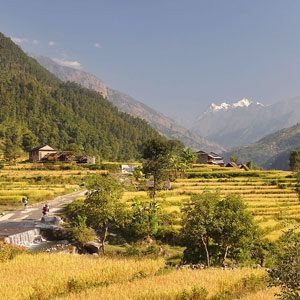
The Manaslu Circuit trek takes you in a loop around the world's eighth highest mountain.
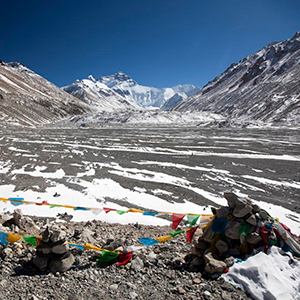
Our top 10 walks in Nepal feature Everest Base Camp alongside some surprising low altitude treks.
Yes, you can trek in Nepal with kids in tow. The Poon Hill Trek and the Royal Trek are great.
Essential reading: advice from our friends in Nepal, and lots of tips and tricks.
Our responsible trekking in Nepal page lightens your load as you find to do to help.