History & heritage in Tobago
Tobago’s history has a huge cast of players – from the English, Dutch, French and Latvians who spent centuries squabbling over this lush island, to the indigenous Caribs and the Africans banished here to work the plantations. The forts and canons dotted along the coast betray the battles of the past, while the Heritage Festival celebrates the influence this chequered past has had on Tobago’s modern culture.

Tobago Heritage Festival
The Tobago Heritage Festival in July and August parades its ways around the island – with each village showcasing its own cultural highlight. Events range from the Ole Time Wedding at Moriah, where a procession of hundreds of “wedding guests” does the characteristic brushback dance along the hillside roads to the wedding reception – all dressed in traditional costumes. Those interested in Tobago’s African heritage should join Charlotteville’s Cultural Treasures day. Wild, live percussion – including the thumping tamboo-bamboo – is the rootsy soundtrack to the massive procession that winds around the village, stopping for demonstrations of traditional practices. Other events around the island include conch blowing, a sea festival, the “cocoa dance”, old fashioned games and storytelling.
The mystery tombstone
The inscription on 23-year-old Betty Stivens tomb in Plymouth has intrigued Tobagonians for over two centuries. The baffling epithet reads:

She was a Mother without knowing it, and a Wife without letting her husband know it, except by her kind indulgences to him.![]()

All kinds of theories abound for the meaning behind this strange riddle, and there’s no better way to strike up conversation that to ask someone what they think it means. It’s worth going to see, to hear more about the background of Mrs Stivens and her husband, Alex – and imagine some new stories of your own.
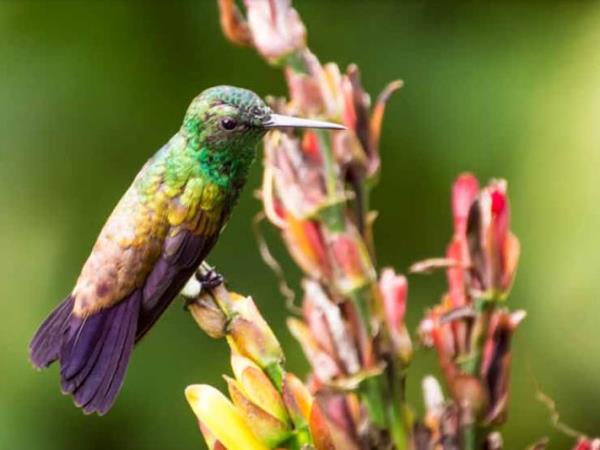
Trinidad & Tobago nature vacation
The best of Trinidad & Tobago's widlife and natural scenery
From
£4485
15 days
ex flights
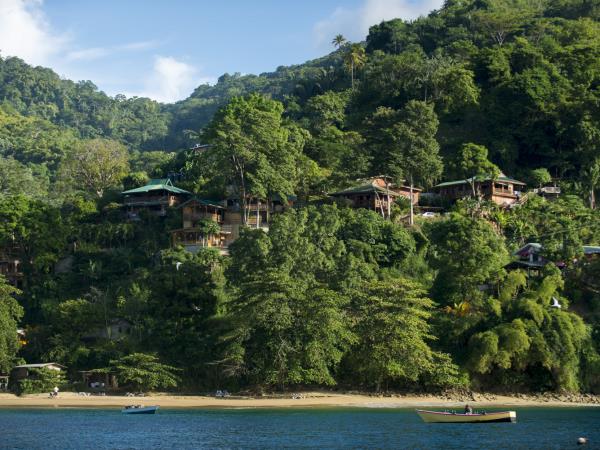
Tobago beach accommodation
17 beautiful accommodations in unique eco resort
From
£154 to £463
per accommodation per night
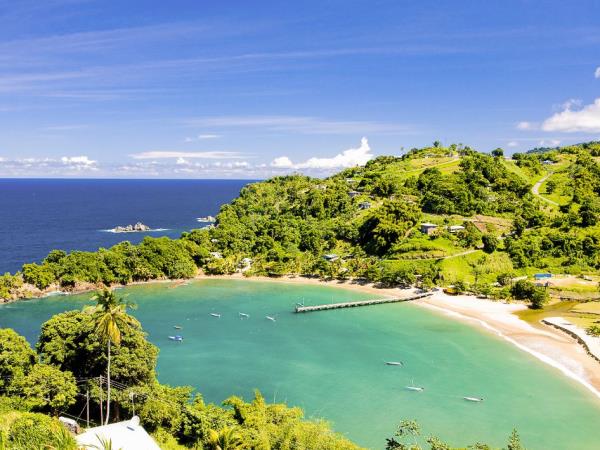
Trinidad & Tobago vacation, tailor made
Exploring and R&R on Tobago around touring on Trinidad
From
£3440
15 days
ex flights




Contact Us

Call us for a chat about our vacations. We are happy to discuss your vacation and help in any way we can. No bots, queues or awful hold music.

1-866-821-6866
Call toll free
Calling from outside the USA


Forts
Numerous forts and their remains cling to Tobago’s most strategic cliff tops. One of the best preserved is British-built Fort King George near Scarborough, dating back to 1777. There are several buildings to explore here, including the Officer’s Mess and the Belltower, as well as ominous canons pointing seaward. The Barrack House is now the Tobago Museum, housing exhibits from Tobago’s Amerindian history as well as its more recent colonial past – it’s an educational and alternative look at this vacation island.
Fort James, in Plymouth, was a Latvian stronghold – hence its position overlooking Courland (Latvian) Bay. Several canons and a rather overgrown structure are all that remains today of the island’s oldest fort – many visitors come for the views and tranquility. Near Black Rock, a small shelter marks the former site of Fort Bennett, of which just two canons remain. This is another scenic picnic spot. History buffs may want to visit several other sites, including Milford Fort, in Crown Point, and Plymouth’s Courland Monument, a modern tribute built by Latvians on the site of the island’s first European settlement.
Fort James, in Plymouth, was a Latvian stronghold – hence its position overlooking Courland (Latvian) Bay. Several canons and a rather overgrown structure are all that remains today of the island’s oldest fort – many visitors come for the views and tranquility. Near Black Rock, a small shelter marks the former site of Fort Bennett, of which just two canons remain. This is another scenic picnic spot. History buffs may want to visit several other sites, including Milford Fort, in Crown Point, and Plymouth’s Courland Monument, a modern tribute built by Latvians on the site of the island’s first European settlement.
Chapels
Two of Tobago’s most unusual pieces of architecture can be found in Spring Garden and Black Rock. Here are two Moravian churches dating back to the mid-1800s. Remarkably, these wooden structures on limestone “stilts” survived 1963’s Hurricane Flora, and have important social and religious significance in their respective communities.

Responsible Travel would like to thank Visit Tobago for their sponsorship of this guide.
More Tobago articles
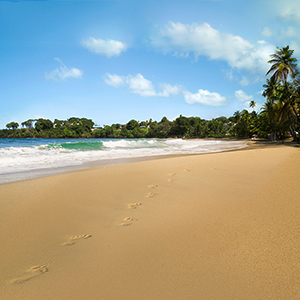
January to March are often considered the best times to visit Tobago - they are drier and slightly cooler than the summer months.
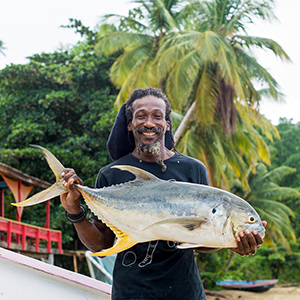
As our Tobago travel guide reveals, this is the Caribbean as it once was, with a focus on nature, culture and relaxation, and a model for the future.
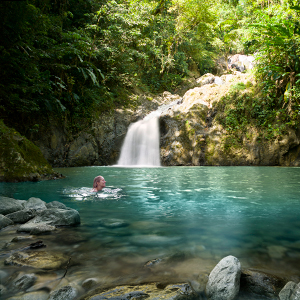
Our interactive map shows you where to go in Tobago - though as the island is so compact, you won't have to make too many tough choices.
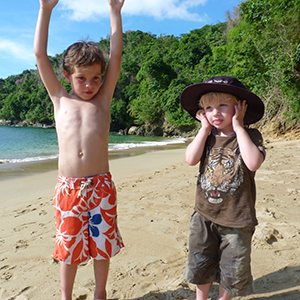
Traveling in Tobago with kids is an absolute delight, with friendly guesthouses and a wide range of fun family-friendly activities.
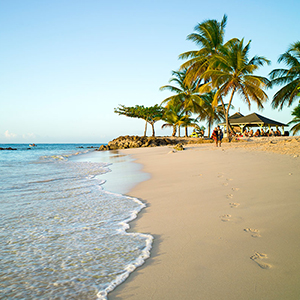
Tobago's coastline may not be huge, but traveling along it is like working your way through an encyclopaedia of beaches.
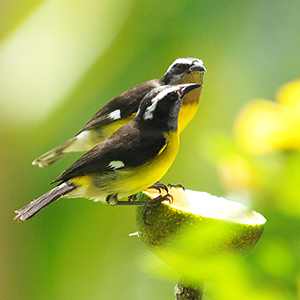
Bird watching in Trinidad & Tobago is a treat with superb guides taking you to the rainforests & offshore islands to find upwards some 220 species.
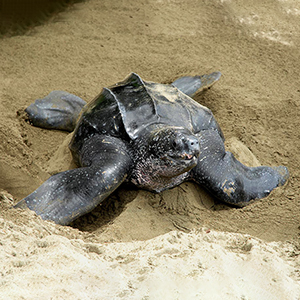
As you would expect form an island that has protected its forest since 1776, nature and wildlife in Tobago is highly treasured.
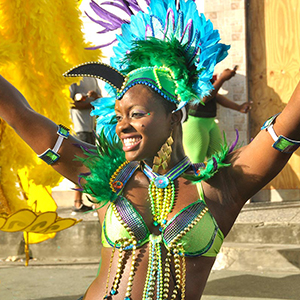
Culture and music in Tobago takes center stage - think calypso, steelpan and limbo - or limin' - simply chilling out.
The coastline may be gorgeous, but read on to discover that the true heart of this island lies well beyond Tobago's beaches.
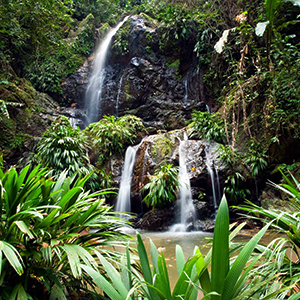
Our Tobago Top Ten is a roundup of our favorite things to see and do on the island - though it was difficult to narrow it down to just ten!

Watersports in Tobago can be as active or relaxing as you wish, whether on a glass bottomed boat or getting closer to marine life by scuba diving.
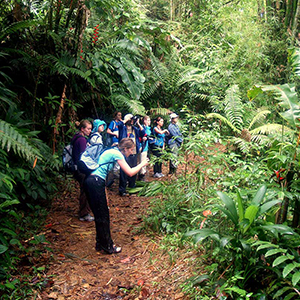
Tobago may be in the Caribbean but there is much to do beyond the beaches, from walking trails to mountain biking and yoga retreats.
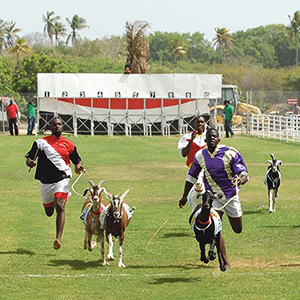
There's a good chance your vacation will coincide with one of the many festivals and events in Tobago.

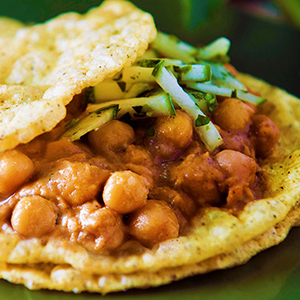
The food in Tobago is a mouthwatering medley of Caribbean, Latin American and African ingredients and recipes.
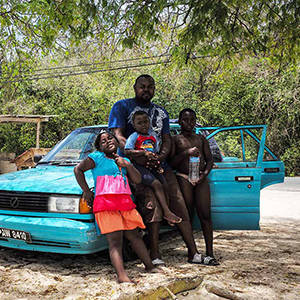
Clean, green and serene, Tobago benefits from respectful tourism - conservation and social projects in Tobago help keep paradise, paradise.
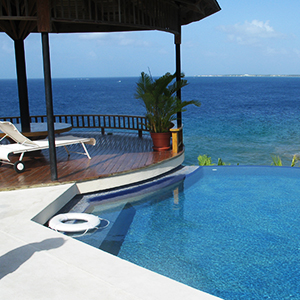
Our guide to Tobago accommodation reveals a world detached from the traditional Caribbean concept of gated off luxury and all inclusive resorts.
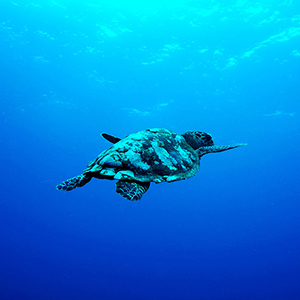
We visited Tobago to meet hotel and guesthouse owners, and sea turtle conservationists to ask them for their top Tobago travel advice.

What is the best way to travel to Tobago? It all depends on where you’re coming from. We explain more in our guide.
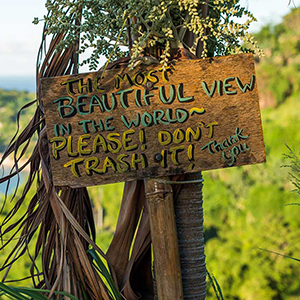
The Tobago Tourism Board share their thoughts on responsible tourism in Tobago and how it creates a unique experience for travelers.