Indigenous tourism travel guide
Hiking the mighty Atlas Mountains with Amazigh guides. Sharing a campfire barbecue at an Arctic Sámi camp. Hopping between Karen villages aboard a tangerine tuk tuk. Our guide to Indigenous tourism celebrates the vacations that shine a spotlight on some of the world’s oldest societies. These are trips that ditch stereotypes and celebrate diversity. They’re trips that unpick colonial itineraries and reweave them with Indigenous voices included.

The community feel a part of it and they feel the benefits from it. In addition, we’re still keeping our culture and our livelihoods and our lifestyle.![]()

– Steve Rokoi Olkumum, Maasai guide at our partner Saruni Basecamp
As well as being great adventures, our Indigenous Peoples vacations ensure that there is a clear benefit to your hosts – and that the community has the power to shape the direction they’d like tourism to take. The result is an array of marvellous experiences, from half-day batik printing workshops to week-long stays at Amazon ecolodges. Meanwhile, you’ll get the joy of meaningfully sharing in local culture on an equal footing, instead of consuming it White Lotus style. Read our Indigenous tourism travel guide to find out more.

Types of Indigenous tourism
Walking & trekking
Some of our top walking vacations are steered by Indigenous guides – Amazigh/Berber mountain experts in the Atlas Mountains, Hmong guides between the villages and rice terraces of Vietnam, Bedouin residents in the red canyons of Wadi Rum. We offer both day hikes and multi-day treks, as well as options for most fitness levels.
Arts & crafts
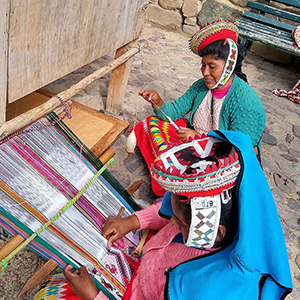
Some places, such as Western Canada, have an Indigenous art scene that can easily be explored on our self drive vacations, because there are First Nation art galleries everywhere. Other trips offer a deeper dive, inviting you to join workshops with Indigenous artists. We can sign you up for printing classes in Gujarat and take you to meet dhokra wax casting artists in Bastar. In the Andes, Quechua-led weaving workshops are a highlight; in Morocco, it’s the co-operatives that reveal how Berber rugs go from sketches of ancestral patterns to fully formed furnishings hanging in the markets of Marrakech.
Community-based
Many of our Indigenous Peoples vacations are community-based – and they’re as diverse as the communities themselves, ranging from homestays and ecolodges to village-to village hikes and wildlife safaris. Shaped by the community’s wishes and requirements, our community-based vacations avoid disrupting everyday life – which in turn makes your welcome all the warmer.
If you’re able to stay for a few days or more, do grab the chance. An extended stay in the Amazon, for instance, gives you the privilege of experiencing this vital part of the world from Indigenous perspectives – and go home with a renewed passion to preserve it. Read our community-based tourism guide for more information and inspiration.
If you’re able to stay for a few days or more, do grab the chance. An extended stay in the Amazon, for instance, gives you the privilege of experiencing this vital part of the world from Indigenous perspectives – and go home with a renewed passion to preserve it. Read our community-based tourism guide for more information and inspiration.
Wildlife watching & safaris
Many national parks and wildlife reserves have a history of evicting Indigenous people in the name of wildlife conservation. We’re not fans of this ‘fortress conservation’. Instead, our Indigenous Peoples vacations focus on the power of community-led conservation. We have safari camps and conservancies that work in partnership with Maasai landlords and community-run projects in Costa Rica that are informed by generations of ancestral knowledge. Many of the best wildlife guides encourage you to widen your gaze to the whole ecosystem, of which we’re a part, adding cultural context – from sacred origin stories to tales of protests against commercial logging.
Food & cooking
Our Indigenous Peoples vacations give you the chance to try delicacies such as salmon smoked on cedar planks, crispy-soft Berber pizza baked over a campfire, and ice cream drizzled with cloudberry jam. Farm tours offer great insights into the A to Z of traditional small scale food production too, from Sámi reindeer farms in Arctic Sweden to cocoa farms in Peru. The only foodstuffs we don’t recommend eating are the endangered ones. You might visit Inuit communities who hunt whales to live; served up in a tourist meal, though, it’s best avoided.
Small ship cruises
Our small ship cruises are often the best – and sometimes only – way to reach remote communities without road or rail access. Our cruises reach for the Arctic, along the west and north coast of North America, stopping at First Nation, Alaska Native and Inuit towns. Some voyage the whole length of the Northwest Passage; others stick to one place, like Greenland, heading to lesser-visited fjords for Indigenous-led wild camping and hiking.
Tips for Indigenous Peoples vacations

Nangma and Thallay La trek in Pakistan
Off the beaten track to Nangma and Thallay La
From
US $2600
15 days
ex flights
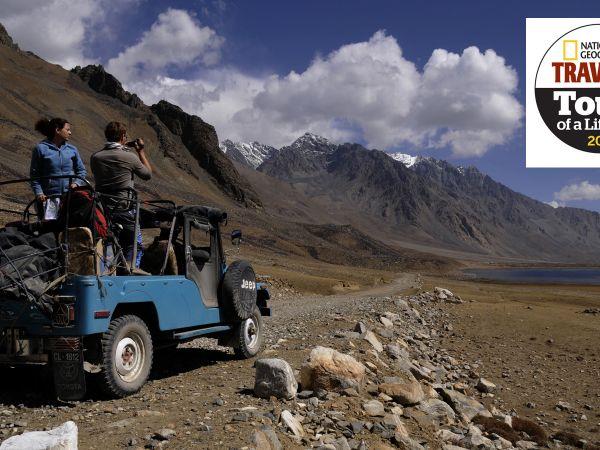
Hindu Kush tour in Pakistan
Experience the incredible scenery & culture of the HinduKush
From
US $4761 to US $5223
15 days
ex flights
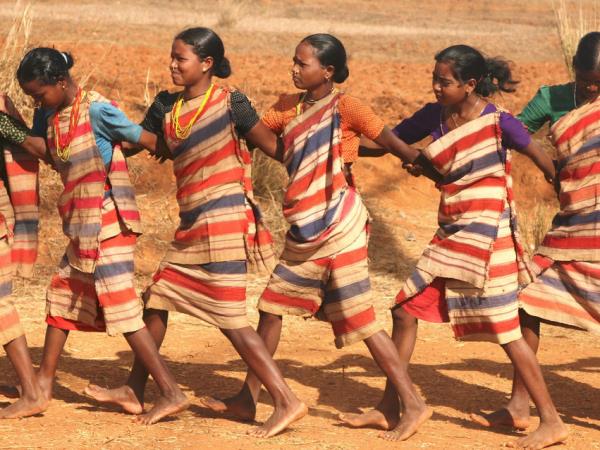
Orissa and Chhattisgarh tours in India
Distinct tribal cultures, temples & traditional textiles
From
US $3775
14 days
ex flights
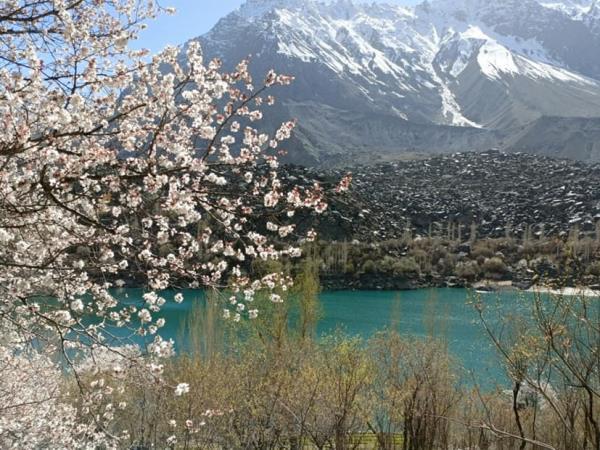
Hunza and Skardu cultural tour, Pakistan
Experience the rich cultural heritage of Karakoram valleys
From
US $3000
14 days
ex flights
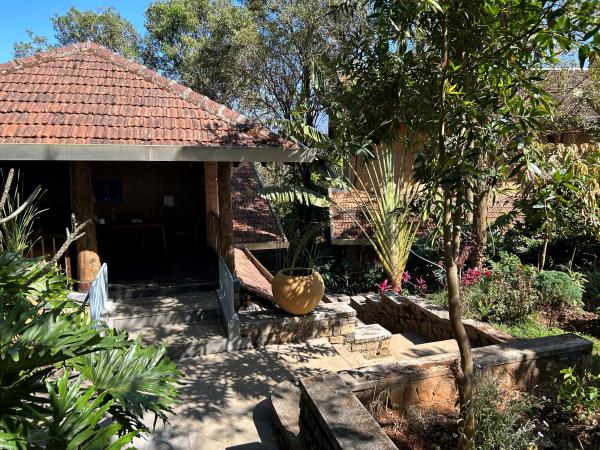
South India community volunteering vacation
Engage with and support forest-dwelling tribal communities
From
£1590 to £2353
14 days
ex flights
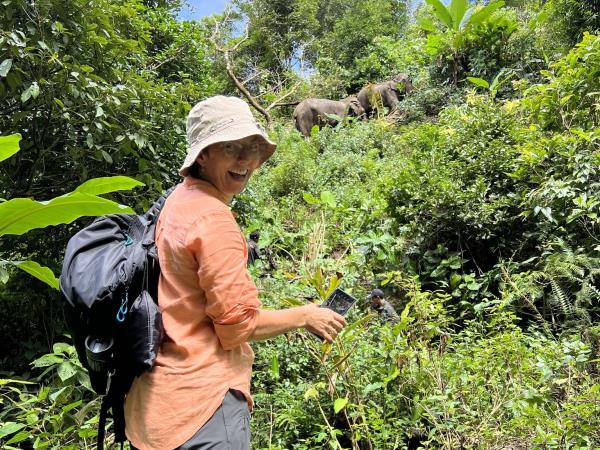
Thailand volunteering and elephant conservation vacation
Assist the Karen community & ongoing conservation efforts
From
£490
6 days
ex flights


Contact Us
Call us for a chat about our vacations. We are happy to discuss your vacation and help in any way we can. No bots, queues or awful hold music.

1-866-821-6866
Call toll free
Calling from outside the USA


Why go on an Indigenous Peoples vacation?
Keeping power in the hands of Indigenous people
Here at Responsible Travel, we’re big believers that travel experiences should be directed by local people. We want equality instead of exploitation, which means tourism that keeps decision-making in local communities. Indigenous communities should be able to decide what they’d like to share with tourists, whether that’s a live music performance or a whole ecolodge.
That means a better experience for you too. Your travels will gain brilliant depth, told in the words of Indigenous people instead of through the lens of an outsider. It’s a real privilege to be invited to spend time amongst resilient cultures that, despite the many threats, are still surviving – often, thriving.
There’s a growing interest, too, with Indigenous tourism getting increasing recognition and appreciation. By joining one of our trips, you can help make sure it continues to be steered by Indigenous people.
That means a better experience for you too. Your travels will gain brilliant depth, told in the words of Indigenous people instead of through the lens of an outsider. It’s a real privilege to be invited to spend time amongst resilient cultures that, despite the many threats, are still surviving – often, thriving.
There’s a growing interest, too, with Indigenous tourism getting increasing recognition and appreciation. By joining one of our trips, you can help make sure it continues to be steered by Indigenous people.
Signs of the times
There’s much to inspire hope, but protecting progress also requires constant work.
After Trump’s second election, signs popped up all over national parks in the USA. An executive order called “Restoring Truth and Sanity to American History” asked that visitors report information boards “that are negative about either past or living Americans or that fail to emphasize the beauty, grandeur, and abundance of landscapes and other natural features”. Those who have been working hard to highlight hidden histories in national parks might suggest another name for the executive order. “Deleting Truth and Whitewashing American History”, perhaps.
This isn’t the first time Indigenous history has been in danger of being suppressed from sites popular with tourists. Indigenous people have often drawn the short straw when it comes to tourism. Or, rather, had a fistful of short straws thrust at them – turfed off homelands, millennia-old history overlooked in favour of romanticised colonial stories, sacred sites trampled, and artisan crafts copied and mass-produced for souvenirs. These are all things our vacations strive to avoid. Our best vacations work with Indigenous people in protecting and restoring their culture and homelands – from city kitchens to Amazon jungle.
It’s chilling, but it’s also a timely reminder to listen to Indigenous voices when traveling. Governments might not always support Indigenous Peoples; many will actively hinder them. But as tourists, we have the freedom to choose to support Indigenous businesses, and help keep their stories in the spotlight.
After Trump’s second election, signs popped up all over national parks in the USA. An executive order called “Restoring Truth and Sanity to American History” asked that visitors report information boards “that are negative about either past or living Americans or that fail to emphasize the beauty, grandeur, and abundance of landscapes and other natural features”. Those who have been working hard to highlight hidden histories in national parks might suggest another name for the executive order. “Deleting Truth and Whitewashing American History”, perhaps.
This isn’t the first time Indigenous history has been in danger of being suppressed from sites popular with tourists. Indigenous people have often drawn the short straw when it comes to tourism. Or, rather, had a fistful of short straws thrust at them – turfed off homelands, millennia-old history overlooked in favour of romanticised colonial stories, sacred sites trampled, and artisan crafts copied and mass-produced for souvenirs. These are all things our vacations strive to avoid. Our best vacations work with Indigenous people in protecting and restoring their culture and homelands – from city kitchens to Amazon jungle.
It’s chilling, but it’s also a timely reminder to listen to Indigenous voices when traveling. Governments might not always support Indigenous Peoples; many will actively hinder them. But as tourists, we have the freedom to choose to support Indigenous businesses, and help keep their stories in the spotlight.
More Indigenous Peoples articles
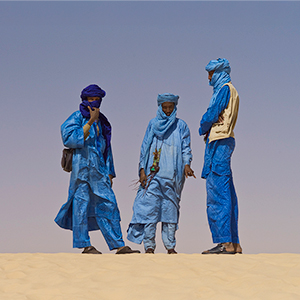
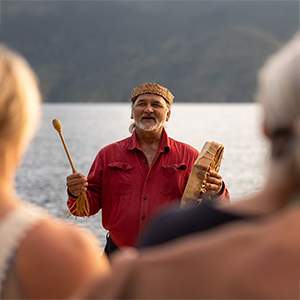
They’re about reciprocity, collaboration and respectful communication.