Top places for Indigenous travel experiences
We’ve lined up some of our favorite places for Indigenous travel experiences. These are destinations where Indigenous people welcome visitors with an array of adventures, from desert hiking and wilderness lodges to art galleries and parliament tours. Our partners work closely with Indigenous communities, so you can be sure that your presence is a boon rather than a bother.

Arctic Norway, Sweden & Finland / Sápmi
- Reindeer farm visits and campfire cooking
- Sámi-owned lavvu camps
- Snowshoeing, wildlife tracking and skiing
- Siida and Ájtte Museum, and Sámi Parliament
Camping is another option, with Sámi-run lavvu camps welcoming guests to ancestral herding lands. Over a few days, you can learn how to navigate the wilderness the traditional way – using snowshoes and cross country skis. Wildlife tracks are easier to spot in the snow too; local guides will take you out to track huge antlered moose.
Many of our vacations make Jokkmokk their base – a town in the far north of Sweden that’s long been a Sámi meeting place. You’ll have time to swing by the Ájtte Museum, where exhibits showcase nomadic culture. The restaurant is a good place to feast on Sámi food or, in summer, wander between the microscopic flowers of the Arctic garden. There are Sámi-run shops in town too – excellent picks for Indigenous-designed souvenirs such as cosy shawls and reindeer-shaped cookie cutters.
Meanwhile, in Finnish Sápmi, we can take you to the Sámi Museum Siida, which scored the award for European Museum of the Year. It has a mix of permanent exhibitions, an open-air museum, and a rotating roster of photographers and poets. Most exciting, however, might be our trips to Sámi Parliament. Both the Sámi Cultural Centre Sajos in Finland and the Sámi Parliament of Norway in Karasjok offer guided tours. It’s a brilliant chance to explore the wins and woes the Sámi have faced in the fight to get rights and recognition from the government of the day.
Okavango Delta, Botswana
- Tsodilo Hills/Lefelo la Tsodilo in the Kalihari
- Safaris in Moremi Game Reserve
- Bush walks with the Bushmen/San
- Nhabe Museum in Maun
Conservation, colonialism and tourism have been used as excuses to evict Indigenous people in Botswana – but Moremi Game Reserve proves there’s a better way. It was founded in the 1963 by the Batawana people on their ancestral hunting lands – the first reserve in Africa created by residents. These days, its reputation for wildlife viewing and small, luxurious lodges precedes it, and it appears in many of our safaris in the Okavango Delta. Neighbouring Khwai Community Concession is another locally run reserve, with tourism steered by the Bugakhwe and Bayei villagers of Khwai. It’s a popular spot, so consider visiting out of season (November-March); there might be fewer lions but there’ll also be fewer jeeps jostling for a peep. Alternatively, duck the trucks and explore on foot with Bushmen/San wilderness experts who’ll share bush skills.
Maun is the gateway to most of our vacations in the Okavango Delta – a place that’s gone from a Yei village, to the capital of the Batawana, to a town that juggles farmers, tourists and a growing mining industry. While you’re there, it’s well worth popping by the Nhabe Museum, a community-run place that lays out the region’s storied history. Exhibits range from Bayei fishing nets to poetry and photography. The Bailey Arts Centre is the place for Indigenous-made souvenirs, including pottery and screenprints.
Wadi Rum, Jordan
- Petra and Wadi Rum
- Desert camps, homestays and wilderness lodges
- The Bedouin Trail
- Women’s co-operatives and female guides
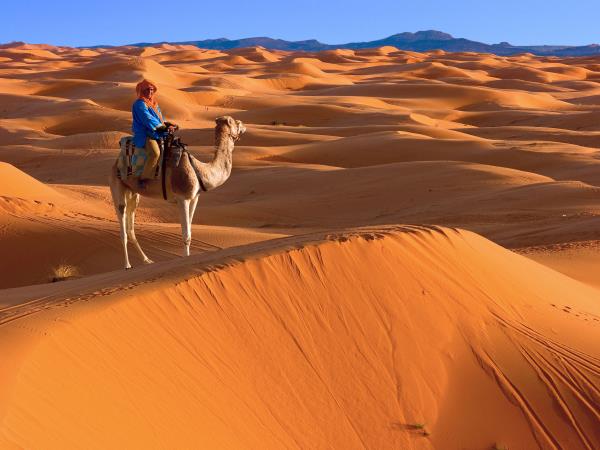
We recommend casting your gaze beyond Petra’s archaeological treasures too. Most of our vacations add at least a night in a desert camp owned and operated by Bedouins, such as those from the Al Zalabieh tribe, who have lived in Wadi Rum for generations. They’ll take you out on a desert tour by jeep, camel or on foot, all while regaling you with tales of desert life. The day usually ends with a zarb dinner – marinaded meat and vegetables slow-cooked in a traditional underground oven. Be warned, though: between the storytelling and the out-of-this-world stargazing, you’ll find it hard to drag yourself to bed.
Fancy spending more time in Wadi Rum? Consider hiking a section of the Bedouin Trail. The long-distance walking route was created by a co-operative of Bedouins, and gives you the chance to walk with guides who have spent their lives amongst the canyons and caves. They also know all the best camping spots – and how to get there safely by sunset.
There are other Indigenous-led accommodation options. Our cultural tours offer the chance to stay in a homestay in Orjan, where green orchards are a change from Mars-red deserts that dominate many tours to Jordan. We also recommend staying in a wildlife lodge in the Dana Biosphere Reserve, where you’ll get to share in local specialities such as maqluba upside-down rice and verses of epic Bedouin poetry.
The Arctic, North America
- Northwest Passage expeditions
- Town tours with Inuit guides
- Fjord camping, hiking and wildlife watching
- Alaska Native Heritage Centre
Expedition cruise itineraries are notoriously changeable, thanks to the weather and tides. Our Arctic cruises add one more check: the welcome. Unlike the Arctic explorers of old, our cruises go where they’re invited. The captain might phone ahead to see if villagers would like a small cruise ship docking that day, or it might mean visiting places engaged with the Oxen Network – an Inuit-led not-for-profit on a mission to weave local voices throughout Arctic expeditions. Either way, it means your welcome will be as warm as a pair of muskox mitts – and the best guides in town will be on hand to take you on a tour.
Excursions include the old town of Cambridge Bay/Iqaluktuuttiaq. Explore pre-Dorset and Thule history, look for caribou and musk oxen, and pop your head into the churches and visitor center. A wander around reconstructed Inuit turf houses in Sisimiut city, meanwhile, reveals the ways Indigenous people have built winter-proof homes in these harsh climes. Whatever route you choose, meeting local guides, village heads, artists, conservationists and passersby who just fancy saying hi means that you’ll leave with a whole range of perspectives on life in the Arctic.
Fancy something more land-based? Our Greenland/Kalaallit Nunaat tours are a brilliant option for experiencing Inuit culture without spending too much time at sea. About 90 percent of the population identify as Indigenous, so chances are a Greenlandic Inuit/Kalaallit guide will be showing you the way, hiking, wildlife watching and camping amongst fjord-cracked coastlines and flowering tundra.

I hope visitors realise that the Maasai are the landlords and the tourism business is just a tenant.![]()

– Justin Francis, founder of Responsible Travel
Masai Mara, Kenya
- Expert-led safaris
- Maasai and Samburu-run camps
- Mara Naboisho community conservancy
- Nature walks and night drives
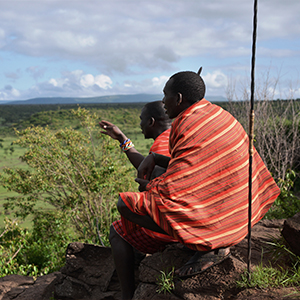
On our vacations, you can stay in safari lodges that work in partnership with Maasai and Samburu communities, leasing land from residents so that they can shape how tourism develops – or doesn’t develop – on their land. In Kenya, these rights are hard-won, and sometimes tenuous, threatened by colonial fortress conservation methods and irresponsible tourism. However, many reserves are determined to do things differently, returning the power to Indigenous hands.
Some of our best lodges are in the Naboisho Conservancy. Here, conservation and community now live in relative harmony. Big cats are doing particularly well, but you’ll also see elephants, giraffes, wildebeests and zebras. There’s also the chance to visit a Maasai village for a coffee and a chat – always on the residents’ terms.
Atlas Mountains & Sahara, Morocco
- Hiking with Berbers/Amazigh in the Atlas Mountains
- Camping and camel trekking in the Sahara
- Women’s rugmaking co-operatives
- Berber pizza, couscous and tagine
Berber crafts are among the most sought-after souvenirs in Morocco, stocking markets in almost every medina. Visiting a Berber rug co-operative is one of the best ways to buy one while ensuring the traditional makers are getting a fair deal. You’ll also get to meet the creatives behind the intricate work – some of whom will invite you in to learn the ropes, from dying the wool to how it ends up in the markets of Marrakech.
We also recommend heading to the Atlas Mountains, where Berbers have lived for thousands of years. Our kasbah in Imlil was restored in partnership with the local community. Mountain walks with Berber guides are a great way to meet your new neighbours. There’s no one better to take you on the trails, whether that’s a village-to-village stroll or a trek up Mount Toubkal, the highest mountain in North Africa.
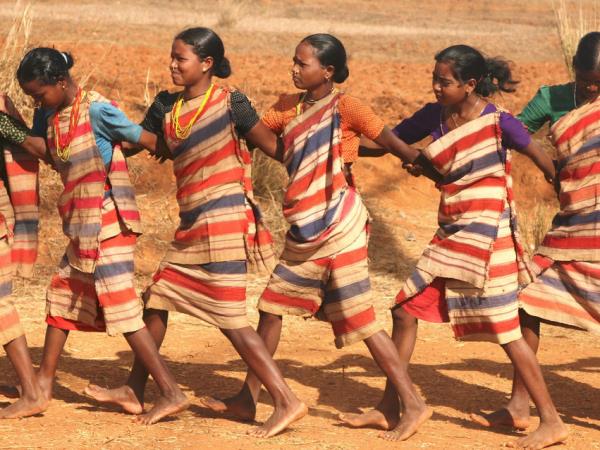
Orissa and Chhattisgarh tours in India
Distinct tribal cultures, temples & traditional textiles
From
US $3775
14 days
ex flights
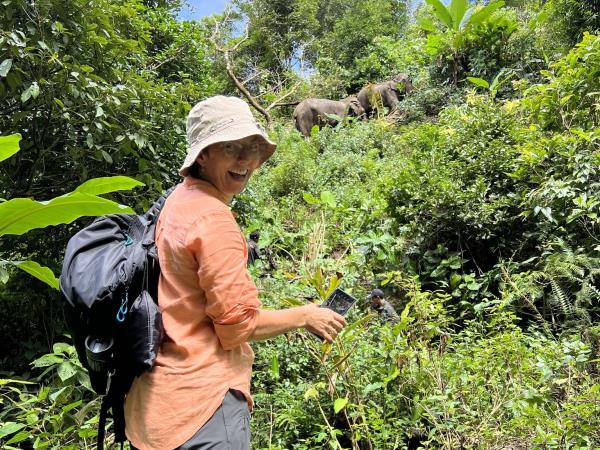
Thailand volunteering and elephant conservation vacation
Assist the Karen community & ongoing conservation efforts
From
£490
6 days
ex flights
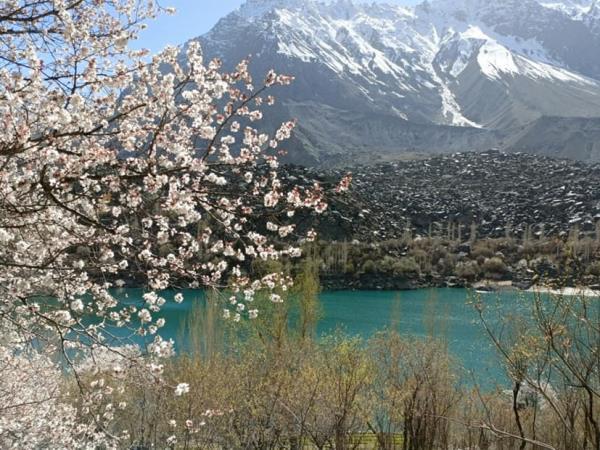
Hunza and Skardu cultural tour, Pakistan
Experience the rich cultural heritage of Karakoram valleys
From
US $3000
14 days
ex flights
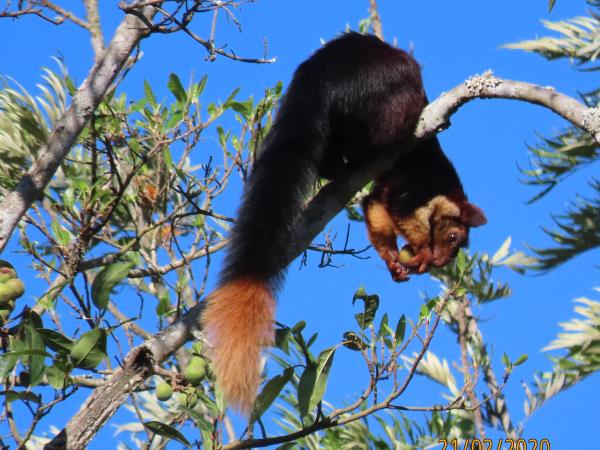
Nilgiri Hills nature and indigenous culture vacation, India
Off the beaten track in stunning Western Ghats
From
£1750 to £2300
14 days
ex flights
Morocco 15 day tour
Discover majestic Morocco, coastlines and Sahara desert
From
£1249 to £1299
15 days
ex flights

Nangma and Thallay La trek in Pakistan
Off the beaten track to Nangma and Thallay La
From
US $2600
15 days
ex flights


Contact Us
Call us for a chat about our vacations. We are happy to discuss your vacation and help in any way we can. No bots, queues or awful hold music.

1-866-821-6866
Call toll free
Calling from outside the USA

British Columbia, Canada
- First Nations art
- Wilderness lodges
- Kayaking and camping
- Wildlife watching, including bears, whales and orcas
In the city itself – which is the start of most of our vacations to British Columbia – Indigenous artistry ranges from gourmet food to First Nations-owned galleries. Seek out Gastown for celebrated master craftspeople and up-and-coming artists, the amazing Salmon n’ Bannock Bistro for seasonal sock-eye salmon and maple desserts, and Granville Island for craft shops, including the cavernous carving shed, where you might catch renowned Haida carver Clarence Mills working on his latest project.
Our self drive vacation starts in Vancouver with the option of joining an Indigenous-led tour of Stanley Park. You’ll learn about the Squamish, Musqueam and Tsleil-Waututh Nation peoples who lived here for thousands of years before they, after much resistance, were evicted to make way for Central Park-style leisure facilities… and a model ‘Indian village’.
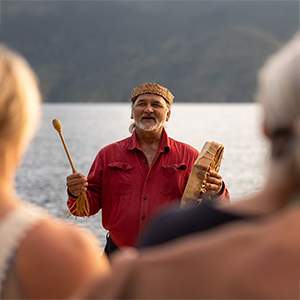
Had enough of the city? Spend a week at the Klahoose-owned wilderness lodge in Desolation Sound. You’ll get the chance to track wildlife and go kayaking with local guides who can tell you more than just the species of whales breaching on the horizon, widening your gaze to the whole ecosystem that has been their lifeblood.
Our camping and kayaking tours on Vancouver Island also work with Indigenous accommodation and guides wherever possible, touching base with First Nations-owned camps and whale watching boats. These trips are also created with care for the sovereignty of the Indigenous Peoples who live on the island, working at attaining protocol agreements with the Nations that they travel through. After all, the kayak was originally of Indigenous design, used by Inuit hunters who needed light and agile vessels.
Ayni is a type of reciprocity in Indigenous communities... It means today for you, tomorrow for me.![]()
Andes, Peru
- Inca Trail, Machu Picchu and the Sacred Valley
- Lake Titicaca homestays
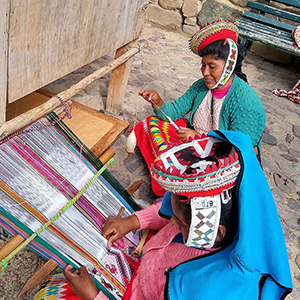
- Llama care, weaving, coffee and chocolate workshops
- Centre for Traditional Textiles in Cusco
After lingering in the city, you can be off on your way – to Machu Picchu and the Inca Trail. Some trips crack on with the classic three-day trek (do have a read about porters’ rights). However, if you’re interested in Indigenous culture then book our vacations that take slower, scenic routes – perhaps visiting the Quechua villages that sit in the Sacred Valley, such as the community of Misminay.
You can also combine hiking and homestays on the lesser-trod Lares Trail to Machu Picchu. “Our tours visit all the highlights, but they also visit traditional communities… there’s a little bit each day that gives something back to Peru,” says Amanda Zenick, co-founder of our Peru specialist Ayni Peru Expeditions. “Both come away with something more than just the standard package.” Creating mutual benefits is part of what inspired the company name: “Ayni is a type of reciprocity in Indigenous communities... It means today for you, tomorrow for me.”
Many Indigenous people in the Andes rely on subsistence farming. Tourism is often a welcome extra income stream in remote regions, with some coffee and chocolate farms opening their doors to visitors. Celebrate Indigenous culture here by choosing a focus that interests you, such as Andean spiritualism and ancient civilisations. “If there’s a community that wants to have people come and stay with them, we create an itinerary that includes at least a day visiting them,” says Amanda.
Most tours also include a trip to Lake Titicaca, on the border of Peru and Bolivia. It’s home to many Aymara people, who have been living there since before the arrival of the Incas. It’s also home to the Uros – and we can take you to visit their 100-plus floating islands. The architecture is astounding, with islands, houses and boats crafted from roots and reeds.
Kalinago Territory, Dominica/Waitukubuli
- Kalinago Territory
- Heritage villages
- Basket weaving and breadmaking
- L’Escaliere Tete Chien viewpoint
You’ll go on a hike with a Kalinago guide, tracing old trails between villages, churches and farms, and shrines to spirits. There are rugged coastal trails to explore too. The wild scenery is spectacular; it’s also served a vital purpose, deterring several waves of colonisers.
There are a couple of reconstructed heritage villages in the Kalinago Territory, including Kalinago Barana Aute, which sits in marvelling distance of Isulukati Waterfall. Hear music on the air? Follow it to a stage where groups perform dances and live music. You could also swing by Touna Kalinago Heritage Village. Founded by – and one-time home of – Chief Irvince Auguiste, it’s a model village but also a living village with permanent residents who welcome visitors with workshops, performances and homestays. Observe the art of basketweaving, see how bread is made from manioc (cassava), wander medicinal herb gardens, and cool off with juice freshly pressed from sugarcane and island fruit.
Costa Rica
- Coffee farms and tastings
- Wildlife watching
- Community-based tourism
- Indigenous-owned lodges in Matambú
Yorkin, a village in the Bribri Indigenous Territory of Talamanca, is the HQ of Stibrawpa – a collective of 40-plus artisans driving community-based tourism initiatives. Join them for walks, cocoa tastings, river swims and art shows that reveal how the Bribri’s lives are intertwined with the rainforest. And how, while navigating climate disasters, pandemics and economic uncertainty, they’re harnessing the power of tourism in order to remain in their homes.
Meanwhile, our trips to the Indigenous Territory of Kéköldi give you the chance to learn about the green iguana rehabilitation project – just one project of many projects run by the Kéköldi Land Carers. Stay for lunch, and you’ll be treated to a Bribri feast of chicken and vegetables baked in banana leaves. Matambú, in the Chorotega territory, also welcomes visitors with song, dance and the odd coffee tasting class.
In fact, you can discover how coffee goes from cacao bean to cup at many community-owned coffee farms that feature in our Costa Rica vacations. You’ll get to learn about the process from the people who know the cacao bean best, thanks to generations of ancestral knowledge. The power of cacao can’t be underestimated in these parts. It’s considered a literal gift from the gods to the Bribri and Chorotega, and many are reliant on its harvest.
West Africa
- Multi-country overland tours
- Indigenous-owned hotels and campsites
- Village visits
- Food and craft markets
Other tours focus on one country – such as our Ghana cultural tours steered by Asante people who can tell you about their long connection to the region. In Senegal and the Gambia, meanwhile, you’ll meet Wolof and Serer people on a trip that takes you to Indigenous-owned hotels and campsites, plus food and craft markets.
Our West Africa specialists have worked with Indigenous communities for many years and always check to see if the presence of tourists is welcome – especially in remote villages, where the permission of village elders is sought.
More Indigenous Peoples articles
A celebration of responsible Indigenous tourism – trips, tips and beyond.
They’re about reciprocity, collaboration and respectful communication.