Trekking vacations in Ladakh

Walkers in Ladakh can reach some impressive altitudes without mountaineering experience, but don’t forsake the valleys in your search for the peaks.

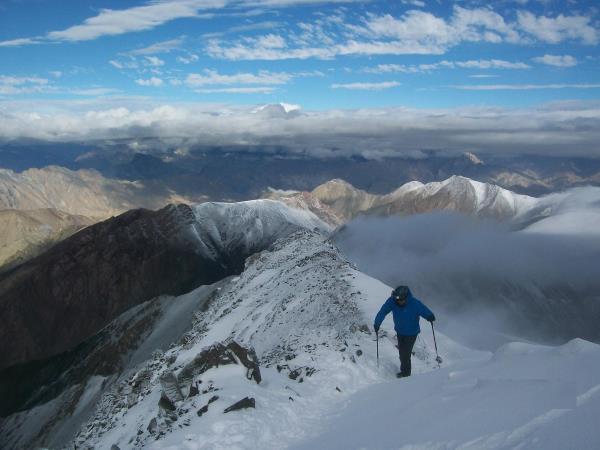
Standing on the top of Kang Yatse II (6,250m), you get one heck of a view. The Ladakh Range, the Zanskar Range, and the Karakoram Range: laid out before you like so many drawn curtains. On a clear day, you can even see K2, the second-highest mountain in the world.

But the beauty of this region is such that you can come and trek, not make it to a single summit and still have an equally rewarding time.

“You can get summit fever on these trips,” says Joyce Bartley from our expert high-altitude trekking partner, Earth’s Edge, who run our Kang Yatse expedition. "But Ladakh is one of those regions with so much to take in: the villages we pass, the people we meet, the monasteries and temples – the summit is the cherry on the top. In Ladakh it’s very easy to appreciate the journey. It’s a special place.”

This area isn’t usually the first-time choice for high altitude trekking, simply because it’s less well known than places like Everest Base Camp. But these unique landscapes and quiet trails will draw you in.
You might acclimatise to the altitude, but not to these views.

Big landscapes, warm welcomes

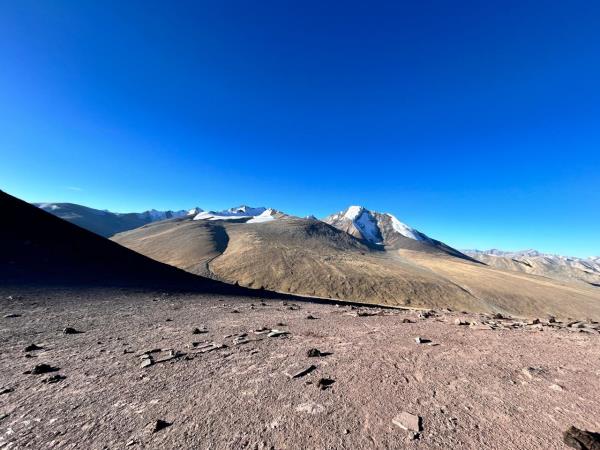
Ladakh has a very distinct landscape. Lying in a rain shadow, its huge mountains are too dry for trees, and instead the sun hits their rocky flanks casting incredible shadows in their folds. It’s often very dry until winter; Ladakh: it never rains, but it snows.

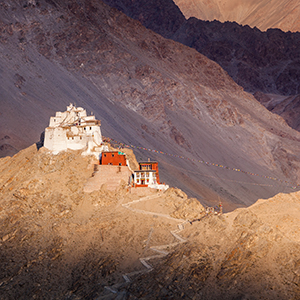
These enormous mountains have extraordinary hues: purple, orange, brown, yellow, grey, teal and terracotta; the rock is rich in colourful iron and copper ore. Gold and silver, extracted from the slopes, line the region’s Buddhist temples.

The rivers – milky in summer with meltwater, clearing to a glacial blue by the autumn – rush along the valley floors, through startlingly rich landscapes: there are apricot and apple orchards, fields of barley, wheat, potatoes, and mustard. The irrigated valleys are as lush as the mountains are bare. As you progress to their upper reaches, you’ll find temporary huts where shepherds stay in the summer with their flocks.

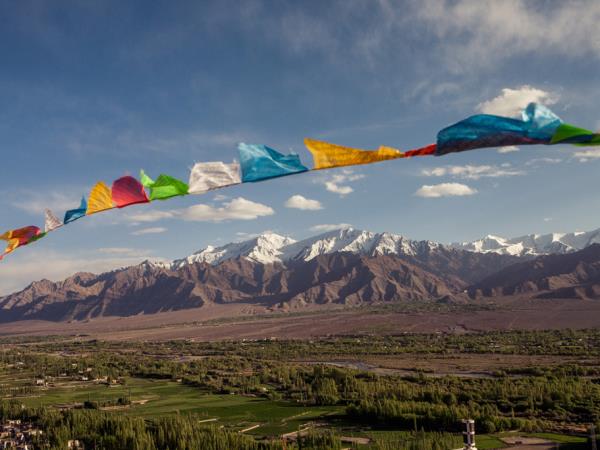
This region of India has a population the size of a small city living in an area the size of Sri Lanka. The region is influenced by neighbouring Tibet; Tibetan refugees settled here in the mid-20th century after China’s occupation of Tibet. There are Tibetan monasteries and customs, and prayer flags flutter on hill summits. The area is sometimes called Little Tibet; but there’s nothing mini about its peaks.

Curbing the crowds

Ladakh’s high altitude gives it a very short and intense tourism season during June, July and August. Many domestic tourists visit; it’s a popular place to go when the rest of the India experiences the monsoon.

Whilst there are fewer trekkers, it doesn’t take much footfall to damage some routes. The route up Stok Kangri mountain was closed to hikers in the 2020s, as the trekkers had contaminated the water supply of a village below the basecamp.

“They closed it off for the protection of the region – which was fantastic, they’re really taking ownership of the mountains out there, even though it meant saying no to a lot of business” says Joyce. Even so, the region is under a lot of pressure from general tourism, which depletes its precious water resources (a particular problem is the amount of water used by modern flushed toilets, rather than traditional compost toilets). Groundwater supplies are dwindling and the area’s glaciers have diminished by 40 percent since the 17th century. As trekkers move onto different routes instead, like Kang Yatse, it’s more important than ever that visitors travel with companies that follow the principles of responsible tourism.

Contact Us

Responsible Travel, Travel Team

Call us for a chat about our vacations. We are happy to discuss your vacation and help in any way we can. No bots, queues or awful hold music.

Responsible Travel, Travel Team

What is trekking in Ladakh like?

You get up, eat, walk, rest, sleep. It is all the basics and nothing else. All the beauty – and nothing else
There are several great peaks to conquer in the Ladakh area that are available to trekkers with no mountaineering experience, and all will have you reaching serious altitudes. Kang Yatse, at 6,250m, is over a kilometre higher than North Base Camp on Mount Everest. Stok Kangri stands at 6,153m, Dzo Jongo at 6,420m.

Reaching them requires acclimatisation – meaning plenty of downtime. “You get that beautiful, relaxed time at the start as you’re arriving at altitude,” says Joyce. This means time in Leh, the region’s capital. “It’s a trekker’s paradise,” says Joyce, “people come from all over to go up the valley. You have plenty of time to sit in the coffee shops, visit the equipment rental shops.”

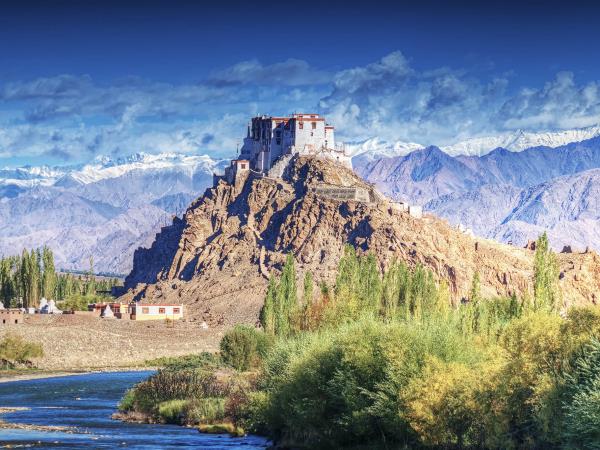
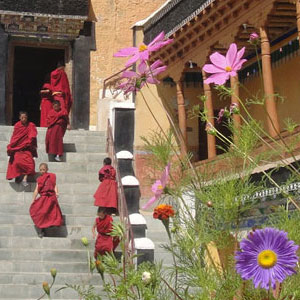
Tibetan and Ladakhi culture extends far beyond the first tentative sip of yak butter tea (good for altitude sickness). In the valleys, you’ll pass stone-built farms where subsistence agriculture has endured for generations, and you can use your downtime to visit some of the area’s amazing monasteries.

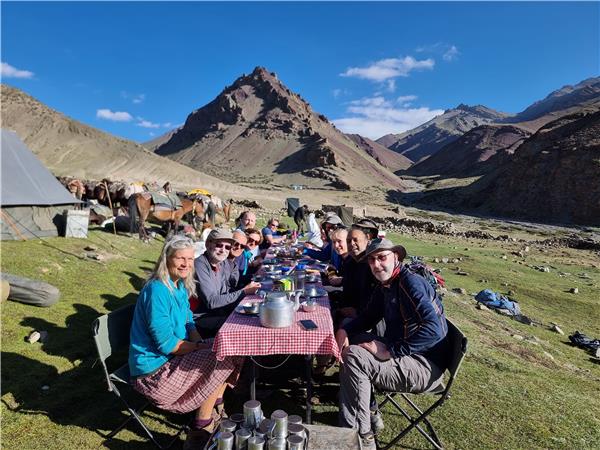
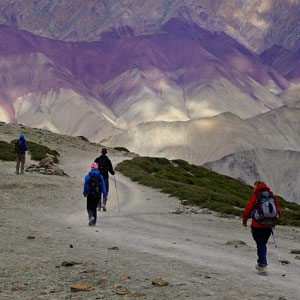
Once you’re walking, you’ll spend the evenings at rest: at camp by rushing rivers, where your trekking ponies graze, the blue sheep wander down from the mountain, and everything is peaceful. You fall into the rhythm of the walk. As Joyce says, “You get up, eat, walk, rest, sleep. There are no phones pinging, no one demanding that you’re in this or that meeting. It is all the beauty and nothing else.”

Supported treks

Whilst you don’t need mountaineering skills, to reach these peaks involves multi day trekking and camping, and a few river crossings. There aren’t teahouses along the way, so expeditions need to carry everything they need in and out. You will need support from a guide team and porters.

As well as looking after your health and keeping you on track, your team will plan in the important acclimatisation walks and rest days throughout the trip. Porters, leading a team of ponies and mules, chat with you along the walk, but then go on ahead to set up camp.

Some of our partners provide further support. “Each and every one of the trips has an expedition doctor,” says Joyce. This can be reassuring for nervous trekkers, but it also opens up walking to a wider range of people. “We can often offer travel to those who have been turned down by other companies, who have chronic illnesses, and who haven’t previously been able to get sign off from their doctor to trek.”

Expert support on your walk is ever more essential as the weather becomes more unpredictable. Climate change means that the clear skies and light winds of summertime are no longer a surefire bet. Trekkers need to prepare for all weathers. “Normally it doesn’t shift like that until September – but we’ve had weird weather,” says Joyce. “This is much more significant out in the mountains. The weather patterns are shifting, and it’s not as cut and dried as it used to be.”

Valleys and summits

Most treks begin with a walk in through a valley, gradually reaching higher and higher elevations, until you reach a base camp and then an advanced base camp. Before you do a final push to the summit, you’ll acclimatise, rest, and practise walking in crampons and using ice axes whilst roped together up at the snowline. From up here, your little tents at the bottom of the valley, tiny as Lego pieces, provide useful scale to a landscape that is very vast.

‘Summit day’ starts at midnight with head torches, so that you can be at the top just after sunrise and have time for the long walk out back to a road and a waiting shuttle vehicle. The altitude is so high at the summits that the views can be literally breathtaking.

How fit do I need to be?

Trekking is strenuous because of the altitude. Fans of high-altitude trekking know that a trip starts well before you put on your day pack. The more prepared and physically fit you are the better, and so many people spend months before their big walk training on their local hillsides.

“I was training on the small Irish hills and thinking – how is this training me for something that big?” says Joyce. “On these trips, you’re pushing your body and trying to find its limits – and finding out that those limits were further than you thought. No wonder people keep coming back for more!”

Where to trek in Ladakh

Kang Yatse II

The smallest peak in the Kang Yatse massif (Kang Yatse I is a higher, more technical climb) Kang Yatse II can be reached by walking up the Markha Valley, and doesn’t require mountaineering skills to summit. From the top are some of the best views in Ladakh, as you can see three mountain ranges at once.

Markha Valley

Among the most popular treks in the region, going up the Markha Valley means seven days trekking, plus acclimatisation in Leh, and trekking high pastures, then even higher passes, with only shepherds and goats for company.

Nubra Valley

Village walks in the Nubra Valley reveal a pretty, green landscape, but our multi day treks go deeper to places where there are only shepherd encampments with their dogs and their sheep. Another surprise awaits in the Hunder Sand Dunes: Bactrian camels, who thrive in these cold desert environments.

Stok Kangri

This popular summit is over 6,000m high and has brilliant views of the Karakoram range and K2 from the top. A trekking trip takes 16 days, including eight days of walking, plus acclimatisation days. Stok Kangri temporarily closed to trekkers in the 2020s, and trekkers should check for status updates before planning a trip.

Snow leopard central

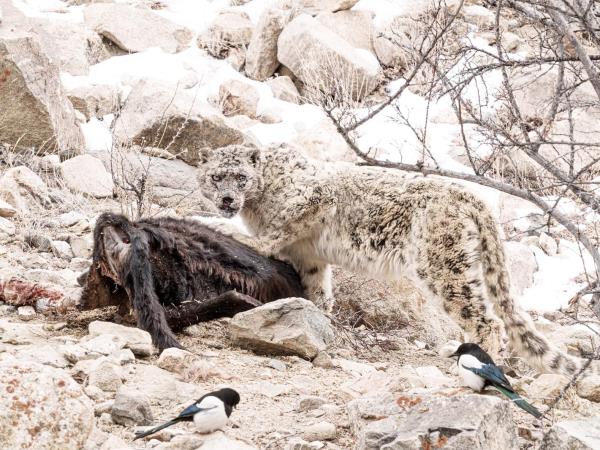
Most trekkers stick to July and August, but you can come in winter for our Ladakh snow leopard treks, walking in Hemis National Park to look for ‘ghost cats’ in one of their most frequented haunts. These treks bring vital winter income and employment to a region where most tourism comes in an intense, short summer season. If you don’t see a leopard, why not buy a felt one? Local artisans make them – and buying one can support their craft, and perhaps provide a talisman for sightings.
Written by Eloise Barker
Photo credits: [Page banner: Jorn Eriksson] [Intro: Jorn Eriksson] [Big landscapes, warm welcomes: Getty Images / Unsplash+] [What is it like?: Aksveer] [Markha Valley: Chris Hunkeler]