Overtourism in Edinburgh
There are Harry Potter, Outlander and Sherlock Holmes tours; ghost tours led by guides in Victorian costume; street food tours, and tours for those with a taste for whisky, ale or beer, and hop-on, hop-off bus tours with open top decks. Some are led by expert local historians, others are accompanied by exuberant theatrics, still more take place in silence, as participants wearing headphones bob along to their own private disco beats.
You can choose from dozens, if not hundreds, of guided sightseeing tours in Edinburgh, a city with a population of half a million. This population roughly doubles every August during the Edinburgh Festival, a citywide arts festival that incorporates 10 other events including the famous Fringe. Edinburgh’s tourism industry employs more than 40,000 people, contributes over £2 billion to the city economy every year, and supports a vast number of pubs, restaurants, shops and attractions.
But decades of unrestricted growth have affected both the tourist experience and the tolerance of Edinburgh’s residents. In peak season and particularly during the August festivals, the city’s public transport networks and waste disposal struggle to cope with the number of people. Record numbers of cruise ships are stopping in Edinburgh, and there are plans to increase that further still. Yet most cruise visitors stay for just a few hours, adding little to the local economy. And the overtourism phenomenon is changing the face of Edinburgh itself, from the way that public spaces are used, to the products that appear on the shop shelves.
The introduction of a visitor levy, the first to be imposed in the UK, will help to fund maintenance and improvements of infrastructure, but in itself is likely to do little to curb numbers.
When asked to give his thoughts on the future for Edinburgh, as part of its City Vision project for 2050, the Scottish author Alexander McCall Smith wrote: “We must keep tourism under control because if we don’t, by 2050 Edinburgh will be a vulgar wasteland of tourist tat shops, big hotels, and nothing much else… We need to keep communities alive in the Old Town. We need to seek ways of making it possible for ordinary families to continue to live in town… Our city won’t look after itself. We need to cherish it.”
You can choose from dozens, if not hundreds, of guided sightseeing tours in Edinburgh, a city with a population of half a million. This population roughly doubles every August during the Edinburgh Festival, a citywide arts festival that incorporates 10 other events including the famous Fringe. Edinburgh’s tourism industry employs more than 40,000 people, contributes over £2 billion to the city economy every year, and supports a vast number of pubs, restaurants, shops and attractions.
But decades of unrestricted growth have affected both the tourist experience and the tolerance of Edinburgh’s residents. In peak season and particularly during the August festivals, the city’s public transport networks and waste disposal struggle to cope with the number of people. Record numbers of cruise ships are stopping in Edinburgh, and there are plans to increase that further still. Yet most cruise visitors stay for just a few hours, adding little to the local economy. And the overtourism phenomenon is changing the face of Edinburgh itself, from the way that public spaces are used, to the products that appear on the shop shelves.
The introduction of a visitor levy, the first to be imposed in the UK, will help to fund maintenance and improvements of infrastructure, but in itself is likely to do little to curb numbers.
When asked to give his thoughts on the future for Edinburgh, as part of its City Vision project for 2050, the Scottish author Alexander McCall Smith wrote: “We must keep tourism under control because if we don’t, by 2050 Edinburgh will be a vulgar wasteland of tourist tat shops, big hotels, and nothing much else… We need to keep communities alive in the Old Town. We need to seek ways of making it possible for ordinary families to continue to live in town… Our city won’t look after itself. We need to cherish it.”

Growth for growth’s sake

If we are interested in delivering responsible tourism then we must look at it through the eye of the resident![]()

The Cockburn Association is a civic society advocacy group founded 150 years ago with a mission to protect and promote the architecture, landscape and historic heritage of Edinburgh. It recently staged a recent conference about responsible tourism in Edinburgh that brought together a range of tourism experts and sought to start a conversation on new approaches to managing tourism in service of the city’s residents. Key concerns included the over-commercialisation of public spaces; littering, congestion and crowding; infrastructure limitations; the housing crisis; and damage to Edinburgh’s natural and built heritage. Terry Levinthal, director of the Cockburn Association, believes that locals have been ignored: “If we are interested in delivering responsible tourism then we must start from the perspective of the local community. We need to look at it through the eye of the resident.”
As the city has pursued growth, the tourism sector has gained greater power, sometimes at the expense of residents. Terry illustrates this with a story about the Princes Street Gardens, two beautiful public parks below Edinburgh Castle. “There was a group of major music concerts held, ticketed events, and under the excuse of public safety but also helping to ensure exclusivity, black hoardings were erected the length of Princes Street to prevent people from getting a free view. So, this really serves as a symbol of people who live in the city being excluded from enjoying their home by a tourism operator.”
There have been worries about how tourism is growing and developing in Edinburgh as far back as the 1970s. In fact, as early as the 1950s there was tension with the festivals, with some residents feeling that the tourism sector was beginning to place profit over cultural value and experience. Edinburgh has now been ranked the most expensive place in Western Europe for a city break. The Cockburn Association’s conference showed that it is no longer just residents sensing the imbalance.
As the city has pursued growth, the tourism sector has gained greater power, sometimes at the expense of residents. Terry illustrates this with a story about the Princes Street Gardens, two beautiful public parks below Edinburgh Castle. “There was a group of major music concerts held, ticketed events, and under the excuse of public safety but also helping to ensure exclusivity, black hoardings were erected the length of Princes Street to prevent people from getting a free view. So, this really serves as a symbol of people who live in the city being excluded from enjoying their home by a tourism operator.”
There have been worries about how tourism is growing and developing in Edinburgh as far back as the 1970s. In fact, as early as the 1950s there was tension with the festivals, with some residents feeling that the tourism sector was beginning to place profit over cultural value and experience. Edinburgh has now been ranked the most expensive place in Western Europe for a city break. The Cockburn Association’s conference showed that it is no longer just residents sensing the imbalance.
An unacceptable level of change
Terry explains how overtourism manifests itself during festival season in Edinburgh: “In summer there’s a faint waft of sewage across the city center because the infrastructure wasn’t built to cope for this many people. Buses are full of tourists and their suitcases. People in the suburbs have to go without waste collection for several weeks as those resources are redeployed. And congestion complicates travel on foot or by bike. As a pedestrian my own journey time to work doubles during the Fringe.”
Edinburgh also faces social and economic pressures because of overtourism. For instance, the city’s short term let market, which went largely unregulated for years. It’s always been the case that some residents have gone away during the festivals and rented their homes out temporarily to tourists or performers. But with the growth of platforms like Airbnb, that has become more commercial, even industrialised, to the point that there can be many hundreds of properties up for rent during festival season. Attempts to regulate this were met with strong pushback from STL operators. This, of course, dramatically reduces the options for those looking for a permanent home to rent and changes the local landscape in terms of affordable homes, as housing stock becomes more attractive to second-home owners and prices go up. In this way overtourism in Edinburgh is causing social displacement, as local people struggle to find anywhere affordable to live and are forced to move further and further out of the city center.
Edinburgh also faces social and economic pressures because of overtourism. For instance, the city’s short term let market, which went largely unregulated for years. It’s always been the case that some residents have gone away during the festivals and rented their homes out temporarily to tourists or performers. But with the growth of platforms like Airbnb, that has become more commercial, even industrialised, to the point that there can be many hundreds of properties up for rent during festival season. Attempts to regulate this were met with strong pushback from STL operators. This, of course, dramatically reduces the options for those looking for a permanent home to rent and changes the local landscape in terms of affordable homes, as housing stock becomes more attractive to second-home owners and prices go up. In this way overtourism in Edinburgh is causing social displacement, as local people struggle to find anywhere affordable to live and are forced to move further and further out of the city center.
Overtourism in Edinburgh is causing social displacement, as local people struggle to find anywhere affordable to live![]()
A large proportion of the shops in Edinburgh’s UNESCO-listed Old Town now only sell tartan-trimmed trinkets to tourists, rather than serving residents. Some restaurants reportedly prioritise visitors who, keen to continue with their sightseeing, tend to free up tables faster than residents. Even small supermarkets predominantly sell products like sandwiches and bottled water that are aimed at a transient market. And all of this makes life harder still for those local residents who cling on.
Many Edinburgh residents feel that tourism is something that is done to them, rather than with them![]()
Chronic under-management
Visit Scotland does a superb job at marketing the festivals, but it has no role in managing their effects on the city and its residents. Many feel that they have become events for visitors rather than locals, and that tourism is something that is done to them, rather than with them.
This is not an issue that has sprung up overnight – it has been forming for decades and has now become impossible to ignore. Terry is clear on the principal cause of Edinburgh’s overtourism problem. “It’s not mismanagement, it’s chronic under-management. The city has simply not invested in the infrastructure it needs to make it all work. Before the Covid-19 pandemic there was recognition from authorities that there was too much concentration of tourism in too few areas. But instead of using those years when tourism fell to almost zero to think creatively, innovatively and managerially about dispersal, instead what happened was we rushed back to pre-Covid levels.”
This is not an issue that has sprung up overnight – it has been forming for decades and has now become impossible to ignore. Terry is clear on the principal cause of Edinburgh’s overtourism problem. “It’s not mismanagement, it’s chronic under-management. The city has simply not invested in the infrastructure it needs to make it all work. Before the Covid-19 pandemic there was recognition from authorities that there was too much concentration of tourism in too few areas. But instead of using those years when tourism fell to almost zero to think creatively, innovatively and managerially about dispersal, instead what happened was we rushed back to pre-Covid levels.”
How to fix Edinburgh’s overtourism problem
A great place to live is a great place to visit but the inverse doesn’t always follow![]()
Discussion and engagement on the issues between businesses, communities, council, and visitors, have been insufficient to date. Without that inclusivity the subject of tourism can become polarised. Many countries, such as Spain, are now seeing widespread protests due to local people feeling their views are being ignored. Now, hopefully, there is a growing recognition that tourism in Edinburgh ought to be carefully plotted and responsibly managed, with residents having more of a say.
The council’s 2030 tourism strategy takes a more responsible approach, with spreading tourism to other parts of the city, and the country, mooted. Beyond the Old Town, areas such as Haymarket and the Forth Bridges are being redeveloped, and places like Dunfermline and the coastal towns along the Firth of Forth are accessible by rail. “We need to think on a wider regional basis,” says Terry, “less about pedestrianising Edinburgh streets or moving visitors around the city center, and more about intra-regional, giving people a much greater set of experiences. But that requires a substantial investment in infrastructure.” As to where that investment might come from, the visitor levy might be part of the answer.
The council’s 2030 tourism strategy takes a more responsible approach, with spreading tourism to other parts of the city, and the country, mooted. Beyond the Old Town, areas such as Haymarket and the Forth Bridges are being redeveloped, and places like Dunfermline and the coastal towns along the Firth of Forth are accessible by rail. “We need to think on a wider regional basis,” says Terry, “less about pedestrianising Edinburgh streets or moving visitors around the city center, and more about intra-regional, giving people a much greater set of experiences. But that requires a substantial investment in infrastructure.” As to where that investment might come from, the visitor levy might be part of the answer.
Levying improvements
Edinburgh has introduced a visitor levy, or tourist tax, set at five percent of accommodation costs and to include short term lets, with the proceeds to be used for improving the city’s public spaces, services and infrastructure. Over 80 percent of people visit Edinburgh for its history – interestingly the headline-garnering festivals actually rank just ninth in the list of reasons why people come. So it makes sense that the bulk of the funds raised should be reinvested in the city fabric.
There have also been calls for the tourist levy to help fund affordable housing, and for it to cover the effects of cruise ship visits. Edinburgh has a housing emergency, with around 7,000 people living in unsuitable temporary accommodation. Ironically, tourism drives the widespread short term let industry in Edinburgh that contributes significantly to the shortage of permanent housing.
And with plans to turn the port of Leith into a major cruise hub, there are lessons to be drawn from other European cities that have been swamped by waves of day trippers coming down the gangplanks. “Cruise passengers can contribute as little as the price of a cup of coffee to the city economy,” says Terry. “Given that cruising is the most carbon intensive form of tourism that exists and Edinburgh is supposed to be carbon neutral by 2030, there’s a conflict there as well.”
There is much work to be done but Terry, who considers himself a realist optimist, thinks there are solutions to much of it. “What’s essential though is to start with the interests of the local community. A great place to live is a great place to visit, but the inverse doesn’t always follow.”
There have also been calls for the tourist levy to help fund affordable housing, and for it to cover the effects of cruise ship visits. Edinburgh has a housing emergency, with around 7,000 people living in unsuitable temporary accommodation. Ironically, tourism drives the widespread short term let industry in Edinburgh that contributes significantly to the shortage of permanent housing.
And with plans to turn the port of Leith into a major cruise hub, there are lessons to be drawn from other European cities that have been swamped by waves of day trippers coming down the gangplanks. “Cruise passengers can contribute as little as the price of a cup of coffee to the city economy,” says Terry. “Given that cruising is the most carbon intensive form of tourism that exists and Edinburgh is supposed to be carbon neutral by 2030, there’s a conflict there as well.”
There is much work to be done but Terry, who considers himself a realist optimist, thinks there are solutions to much of it. “What’s essential though is to start with the interests of the local community. A great place to live is a great place to visit, but the inverse doesn’t always follow.”
More Scotland articles
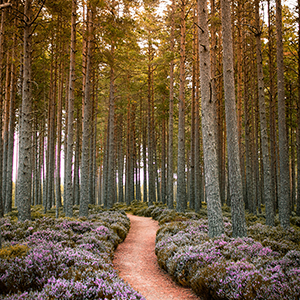
The best time to go to Scotland is, for many people, when wildlife come out to play.
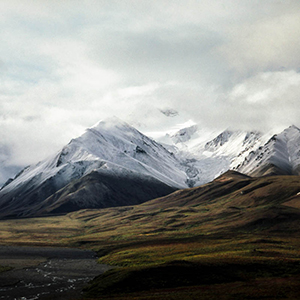
Our Scotland travel guide reveals a land full of wildlife, and mountainous and marine magnificence.
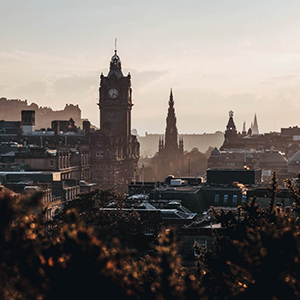
From cities to highlands and islands, find out where to go in Scotland for walking, wildlife and whiskey.
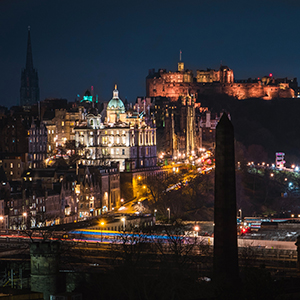
The best cities to visit in Scotland including Edinburgh, Glasgow, Inverness and more.
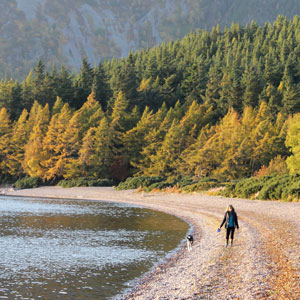
Forget Braveheart – the Highlands are wild at heart; our guide shows you what not to miss.
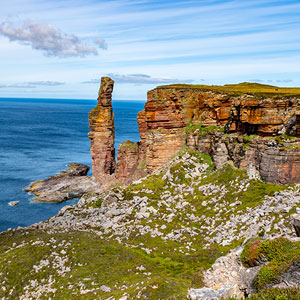
Orkney and Shetland Islands vacations explore two of the most northerly outposts in Britain.
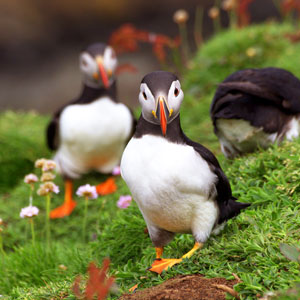
Wildlife watching in Scotland? Pack your waterproofs, your binoculars and your sun cream too.
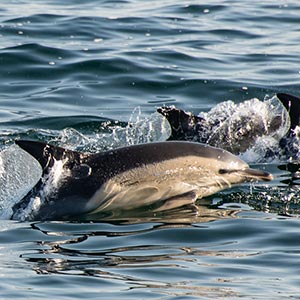
From thrilling wildlife safaris and small ship cruises to winter trekking.
Scotland kayaking vacations explore beautiful coast, islands and sea lochs.
Scotland rail vacations explore lochs, highlands, islands and wild moorlands that drivers miss.
Craving independence? You can go your own way on Scotland self drive vacations.

Scotland small ship cruising vacations roam the country’s most spectacular nautical nirvanas.
Traveling in Scotland with kids is always lively, with an incredible range of activities to keep everyone happy.
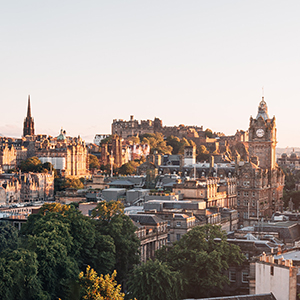
There's plenty to do in Edinburgh - we explain how to avoid the crowds.
We’ve put together some of our favorite things to see and do in the welcoming city of Glasgow.
The best things to see and do in Inverness for a taste of the city’s heritage and culture.
Find out where to go on winter vacations in Scotland, and what to do once you’re there.
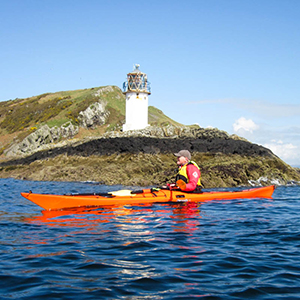
One of the most useful bits of Scotland travel advice we can offer you is to look beyond the tourist trail.

We’ve assembled 10 useful tips for Americans visiting Scotland to help you enjoy your stay.
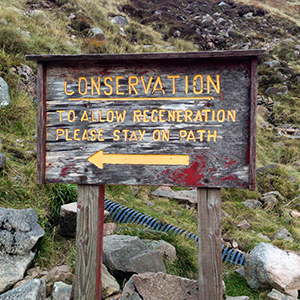
Scotland has many fine qualities but one of the finest is the freedom to roam.