Food & drink in Sweden
It may come as little surprise that several staples of food and drink in Sweden have their origins in the seafaring traditions of the Vikings. Fish and vegetables would be preserved, such as by pickling or fermenting, so that they would last for long sea voyages, while knackebrod (crispbread) will keep for more than a year in the right conditions. Today, pickled herring is still the centerpiece of any smorgasbord worthy of the name, doled out onto crispbread, or paired with potatoes, cheese, or boiled eggs.

Pickled herring is the centerpiece of any smorgasbord worthy of the name![]()

There is a sense of ‘needs must’ around much of Swedish cuisine. Age-old fixtures of the diet include berries from the forests, fish from the lakes and sea, root vegetables from the land – all dependable, accessible, inexpensive. Popular dishes are hearty, to cope with cold winters – sub-zero temperatures are common, and in northern Sweden, it can get as low as -30°C or colder.
But don’t mistake practicality for blandness. Husmanskost is a commonly used term referring to traditional, home-cooked food that employs local, seasonal ingredients, so there can be a great deal of regional variation. Ostkaka, literally cheesecake in Swedish, is a specialty of the Smaland region dating at least as far back as the 16th century. Upplandskubb, a bread from Uppland, is baked for several hours in a water bath, so that no crust is formed.
Many Swedes are reverting to husmanskost as it’s a more sustainable, more healthy way of eating. Farm-to-table, organic ingredients are emphasised, as championed in the New Nordic Food Manifesto which was designed by Swedish chefs along with farmers, politicians and the food industry. Husmanskost tends to be fast and easy to make, without many ingredients or much seasoning beyond salt and pepper. Most of Sweden’s port cities are in the south of the country, giving greater access to ingredients and spices from other parts of the world, which is why Swedish cuisine gets more complex the further south you go.
But don’t mistake practicality for blandness. Husmanskost is a commonly used term referring to traditional, home-cooked food that employs local, seasonal ingredients, so there can be a great deal of regional variation. Ostkaka, literally cheesecake in Swedish, is a specialty of the Smaland region dating at least as far back as the 16th century. Upplandskubb, a bread from Uppland, is baked for several hours in a water bath, so that no crust is formed.
Many Swedes are reverting to husmanskost as it’s a more sustainable, more healthy way of eating. Farm-to-table, organic ingredients are emphasised, as championed in the New Nordic Food Manifesto which was designed by Swedish chefs along with farmers, politicians and the food industry. Husmanskost tends to be fast and easy to make, without many ingredients or much seasoning beyond salt and pepper. Most of Sweden’s port cities are in the south of the country, giving greater access to ingredients and spices from other parts of the world, which is why Swedish cuisine gets more complex the further south you go.

Potato power
New potatoes on your plate in Sweden herald the start of summer, but they weren’t always so popular. Potatoes arrived in Sweden in 1658 (someone brought them over, they didn’t invade like little Vikings), however for a long time they were used primarily as animal feed. Then along came Eva Ekblad, an 18th-century Swedish countess, and one of the country’s first female chemists. She was a big potato fan; it’s said she even wore their flowers in her hair.Eva’s research showed how versatile potato starch could be in making everything from flour to spirits, serving as a valuable alternative to grains. Eventually potatoes came to be recognised as a food in their own right, and over the following decades this humble root vegetable helped the country through famine, war, plague and the end of the Swedish Empire. Thanks, potatoes.
Lingonberries with everything
Asked what she would recommend, Carmen Handi the founder of our partner Nordic Trails replies immediately. “Meatballs of course! If made well they are really delicious, with the essential ‘graddsas’ (cream sauce) and lingonberries on the side.” Lingonberries are ideally suited to Swedish cuisine, hardy and easily preserved, a tart complement to many gamey meat dishes. They turn up everywhere, from pancakes to porridge, muffins to protein bars.
The Swedes are an outdoorsy people. Like other Nordic countries there is a general right to roam, and both hunting and foraging are very popular. A diet heavy on meat and fish, foraged fruit and fungi, bears testament to that passion for nature. Many of our Sweden vacations incorporate an element of foraging, led by knowledgeable local guides of course. You can pick berries and mushrooms for dinner in the forests of Skinnskatteberg, or fresh herbs on the islands of the Saint Anna archipelago. There can be few better starts to the day in Sweden than pancakes cooked over the fire and scattered with a handful of freshly picked lingonberries.
The Swedes are an outdoorsy people. Like other Nordic countries there is a general right to roam, and both hunting and foraging are very popular. A diet heavy on meat and fish, foraged fruit and fungi, bears testament to that passion for nature. Many of our Sweden vacations incorporate an element of foraging, led by knowledgeable local guides of course. You can pick berries and mushrooms for dinner in the forests of Skinnskatteberg, or fresh herbs on the islands of the Saint Anna archipelago. There can be few better starts to the day in Sweden than pancakes cooked over the fire and scattered with a handful of freshly picked lingonberries.
Sliding in on a shrimp sandwich
For many years shrimp was almost exclusively the preserve of the upper classes in Sweden, who were deemed by some to have reached their positions in life without having had to work very hard. That notion of obtaining success without really earning it is called 'sliding in on a shrimp sandwich’.
The Swedes are fond of their seafood. “Herring is eaten in many different forms from the somewhat acquired taste of roll-mop herring to pan-fried herring with mashed potatoes and butter,” says Carmen. Between late August and early September, some brave Swedes crack open tins of surstromming – fermented, sour herring. The smell can be so overpowering that it’s considered polite to do this outdoors, and preferably some distance away.
Fish stocks in Sweden, as is the case in much of the world, are in decline. Sweden has pledged to end the hugely destructive practice of bottom trawling in marine protected areas which wreaks havoc on underwater ecosystems. With luck this will curtail overfishing, so that young Swedes can continue to discover who can remain longest in a sealed room with a freshly popped tin of pickled herring.
The Swedes are fond of their seafood. “Herring is eaten in many different forms from the somewhat acquired taste of roll-mop herring to pan-fried herring with mashed potatoes and butter,” says Carmen. Between late August and early September, some brave Swedes crack open tins of surstromming – fermented, sour herring. The smell can be so overpowering that it’s considered polite to do this outdoors, and preferably some distance away.
Fish stocks in Sweden, as is the case in much of the world, are in decline. Sweden has pledged to end the hugely destructive practice of bottom trawling in marine protected areas which wreaks havoc on underwater ecosystems. With luck this will curtail overfishing, so that young Swedes can continue to discover who can remain longest in a sealed room with a freshly popped tin of pickled herring.
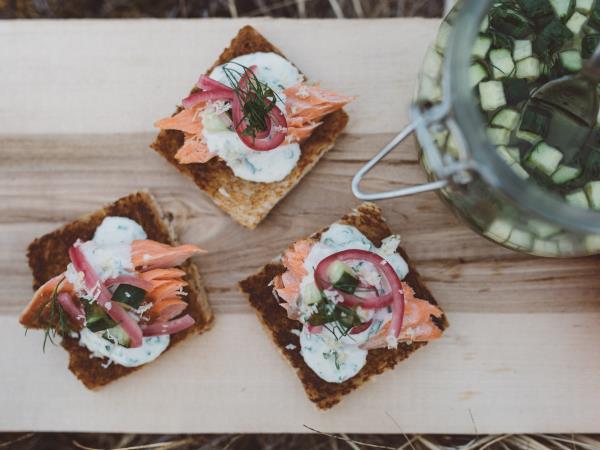
Sweden kayaking and food vacation
Swedish archipelago cuisine and culture by kayak
From
€1490
4 days
ex flights
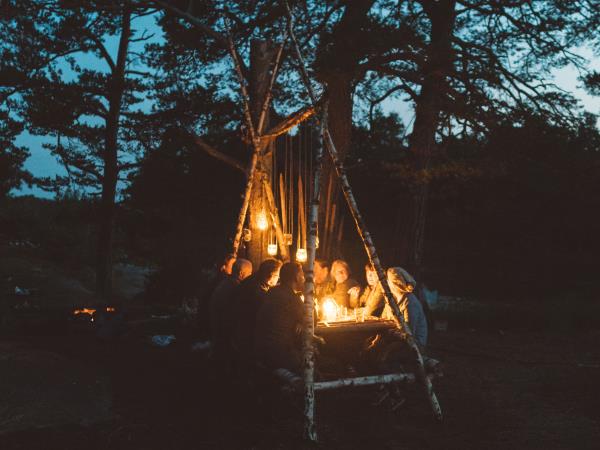
Kayaking in Sweden, foraging and food
Culinary Adventure in the Swedish Wilderness
From
€1415
4 days
ex flights
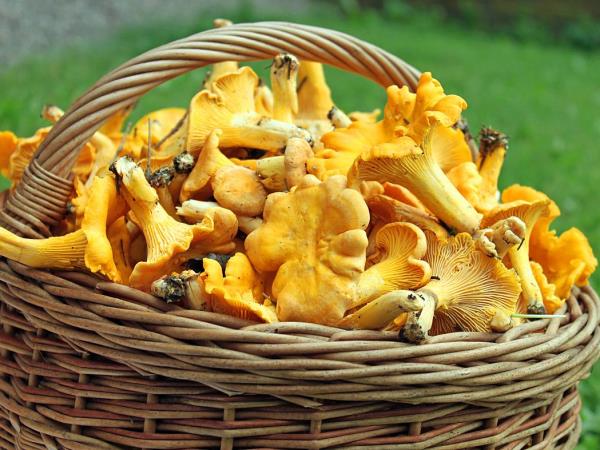
Swedish Lapland luxury food short break
From forest to table, wild foraging foodie adventures await
From
£3495 to £6990
4 days
ex flights


Contact Us
Call us for a chat about our vacations. We are happy to discuss your vacation and help in any way we can. No bots, queues or awful hold music.

1-866-821-6866
Call toll free
Calling from outside the USA

Waste not, want not
There is farm-to-table cooking, and in Swedish Lapland there is nose-to-tail cooking. The Sámi people often farm reindeer, and when venison is your primary food, it’s vital to use every part of the animal. The low-fat meat is dried, cured and smoked, giving it a very intense flavour. It is commonly mixed into stews such as bidos or renskav.
And there is very little wastage. Sámi dishes also use the hooves, the skull, the bones, the intestines, the internal organs, the skin, and the blood (mixed into pancakes). Boiled reindeer eyes and tongue is a speciality. The Sámi also hunt moose and elk, preparing them in a similar fashion. Reindeer is not eaten much elsewhere in Sweden, but in some restaurants, you will find modern takes on classic dishes like sour cream porridge topped with strips of reindeer meat.
Some Sámi people are nomadic, or seasonally nomadic, so they might have a permanent home as well as using lavvu (tents made from reindeer hide). It’s not uncommon for families to have upwards of five freezers to store their meat, veg and fruit.
Sámi cuisine may not be renowned for its diversity, but it’s certainly not all venison. The year is divided into eight seasons, each with its own ingredients. Cloudberries and lingonberries are picked from the forest. Fish dishes use Arctic char, brown trout, whitefish, and roe of the vendace, a small freshwater fish. And you’ll often taste the aromatic herb angelica, used to flavour everything from gin to omelettes.
And there is very little wastage. Sámi dishes also use the hooves, the skull, the bones, the intestines, the internal organs, the skin, and the blood (mixed into pancakes). Boiled reindeer eyes and tongue is a speciality. The Sámi also hunt moose and elk, preparing them in a similar fashion. Reindeer is not eaten much elsewhere in Sweden, but in some restaurants, you will find modern takes on classic dishes like sour cream porridge topped with strips of reindeer meat.
Some Sámi people are nomadic, or seasonally nomadic, so they might have a permanent home as well as using lavvu (tents made from reindeer hide). It’s not uncommon for families to have upwards of five freezers to store their meat, veg and fruit.
Sámi cuisine may not be renowned for its diversity, but it’s certainly not all venison. The year is divided into eight seasons, each with its own ingredients. Cloudberries and lingonberries are picked from the forest. Fish dishes use Arctic char, brown trout, whitefish, and roe of the vendace, a small freshwater fish. And you’ll often taste the aromatic herb angelica, used to flavour everything from gin to omelettes.
Not forgetting the drinks…
Akvavit, not dissimilar to gin or vodka, is a spirit distilled from grain or potatoes and flavoured with aromatics, with caraway or dill at the forefront. It’s potent stuff that gets splashed around liberally at crayfish parties in the late summer.
The wonderfully named glogg resembles mulled wine, flavoured with raisins and almonds, and traditionally served during the festive season. You soak a lump of sugar in alcohol, set it alight, and let it drip into the wine to heat and sweeten it.
And then there is fika, the Swedish term for coffee, cake and a good catch-up. “It’s become something of a phenomenon,” says Carmen, and indeed this informal break has now become almost a formalised institution, a cultural tradition of connecting with friends, relatives and colleagues. And what could be more ‘needs must’ than that?
The wonderfully named glogg resembles mulled wine, flavoured with raisins and almonds, and traditionally served during the festive season. You soak a lump of sugar in alcohol, set it alight, and let it drip into the wine to heat and sweeten it.
And then there is fika, the Swedish term for coffee, cake and a good catch-up. “It’s become something of a phenomenon,” says Carmen, and indeed this informal break has now become almost a formalised institution, a cultural tradition of connecting with friends, relatives and colleagues. And what could be more ‘needs must’ than that?

Responsible Travel would like to thank the European Travel Commission
and The Nordics for commissioning this page
More Sweden articles
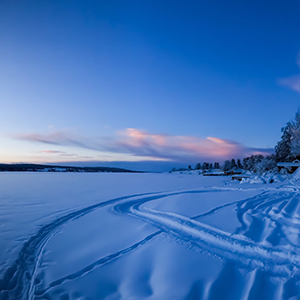
You can enjoy Sweden in its stunning summers - but equally in its beautiful winters; just allow for shorter days.
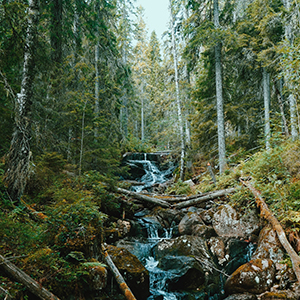
Follow Sweden's woodland rivers towards bear watching and berry picking, or enjoy its amazing cities and culture.
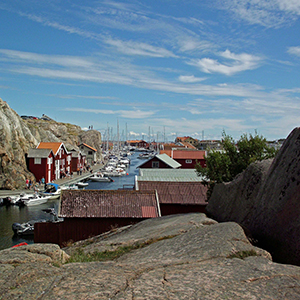
Did you know that Sweden covers an area twice the size of Britain? So there are plenty of places to go and discover.
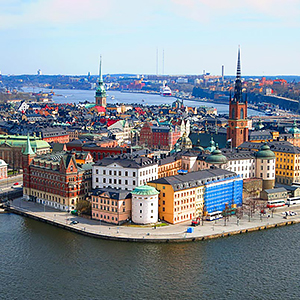
One of the most beautiful capital cities in Europe, Stockholm is bursting with elegance.
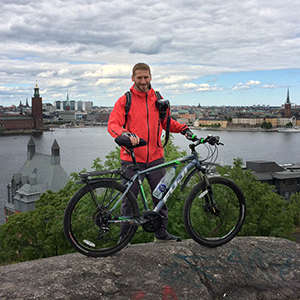
Sweden is one of Europe’s most underrated cycling destinations. Enjoy leisurely Stockholm cycles.
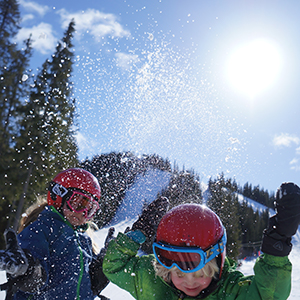
Inspiration on how to keep the kids entertained in Sweden, out and about or in the city.

Welcome to the Saint Anna archipelago, wild and pristine, the most renowned destination for sea kayaking in the country.

Watching as the aurora borealis streak across the night sky is utterly magical.
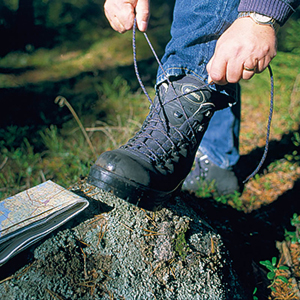
Explore the trails in Sweden with gentle tailor made tours across its forested landscapes.
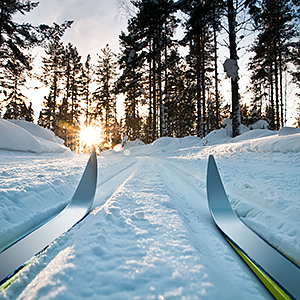
Find picturesque snow-draped landscapes, and skiing, snowmobiling and dog sledding.
Read a few tips from our friends in Sweden about how to travel well, and get the most out of your trip.
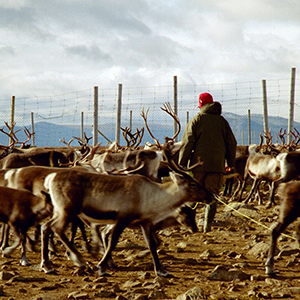
The low down on preserving Sami culture and protecting woodland areas.