Best places to see seals in the wild
Non-motorised transport startles resting seals: here’s how to see them responsibly and sustainably in the UK, in Europe, and in the wider world.
There was an enormous splash in the water next to my kayak, as though someone had thrown a boulder in. I looked around the estuary for the culprit. Eventually, the furtive head of a harbour seal appeared. He stared at me, as though the encounter had been my fault. “He was probably rubbing himself on your kayak,” said my instructor, wearily – they had seen it all before.
I’ve had plenty of seal encounters in the UK: they’ve popped up when I’ve swum in Cornwall, played welcome party to the ferry at Lundy Island’s jetty in Devon and congregated in their masses before the boat on Holy Island, Northumberland. Seals are one of our more reliable wildlife encounters; on a UK wildlife vacation you might not see anything else, but you’ll probably see a seal.
That’s great because they’re among the world’s favorite animals. Our partner Explore Worldwide recently reported that the seal was the animal that six nationalities in the world – from Emiratis to Danes and Moroccans – most wanted to see.
“Here in Britain and Ireland we have some of the richest seas in Europe,” said Sir David Attenborough at the start of 2023 BBC documentary Wild Isles. The UK has one of the longest coastlines relative to its size in the world: over 35,000km of it, and you’re never more than 110km from the sea. England’s seen as an underdog when it comes to wildlife – but one ‘under the sea dog’ comes up trumps – our seals, which you can see both from the shore and from the sea. In the UK, you can’t spell ‘sealife’ without them.
There was an enormous splash in the water next to my kayak, as though someone had thrown a boulder in. I looked around the estuary for the culprit. Eventually, the furtive head of a harbour seal appeared. He stared at me, as though the encounter had been my fault. “He was probably rubbing himself on your kayak,” said my instructor, wearily – they had seen it all before.
I’ve had plenty of seal encounters in the UK: they’ve popped up when I’ve swum in Cornwall, played welcome party to the ferry at Lundy Island’s jetty in Devon and congregated in their masses before the boat on Holy Island, Northumberland. Seals are one of our more reliable wildlife encounters; on a UK wildlife vacation you might not see anything else, but you’ll probably see a seal.
That’s great because they’re among the world’s favorite animals. Our partner Explore Worldwide recently reported that the seal was the animal that six nationalities in the world – from Emiratis to Danes and Moroccans – most wanted to see.
“Here in Britain and Ireland we have some of the richest seas in Europe,” said Sir David Attenborough at the start of 2023 BBC documentary Wild Isles. The UK has one of the longest coastlines relative to its size in the world: over 35,000km of it, and you’re never more than 110km from the sea. England’s seen as an underdog when it comes to wildlife – but one ‘under the sea dog’ comes up trumps – our seals, which you can see both from the shore and from the sea. In the UK, you can’t spell ‘sealife’ without them.

The world’s largest numbers of grey seals
The UK has 40 percent of the world’s grey seals and 95 percent of the European population. This half-tonne, Roman-nosed behemoth dives to 60m and can slow its heart rate to 10 beats per minute on the hunt. Grey seals can make a wide range of sounds and a study found that they can learn to sing like humans. When they are hauling out on the beach in large groups they have been known to make eerie ‘singing’ sounds. They’ve slipped effortlessly into our folklore as the selkie, a mythical being that is said to shed its skin and walk among us.
The UK also has plenty of harbour seals, alternatively known as common seals. They are two of the 18 true seal species in the world which, alongside eared seals, sea lions and the walrus, make up the pinniped family. The largest are the massive elephant seals you’ll see on the way down to Antarctica, the rarest is the Mediterranean monk seal, the prettiest (in my opinion) the ribbon seal. There are interesting and rare freshwater seals confined to lakes such as the Baikal seal and the Saimaa seal, a subspecies confined to one place in northern Finland.
Seals are perfectly adapted to the cold: 50 percent of their body weight can come from fat, their milk is some of the richest in the animal kingdom so seal pups can put on multiple kilograms of weight a day, and northern fur seals have some of the thickest coats in the animal kingdom. They sense their worlds with vibrissae – the whiskers on their faces – and with their large, fisheye lenses suited to seeing underwater (but rather short-sighted above it).
The UK also has plenty of harbour seals, alternatively known as common seals. They are two of the 18 true seal species in the world which, alongside eared seals, sea lions and the walrus, make up the pinniped family. The largest are the massive elephant seals you’ll see on the way down to Antarctica, the rarest is the Mediterranean monk seal, the prettiest (in my opinion) the ribbon seal. There are interesting and rare freshwater seals confined to lakes such as the Baikal seal and the Saimaa seal, a subspecies confined to one place in northern Finland.
Seals are perfectly adapted to the cold: 50 percent of their body weight can come from fat, their milk is some of the richest in the animal kingdom so seal pups can put on multiple kilograms of weight a day, and northern fur seals have some of the thickest coats in the animal kingdom. They sense their worlds with vibrissae – the whiskers on their faces – and with their large, fisheye lenses suited to seeing underwater (but rather short-sighted above it).
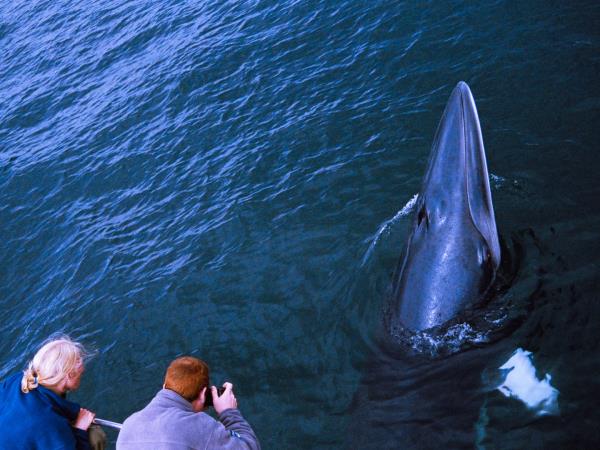
Wildlife vacation in the Isle of Mull, Scotland
Spot whales, otters and eagles on Isle of Mull, Scotland
From
£725 to £1095
5 days
ex flights
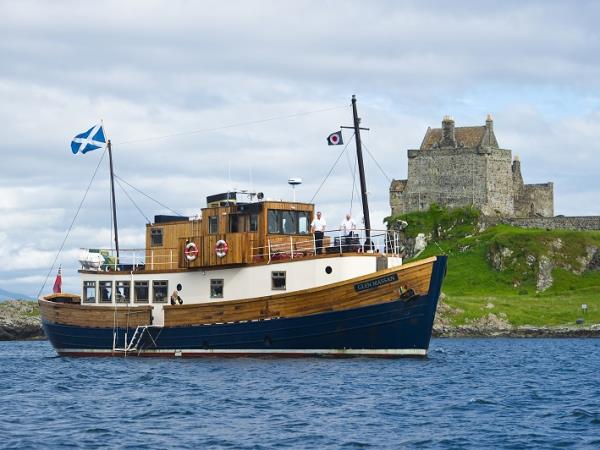
Isle of Mull and west coast of Scotland cruise
Cruise the idyllic coast around the Scottish island of Mull
From
£2645 to £3710
7 days
ex flights
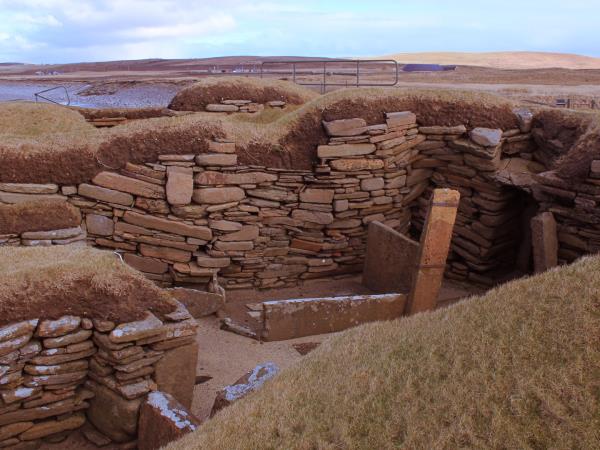
Orkney & Shetland self drive vacation, Scotland
Self-drive island-hopping through the Northern Isles
From
£1085 to £1195
7 days
ex flights
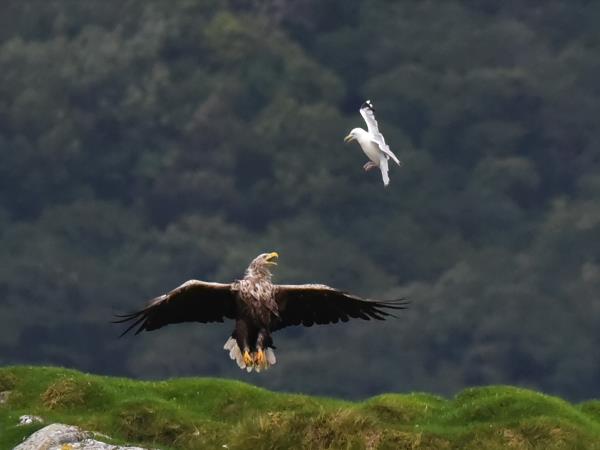
Inner Hebrides wildlife cruise
Cruise the Sounds of Mull and Loch Linnhe
From
£1025 to £1300
6 days
ex flights
Outer Hebrides and Shiant Isles cruise, Scotland
A magical cruise wandering through the Outer Hebrides
From
£3500 to £3800
11 days
ex flights

Scottish traditional cruise, 4 days
Short break cruise in Argyll on the west coast of Scotland
From
£1320 to £1520
4 days
ex flights


Contact Us

Call us for a chat about our vacations. We are happy to discuss your vacation and help in any way we can. No bots, queues or awful hold music.

1-866-821-6866
Call toll free
Calling from outside the USA


How to see seals in the UK

Charismatic creatures deserve charismatic language: seals ‘galumph’ on land, ‘bottle’ in water, ‘sing’ on the beaches and ‘tombstone’ from cliffs when startled.![]()

Some of the UK’s largest seal colonies are at Horsey Gap in Norfolk, where 3,000 seal pups are born each year, while 13,000 grey seals haul out on Blakeney Point in Norfolk, the largest seal colony in England. The Farne Islands, off the coast of Northumberland are home to 5,000 seals. In Wales, Pembrokeshire’s islands Skomer, Grassholm and Ramsey are seal territory. Ramsey Island is an RSPB reserve and also home to one of the largest Atlantic grey seal colonies in Europe. Head to Orkney or the Isle of Eigg in the Inner Hebrides in Scotland. Even the Thames Estuary is a seal success story – once very polluted, it now has healthy populations of both harbour and grey seals.
Seeing big colonies is impressive, but perhaps the best way to encounter seals is on the off chance. The north and west coasts and the islands offer some of the best places to see seals in the UK and many areas have small local populations.
See seals on coastal walks: if you walk the Isle of Man’s coastal path you’ll probably see them bobbing around the Calf of Man (and there’s a good chance to see basking sharks too). Organised wildlife-spotting boat trips might encounter seals in the water or hauled out on the rocks as you approach shore. Our Scottish islands cruising vacations often encounter seals – and you may be lucky enough to hear them ‘sing’ on the beaches.
Kayaking is one of the best ways to see seals (as I have discovered) – but coastal kayakers should keep their distance around seal colonies, never approach seals and keep moving at a steady pace during seal encounters.
Seeing big colonies is impressive, but perhaps the best way to encounter seals is on the off chance. The north and west coasts and the islands offer some of the best places to see seals in the UK and many areas have small local populations.
See seals on coastal walks: if you walk the Isle of Man’s coastal path you’ll probably see them bobbing around the Calf of Man (and there’s a good chance to see basking sharks too). Organised wildlife-spotting boat trips might encounter seals in the water or hauled out on the rocks as you approach shore. Our Scottish islands cruising vacations often encounter seals – and you may be lucky enough to hear them ‘sing’ on the beaches.
Kayaking is one of the best ways to see seals (as I have discovered) – but coastal kayakers should keep their distance around seal colonies, never approach seals and keep moving at a steady pace during seal encounters.
When to see seals in the UK
You can see seals in the UK all year round. Seals haul out to moult, breed and give birth and they are more vulnerable when on land, though their massive colonies are quite a sight, viewed from an appropriate distance. Harbour seal pups are born in June and July and they moult between August and September. Pupping season for grey seals runs from August to January and varies from location to location. They moult between February and April.
Seals under threat
We were very impressed with the care over environmental factors exhibited by the crew – even to making sure basking seals were not disturbed by our dinghy coming to land![]()
says our traveler Michael Tunnicliffe, who went on our Isle of Mull and Small Isles explorer vacation.
Fishermen and seals are enemies: seals ruin nets and steal fish. In the UK they’re thought to be responsible for some half a million farmed salmon deaths a year – and farmers set up controversial loud seal scarers to keep them away. Formerly, they were simply killed.
Tourism is a continuing and growing threat. In Cyprus, seals give birth in dark caves as the beaches are too busy. The humble ringed Frisbee, has been known to cause mischief – seals get them stuck around their bodies and then as they grow, the Frisbees start to cut into their skin.
With the increase in popularity of non-motorised transport like stand up paddleboards, and the rise of year-round cold water swimming, seals cannot hear approaching threats and can be startled.
It takes a lot of energy for a seal to haul out on land and they are vulnerable and unable to move fast without considerable effort. Startled seals stampede into the water or tombstone (drop from height into the sea). This can lead to broken bones, trampled pups and death: for all their generous upholstery, even seals can suffer from cold-water shock.
Climate change is a new threat. In Lake Saimaa, Finland, volunteers build snowdrifts for rare Saimaa seals as snow cover worsens due to climate change. Ice-dwelling members of the seal family find their habitats less stable and breaking up more frequently, making them more vulnerable to predators.
Responsible travel operators will always follow wildlife guidelines for watching seals, observe minimal distances and provide clear instructions for water-based activities and coastal hikes near seal areas. They will encourage you to report sightings to local wildlife trusts.
Tourism is a continuing and growing threat. In Cyprus, seals give birth in dark caves as the beaches are too busy. The humble ringed Frisbee, has been known to cause mischief – seals get them stuck around their bodies and then as they grow, the Frisbees start to cut into their skin.
With the increase in popularity of non-motorised transport like stand up paddleboards, and the rise of year-round cold water swimming, seals cannot hear approaching threats and can be startled.
It takes a lot of energy for a seal to haul out on land and they are vulnerable and unable to move fast without considerable effort. Startled seals stampede into the water or tombstone (drop from height into the sea). This can lead to broken bones, trampled pups and death: for all their generous upholstery, even seals can suffer from cold-water shock.
Climate change is a new threat. In Lake Saimaa, Finland, volunteers build snowdrifts for rare Saimaa seals as snow cover worsens due to climate change. Ice-dwelling members of the seal family find their habitats less stable and breaking up more frequently, making them more vulnerable to predators.
Responsible travel operators will always follow wildlife guidelines for watching seals, observe minimal distances and provide clear instructions for water-based activities and coastal hikes near seal areas. They will encourage you to report sightings to local wildlife trusts.
Great seal experiences around the world
Volunteering with Mediterranean monk seals in Greece
Around 40 percent of the suspected 800 Mediterranean monk seals live in Greek waters. The world’s rarest seal was once critically endangered, but conservation efforts from organisations like MOm (The Hellenic Society for the Study and Protection of the Monk Seal) have helped change its conservation status. Help monitor these rare seals on our biodiversity monitoring trips in Greece.Kayaking with 50,000 cape fur seals, Walvis Bay, Namibia
Seals are not common around the African continent but there are some exceptions. Some 50,000 Cape Fur seals have made their home on Pelican Point in Walvis Bay, Namibia. Completely habituated to kayaking tours, kayakers find themselves in ‘seal soup’ as playful seals bite their oars, swim under the boat and bob up to look at them. You can see them on our Namibia self-drive safari.
Seeing orcas launch beach attacks on seals at Cape Valdes, Patagonia
Swimming on their sides to hide their tell-tale dorsal fins from their prey, a pod of orcas at Cape Valdes in Argentine Patagonia have learnt to launch onto the beaches to grab elephant seal and sea lion pups. This unique behaviour is thrilling for wildlife watchers… if not so great for the seals. Experience the hunt on our killer whale watching tour in Argentina.
Diving with leopard seals & other Antarctic adventures
If you want to see the true agility and ferocity of a leopard seal as it goes after a penguin, you need to be underwater. Our diving trips in Antarctica are an extraordinary opportunity for experienced divers. Non divers, Antarctic cruises are a fantastic way to see many seal species: elephant seal pups in the Falkland Islands to massive Atlantic fur seal colonies in South Georgia.
Swimming with seals in New Zealand… and Maori-owned boat tours
Kaikoura, North Island, New Zealand, is synonymous with wildlife watching and you can swim with seals in the shallow bay. If you want to add whales to the mix, you can go whale watching from here on Maori-owned boat tours on our New Zealand self drive vacations.
More Scotland wildlife articles
When best to see Scotland's creatures great and small, from the experts who know them best.
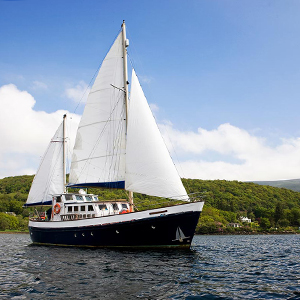
Small ship sailing safaris and self-drive trips are just two ways to follow Scotland's wildlife.
Observe whales and dolphins and sharks just off the Scottish coast.
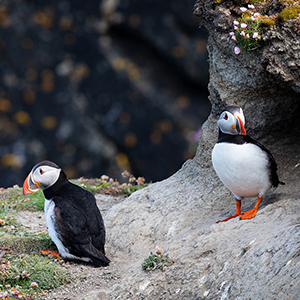
These sweet small animals are among Scotland's most popular - but how do you spot them?
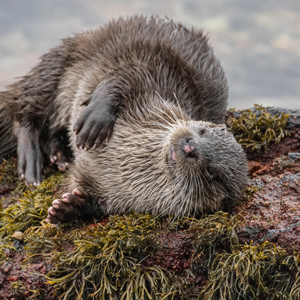
Luck plays a huge part in what you may or may not see on a wildlife watching vacation.
Whether you're after whales, eagles, or majestic stags, Scotland is by far the best place to go.
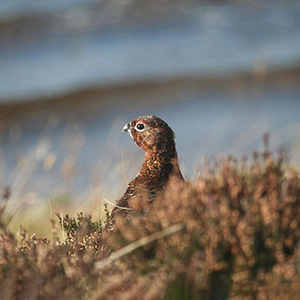
There's a darker side to Scotland's wild and untamed nature.



.jpg)