Top 10 walks in India
There’s one obvious bit of India for walkers to tackle, and that’s the Indian Himalayas, which give 13 of India’s northern states an impossibly high mountain backdrop. The mountain areas of Ladakh, Jammu and Kashmir – and Sikkim in particular – are popular with walkers, who come to tackle the high-altitude valley treks that pass under the world’s highest mountain range.
But the rest of the country is rewarding for walkers, too. Take the Western Ghats, the spine of mountains that follows India’s western coast all the way from Gujarat to Kerala. Offering lower altitude and more temperate walking than the Himalayas, they’re a wildlife haven as well as a walking heaven – and you can combine them with time on the coast and backwaters of India’s relaxed southern states.
Read our list of the top 10 walks in India for more.
But the rest of the country is rewarding for walkers, too. Take the Western Ghats, the spine of mountains that follows India’s western coast all the way from Gujarat to Kerala. Offering lower altitude and more temperate walking than the Himalayas, they’re a wildlife haven as well as a walking heaven – and you can combine them with time on the coast and backwaters of India’s relaxed southern states.
Read our list of the top 10 walks in India for more.

1. Trek in the Markha Valley, Ladakh
The best thing about the Markha Valley trek is that you can reach extraordinary altitudes without needing mountaineering experience. The walk, set in one of Ladakh’s most picturesque valleys, is an eight-day horseshoe-shaped route. The trek goes over two high passes – Ganda La (4,970m) and Gongmaru La (5,286m) – though by the time you reach them you’ll be fully acclimatised.
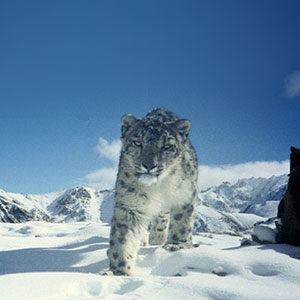
The mountainside is bare and rocky, but the valley floor is lush and green. Ladakh’s farmers take full advantage of their short growing season, cultivating barley, wheat, peas, apricots and apples – as you’ll discover, staying in tea houses in their villages and eating very local dishes. Village homestays contribute directly to communities involved in snow leopard conservation in the area.
Best time to go: July and August
Our top trip: Markha Valley trek
See all our trips: India walking vacations
Read more: Markha Valley trek travel guide
The mountainside is bare and rocky, but the valley floor is lush and green. Ladakh’s farmers take full advantage of their short growing season, cultivating barley, wheat, peas, apricots and apples – as you’ll discover, staying in tea houses in their villages and eating very local dishes. Village homestays contribute directly to communities involved in snow leopard conservation in the area.
Best time to go: July and August
Our top trip: Markha Valley trek
See all our trips: India walking vacations
Read more: Markha Valley trek travel guide
2. Hiking with wild goats in Kerala
Green: it seems as though the Western Ghats are composed of every shade of it, from the lowland plains to the deciduous forests, cloud forests, grasslands and – the brightest green of all – the close-cropped tea bushes that make up the hillside plantations. Whilst the coast of Kerala is around 35°C, up here the temperature is cool and pleasant, perfect for plant life, and perfect for hiking; well, the Nilgiri thar (rare wild goats) think so, anyway.Other memorable highlights of walking in Kerala include the forests of Silent Valley, a biodiversity-rich haven sadly threatened by hydroelectric projects – walking here helps prove there are non-destructive uses for this landscape. Hill stations fragrant with tea, coffee and spices make for divinely photogenic walking, too, and you can finish your exertions with a couple of nights to relax with a houseboat tour of Kerala’s scenic backwaters.
Best time to go: October to April
Our top trip: Kerala walking vacation in India
See all our trips: Kerala vacations
Read more: Kerala walking guide
3. Amazing Everest views from Singalila Ridge
Imagine waking up, looking out of your window and seeing the top of the third-highest mountain in the world, seeming so close on a clear, crisp day that it looks like it’s tapping on the glass. The Himalayas are a constant, dramatic backdrop to walking on the Singalila Ridge – so long as the local clouds are playing ball. If you’re lucky, the mountains will be revealed in full splendour from the ridgetop at Sandakphu (3,636m) where the nearer Kangchenjunga is joined by Makalu, Lhotse and Everest in the distance.For all the dramatic scenery, the Singalila Ridge walk is one of beauty, not brutality – through forests of oak and rhododendron, which is why it’s one of the most popular walking routes in Sikkim. You’ll trek with a local guide who can give fantastic cultural insights of the region.
Best time to go: March, April, October and November
Our top trip: Singalila Ridge trekking vacation
See all our trips: Sikkim vacations
Read more: Sikkim travel guide
4. Walking in tiger country, Central India
You might spot massive paw prints in the sand at river crossings, but you won’t encounter tigers on foot when you’re walking between the tribal villages of Central India. Instead, as you thread through a pretty rolling landscape of sal tree forest, rice paddies, and picturesque villages, you’re followed by children walking home from school, and cows walking back from the fields with their herders.
It’s only when you take to Kanha National Park that the safari starts in earnest. From the comfort of your jeep, hot water bottle on your lap and binoculars to your eyes, you might meet the region’s famous big cats. Vacationing with a responsible operator who is investing in the communities here directly helps the villages who live on the margins of the parks; which helps keep tigers safe, too.
Best time to go: November to March
Our top trip: Central India trekking and culture vacation
See all our trips: Rural India vacations
Read more: Rural India travel guide
It’s only when you take to Kanha National Park that the safari starts in earnest. From the comfort of your jeep, hot water bottle on your lap and binoculars to your eyes, you might meet the region’s famous big cats. Vacationing with a responsible operator who is investing in the communities here directly helps the villages who live on the margins of the parks; which helps keep tigers safe, too.
Best time to go: November to March
Our top trip: Central India trekking and culture vacation
See all our trips: Rural India vacations
Read more: Rural India travel guide
5. Atmospheric hiking in the Himalayan foothills
India’s northernmost state, Himachal Pradesh, is named for the massive mountain range that reaches into it. Among the valleys, you’ll pick up part of the old silk route that runs from India to Tibet, reaching high passes over 4,000m. There are hidden villages, their houses hard to pick out in the green slopes. You’ll stay with a local family in the village of Kafnu before starting the trek. When there aren’t villages, you’ll camp between hikes – and you might wake up to herds of hardy horses milling outside your tent.Afterwards, head to Tattapani for hot springs to rest and recharge those calf muscles! When you’re fully restored, it’s onwards to Shimla, the state capital. This is a great place to get involved in local sustainability projects and learn how multiple generations are working together to protect the environment.
Best time to go: June to October
Our top trip: North India vacation – mountains and hidden villages
See all our trips: Indian Himalayas vacations
Read more: Indian Himalayas travel guide
6. Exploring the beautiful green hills of Nagaland
You’ll find an atmosphere of peace and serenity walking in Nagaland, in northeast India on the border with Myanmar. Enjoy a stretch every morning looking out over the misty green hills, while breakfast cooks in your hospitable homestay.This is not a state that sees a great deal of tourism – the Naga hills are terraced with rice fields, as well as coffee, tea and cardamon, rather than walking trails. But English is widely spoken, and local guides show our travelers around with a genuine passion for the region’s biodiversity and history.
Best time to go: December, for the annual Hornbill Festival
Our top trip: Nagaland walking vacation in India
See all our trips: Rural India vacations
Read more: Rural India travel guide
7. Combining walking & cycling in Kerala
The Venn diagram of walkers and cyclists has considerable overlap, and Kerala’s portion of the Western Ghats is not just great for walking, but cycling, too. By combining the two you can enjoy days of freewheeling and eating up the road in the saddle. It’s an experience that will give you a true sense of scale on the hillsides and make short work of the seemingly endless tea plantations.
Swap two wheels for two feet to summit Chathurangapara peak and walk among the wind turbines, and for a hike in Periyar National Park. It’s easier to spot wildlife at walking pace, and this park is renowned for it – featuring massive blue-black Indian bison, wild boar and elephants, and tiny, beautiful butterflies. Group sizes are kept small to minimise your impact on the surroundings.
Best time to go: November to March
Our top trip: Walking and cycling vacation in Kerala
See all our trips: Kerala vacations
Read more: Kerala cycling travel guide
Swap two wheels for two feet to summit Chathurangapara peak and walk among the wind turbines, and for a hike in Periyar National Park. It’s easier to spot wildlife at walking pace, and this park is renowned for it – featuring massive blue-black Indian bison, wild boar and elephants, and tiny, beautiful butterflies. Group sizes are kept small to minimise your impact on the surroundings.
Best time to go: November to March
Our top trip: Walking and cycling vacation in Kerala
See all our trips: Kerala vacations
Read more: Kerala cycling travel guide
8. Trekking in Ladakh’s mountains
Trekkers descend on the city of Leh in the summer months to acclimatise at the start of their walking vacations. There are worse places to spend a few days, with its surrounding hillside monasteries providing dramatic landmarks across the mountains.When you’re ready to start trekking, take on the multi-day trek from Rizong via the high Tsermangchen La mountain pass (3,910m). Hiking here is all about following the flashes of life across the dramatically rocky valleys, witness the giant Buddha statues presiding over little towns: glinting from the scree like gold in a pan. Visiting this region provides much-needed tourism income for the remote villages, where other economic prospects are few.
Best time to go: Go in July for the Taktok festival
Our top trip: Ladakh mountains trekking adventure
See all our trips: Ladakh vacations
Read more: Ladakh travel guide
9. Trekking in Sikkim & add on Darjeeling
If you’re going to wake up in the early hours of the morning to summit a mountain, then that mountaintop view better be worth it. Well, welcome to Dzongri in Sikkim in the eastern Himalayas. It’s just over 4,000m high and offers a 360° Himalaya view – including a front row seat to Kanchenjunga – and it’s best seen at sunrise.Heading south to Darjeeling, West Bengal, after your Sikkim trekking adventure, there’s time for another early start: get up to rise and shine with the light reflecting off the snow of Kanchenjunga again from Tiger Hills. It’s a popular sunrise spot: prepare for crowds and cold, and for everyone to be overwhelmed into silence when the pink light hits the snow. Vacations here employ Sherpa people as hiking guides, supporting their communities.
Best time to go: March to June and September to November
Our top trip: Darjeeling and Sikkim trekking vacation
See all our trips: West Bengal vacations
Read more: West Bengal travel guide
10. Walking in elephant forests in the Western Ghats
Imagine this: you’re on foot, trekking through thick forest, when you hear the unmistakable trumpeting of elephants. Wild elephants are common in Mathikettan Shola National Park in Kerala, where the region’s last forests exist in patches, among stunted forests and grassland known locally as sholas. You’ll walk accompanied some of the way by local tribal trackers who can help you spot the smallest – and largest – wildlife.
This region is a vital corridor for elephant herds, so you may well encounter them on the hike, making walking here a highlight of trekking in the Western Ghats. Walks also feature the iconic tea plantations, cardamom forests and plenty of steep, rolling hillsides.
Best time to go: November or March
Our top trip: Western Ghats walking tour of India
See all our trips: Western Ghats vacations
Read more: Western Ghats travel guide
This region is a vital corridor for elephant herds, so you may well encounter them on the hike, making walking here a highlight of trekking in the Western Ghats. Walks also feature the iconic tea plantations, cardamom forests and plenty of steep, rolling hillsides.
Best time to go: November or March
Our top trip: Western Ghats walking tour of India
See all our trips: Western Ghats vacations
Read more: Western Ghats travel guide
More India walking articles
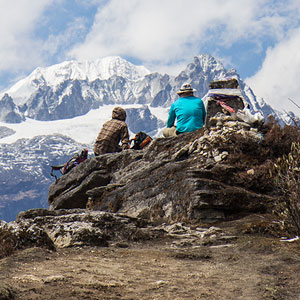
The best time to go walking in India is when you are ready, as there's something for everyone.
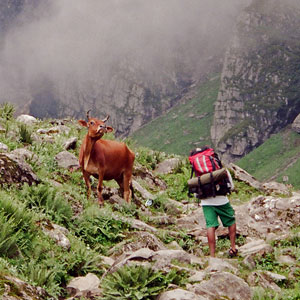
Featuring all different vacation types, walking levels and beauty levels...
See the maps and highlights of our top walking destinations in India.
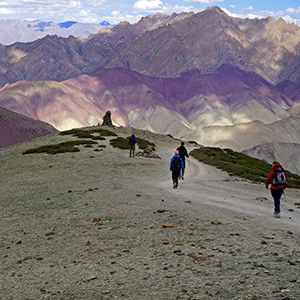
The challenging Markha Valley trek is a rewarding journey through a remote part of Ladakh.
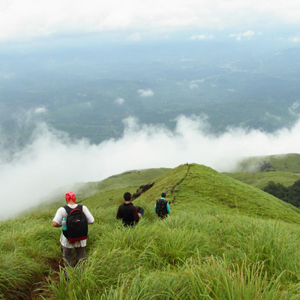
In Kerala, go hiking through tea and spice plantations, up forested slopes to peaks with views over lakes and plains.
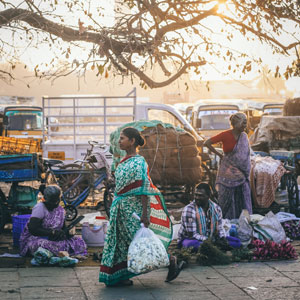
Our tips about walking vacations in India include what to pack and what to eat.

There are many responsible tourism issues in India, and we can only cover a handful.






.jpg)


.jpg)