Top tips for Americans visiting Italy
Has Italy always been on your wish list? You’re following in famous footsteps if so: the likes of George Clooney, Willem Dafoe, Peggy Guggenheim and Edith Wharton – all Americans who found their second and spiritual homes across the Atlantic. It’s easy to see why they came to love it here, and why many others have followed suit. Italians are no strangers to American tourists, and you’ll generally find them very welcoming. However, there might be things about life on the peninsula that are surprising if this is your first visit. We’ve spoken to our partners for advice for Americans in Italy: on everything from cultural differences and cappuccinos, to ensure that your trip here leaves you begging for more (and perhaps eyeing up the cost of a villa in Como).

Getting in and getting organised
Wise up on the ETIAS travel authorisation system
The European Union’s ETIAS travel authorisation system will apply to American travelers from late 2026. This is a new entry requirement for nationals from 59 countries around the world, including the USA, which don’t require a visa. You can find out more by reading our Europe guide. Additionally, ensure you’ve got the best travel insurance that you can afford: Italy has a very good healthcare infrastructure but this isn’t free for US citizens.
Book ahead for must-see sights
Make reservations. Many of Italy’s most popular activities require reservations, such as seeing The Last Supper in the small refectory of a convent in Milan, seeing the Sistine Chapel and the rest of the Vatican, visiting the Uffizi Galleries in Florence and driving to areas of natural beauty like the Lago di Braies in the Dolomites. We can make reservations for those must-see sights for you when you book a tailor made trip with us, and our small group trips usually secure tickets for your party in advance.
Getting around

Italian culinary traditions are deeply localised… Each region has its own unique products, from grappa to saffron, even different ice creams.![]()

– Giovanna Consonni, Stile Italiano Tours
Consider taking the train
Italy is less car-centric than the States, and the train network is good – Italy’s size and shape both make getting around by train easy. “I enjoy traveling by train in Italy because it takes you straight into the city center and helps you avoid traffic congestion when entering or leaving large cities,” says Giovanna Consonni, travel design manager at our partner Stile Italiano Tours. It takes just over an hour to travel from Rome to Naples, and just over two hours to travel from Venice to Florence – and it isn’t particularly expensive, either.
Get used to crowds, cobbles & your own two feet
Italian towns and cities are very walkable compared to many more modern and therefore more car-centric US cities. However, they can also be very busy (see Venice, Rome, Florence) and they might have lots of steps (we’re looking at you, Amalfi Coast), and lots of old, uneven pavements and roads. If you can, ditch the wheelie suitcase and keep your step counter on, you’ll be amazed what stats you’ll clock.
Enjoy the regional differences
“Italian culinary traditions are deeply localised,” explains Giovanna. “For example, it wouldn’t make sense to ask to visit an olive oil mill in Milan, as there isn’t one. Each region has its own unique products, from grappa to saffron, even different ice creams!" If you visit more than one region you’ll be intrigued by the differences in places that are just a few kilometres away from each other – the country has a lot of variation, in part because of its long, fragmented history as a series of city states, territories and regions.
For a further taste of regional difference, consider multi country tours. Italy is in the Schengen area, which means visa-free travel across borders. This is great if you want to spend more time in Europe: such as cycling into Slovenia and Croatia from Trieste and seeing how the culture shifts as you progress southeast.
For a further taste of regional difference, consider multi country tours. Italy is in the Schengen area, which means visa-free travel across borders. This is great if you want to spend more time in Europe: such as cycling into Slovenia and Croatia from Trieste and seeing how the culture shifts as you progress southeast.
Get off the beaten track
“Rome, Venice and Florence are unmissable for art and culture. However, in these cities, everyday life is often filtered through tourism,” says Giovanna. “Contact with local people is limited, as one mainly interacts with other travelers or tour operators. For this reason, it’s best to pair cities with less crowded locations.” Ferrara and Bologna are quieter cities just 110km and 150km away from Venice, whilst Lucca is just down the train line from Florence.
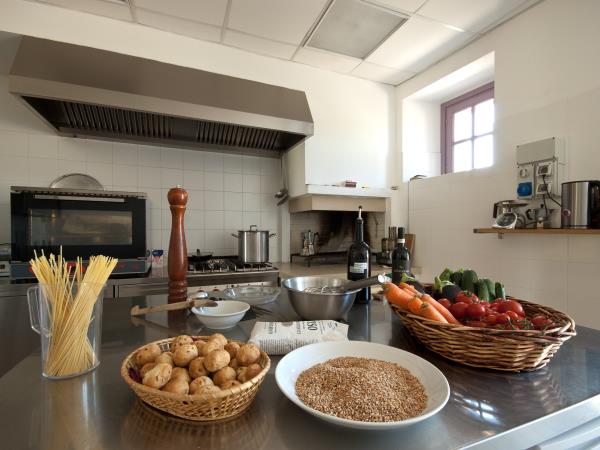
Umbria cooking vacation, Italy
Italian cooking in a farmhouse between Umbria and Tuscany
From
€2080 to €2280
5 days
ex flights
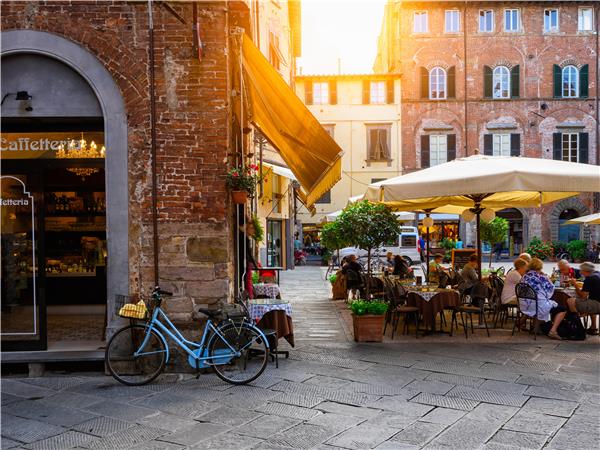
Walking vacation in Tuscany
A variety of daywalks in the beautiful Tuscan countryside
From
US $2810 to US $3275
8 days
ex flights
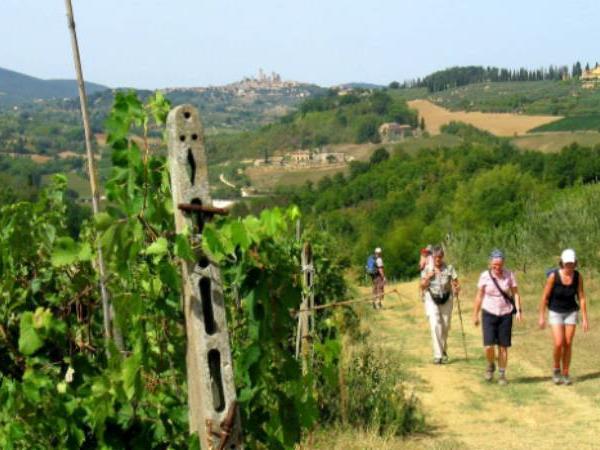
Francigena Way walking vacation Lucca to Siena
Walking vacation through the Tuscan countryside
From
US $1390 to US $1220
8 days
ex flights
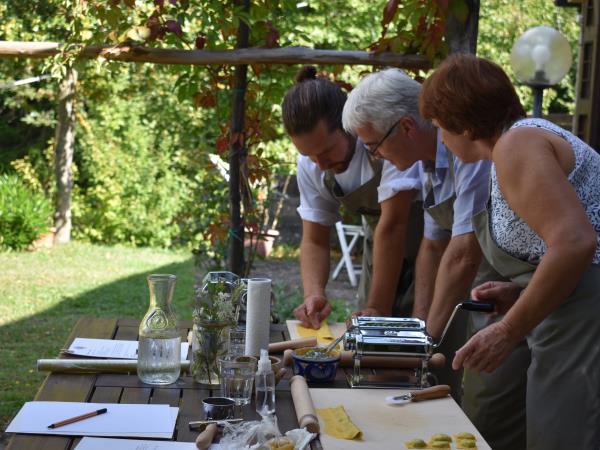
Italian cooking vacation, small group
Immersive local gastronomy & cooking in undiscovered Tuscany
From
£1600
7 days
ex flights
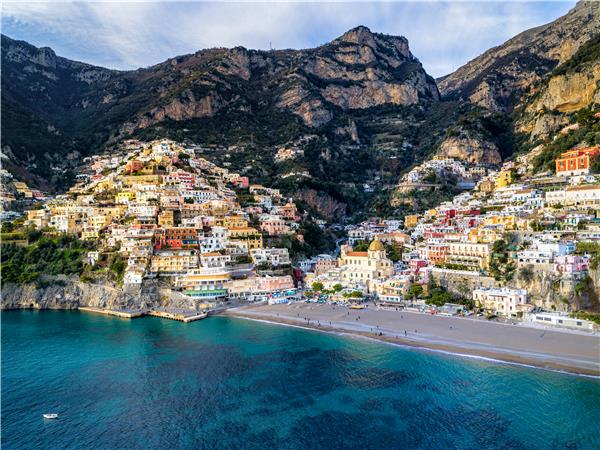
Amalfi Coast walking vacation, Italy
Walk in lemon groves and hillside villages
From
US $1995 to US $3115
8 days
ex flights
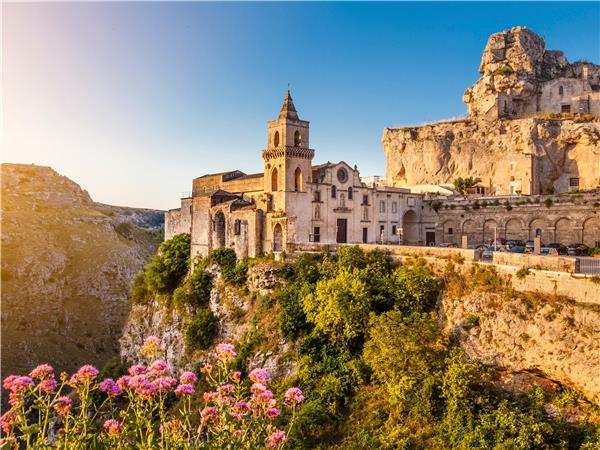
Puglia and Basilicata walking vacation in Italy
Unique regions between the Adriatic and Tyrrhenian seas
From
US $3025 to US $3435
8 days
ex flights


Contact Us

Call us for a chat about our vacations. We are happy to discuss your vacation and help in any way we can. No bots, queues or awful hold music.

1-866-821-6866
Call toll free
Calling from outside the USA


Getting by
Don’t worry about getting online
Whilst Wi-Fi is fairly prevalent in major cities, to save you hopping from network to network and lurking in train stations and your hotel lobby to get signal, consider buying a local SIM card. Alternatively, before you go sort an international roaming plan with your provider or purchase an eSim (software that you can install before you travel that functions like a local SIM card).
Learn un poco Italiano
Italians generally learn English in schools but don’t assume that everyone will speak English when you travel. Learn a bit of Italian if you can – the language is a joy to speak and attempts to speak it are usually well received. Try buongiorno, buonasera, and salve over ciao – considered more polite when speaking to strangers. And – a large generalisation, but – you might notice that people tend to speak more quietly than they might do stateside.
Consider bringing the family
Italy has a strong family and social culture that might be a surprising contrast to a more American individualism and work culture. You might see children staying up late, and extended families enjoying long meals together over the weekend. Italy is great for kids – from the food (gelato and pizza) to the history lessons afforded by many of its tourist sites (Roman, Greek, and Renaissance legacies at your youngsters’ fingertips).
Staying put
Prepare for different hotels
Europe’s population density being far higher than America’s, room sizes across the continent – including in Italy – are smaller than in the US. Outside of chain hotels, don’t anticipate all mod-cons; there are historic boutique family run properties that don’t have elevators, and often do not have air conditioning, which is less ubiquitous here. Older buildings might have smaller bathrooms, smaller rooms, and perhaps weaker water pressure.
Don’t forget the tourist tax
As is also common in American cities, you might pay a city tax per person per night at your hotel in Italy. This is usually a couple of Euros and is paid at the hotel. Cities with the highest tourist taxes for a five-star stay include Amalfi, Venice, Turin, Rome, Napes and Milan.
Staying fed
Cappuccino is a breakfast drink, not consumed after meals; espresso is the true Italian coffee ritual.![]()
– Giovanna Consonni, Stile Italiano Tours
Enjoy acqua frizzante
Acqua frizzante (bottled sparkling water) is believed to be better for your digestion, which is why it’s often served with your dinner, but you can ask for alternatives, such as acqua minerale. Tap water is acqua del rubinetto. You’ll find drinking fountains in big cities like Rome and Florence.
Don’t expect to tip
Tipping is not expected in Italian culture, unless you’re somewhere very fancy. Some establishments in touristy areas might add tips or push for gratuities if they suspect you have come from a tipping culture like the States. Also note on this point that staff are not working for tips, and so you can expect a different, less attentive service than you might at home. The reasoning is that you should be left alone to enjoy your meal for as long as you wish. So, prepare to seat yourself at the start of the meal, and ask for il conto (the check) at the end.
Learn the Italian menu format
Traditional Italian menus feature a primi (usually pasta) followed by secondi (often meat) served with optional side dishes (often contorni – vegetables) – and that’s before dessert. Ordering all this will mean a huge meal, so don’t be afraid to just opt for just one dish.
Be wary of false friends
If you’re familiar with Italo-American cuisine, brought over to the States by Italian migrants, note that this has evolved beyond its Italian roots and that not all dishes known to you will be common here. For example, spaghetti and meatballs: in Italy these are rarely served together (spaghetti is a first course, meatballs a second). Then there’s garlic bread (derived from bruschetta, but the butter probably first came into the dish because olive oil was harder to source in the States). Chicken parm is not common, ‘Italian bread’ is not readily found in Italy, and marinara sauce is more easily recognised as salsa al pomodoro.
Pasta carbonara has made the jump back, though: Italian restaurants have been serving this since American GIs brought it over in World War II. See also: Americano – the Italian take on American-style coffee, which is an espresso with added hot water, and the Americano cocktail: Campari mixed with sweet vermouth. Plenty of Americans have made the jump over to Italy: it’s time you did, too.
Pasta carbonara has made the jump back, though: Italian restaurants have been serving this since American GIs brought it over in World War II. See also: Americano – the Italian take on American-style coffee, which is an espresso with added hot water, and the Americano cocktail: Campari mixed with sweet vermouth. Plenty of Americans have made the jump over to Italy: it’s time you did, too.
More Italy articles
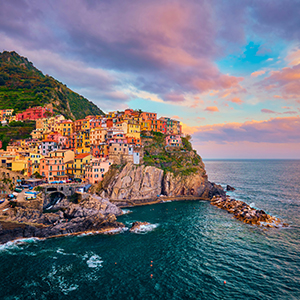
The best time to visit Italy is either the early summer months of June and July or September and October in the autumn.
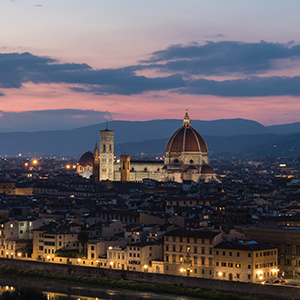
Find out what we rate and what we don’t as well as discovering how to travel like a local when you visit Italy.
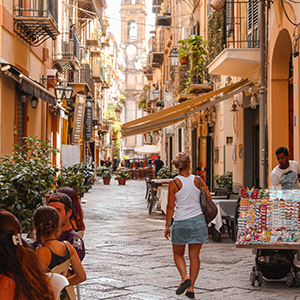
from the Dolomites and the Italian Alps in the north down to the islands of Sardinia and Sicily, here's where to go.
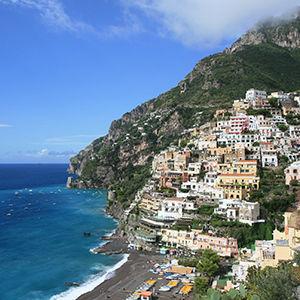
Cliffside villages and tiny pebble beaches are among the Amalfi Coast's treasures.

The sheer mountains of the Dolomites aren’t just for winter; summer brings fantastic hiking.
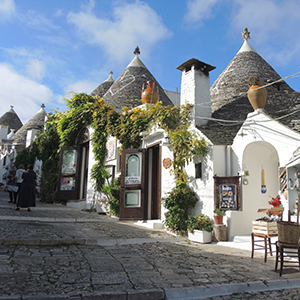
Travel down to Puglia to dive into Italy’s deep south and stay in a trulli.
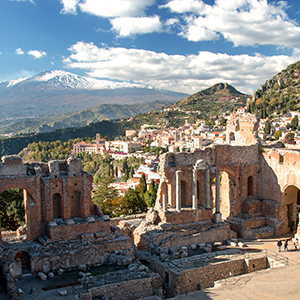
The closer you look at the cities and coast, the more intriguing Sicily gets.
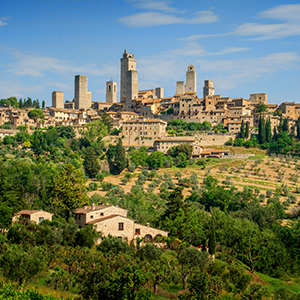
Most feel that they know Tuscany before they’ve seen it, but that's a misstep.

From active volcanoes to pizzas every day of the week: why kids love Italy.

Here’s what you need to know, from the culture that you might not expect to how long you need for your adventure.

Our Italy travel advice page is for those who love to learn from local experts who have imparted their pearls of wisdom.
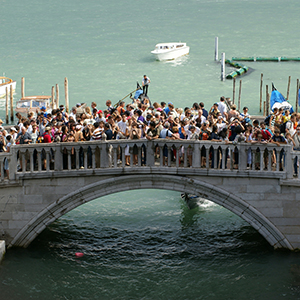
From slow food and sea life to preserving rural communities and ancient traditions...
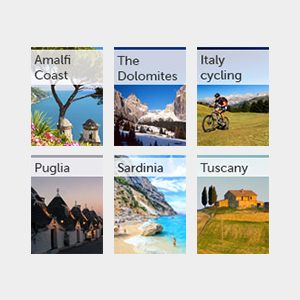
Find all our Italy guides in one place: Italy vacations in places such as Tuscany or Sicily, and different types of Italy vacations.