Wilderness vacations in Patagonia
With more and more of Patagonia being rewilded, here’s how you can have a rugged adventure in the region.
At Punta Norte on the Valdes Peninsula, a pod of orcas has learnt to surf. They propel themselves onto the shore with the waves – intentionally beaching themselves, though only temporarily – to grab unsuspecting seals and sea lions from the beach. Lucky wildlife watchers who travel here in March and April can be in on the action.
This UNESCO-listed peninsula, a curious kidney-shaped appendage sticking into the Atlantic, is a hotbed for marine life. Currents sweep up from Antarctica, carrying krill, and sea life follows in hot pursuit – southern right whales come between July and December to breed and calve, and you can see them mere metres from the shore. This is a place where you can stay in a lighthouse with its own sea lion colony, and spot beautiful Commerson’s dolphins on boat trips.
“The southern right whales and the penguins you can see there will make even the most well-seasoned traveler giggle,” says Myer Henderson from our partner Say Hueque, “And you can snorkel with sea lions.”
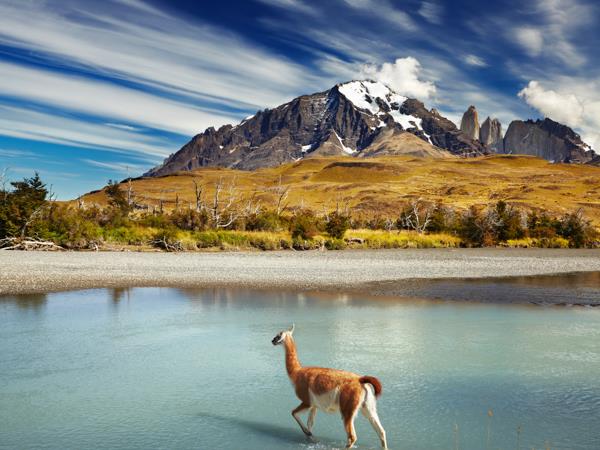
The Valdes Peninsula is in the north-east of Argentine Patagonia, in the Chubut region. This is the ‘wrong’ side of Argentinian Patagonia – the flat side, away from the Andes and the famous hiking routes in the south-west. But it is part of Patagonia Azul, a marine conservation initiative that became a park in 2025, spread along Argentina’s south Atlantic coast. “It’s a really neat spot, and because it’s so remote tourism is still in its infancy,” says Myer. The land might look desolate, but is home to hairy armadillos, guanacos, foxes, rheas, maras and more.
There is plenty to see here. “Give yourself enough time on the Valdes Peninsula,” says Jan Thomas, a customer on our self drive Patagonia vacation. “We were too ambitious with what we could fit into two full days and another day would have been really welcome.”
Patagonia is vast, but the reality for travelers is that they only see a small section – so make it count if you’re going to be hours from the airport, steeped in steppe. Here’s how to vacation in the wildest parts of the region.
At Punta Norte on the Valdes Peninsula, a pod of orcas has learnt to surf. They propel themselves onto the shore with the waves – intentionally beaching themselves, though only temporarily – to grab unsuspecting seals and sea lions from the beach. Lucky wildlife watchers who travel here in March and April can be in on the action.
This UNESCO-listed peninsula, a curious kidney-shaped appendage sticking into the Atlantic, is a hotbed for marine life. Currents sweep up from Antarctica, carrying krill, and sea life follows in hot pursuit – southern right whales come between July and December to breed and calve, and you can see them mere metres from the shore. This is a place where you can stay in a lighthouse with its own sea lion colony, and spot beautiful Commerson’s dolphins on boat trips.
“The southern right whales and the penguins you can see there will make even the most well-seasoned traveler giggle,” says Myer Henderson from our partner Say Hueque, “And you can snorkel with sea lions.”
The Valdes Peninsula is in the north-east of Argentine Patagonia, in the Chubut region. This is the ‘wrong’ side of Argentinian Patagonia – the flat side, away from the Andes and the famous hiking routes in the south-west. But it is part of Patagonia Azul, a marine conservation initiative that became a park in 2025, spread along Argentina’s south Atlantic coast. “It’s a really neat spot, and because it’s so remote tourism is still in its infancy,” says Myer. The land might look desolate, but is home to hairy armadillos, guanacos, foxes, rheas, maras and more.
There is plenty to see here. “Give yourself enough time on the Valdes Peninsula,” says Jan Thomas, a customer on our self drive Patagonia vacation. “We were too ambitious with what we could fit into two full days and another day would have been really welcome.”
Patagonia is vast, but the reality for travelers is that they only see a small section – so make it count if you’re going to be hours from the airport, steeped in steppe. Here’s how to vacation in the wildest parts of the region.

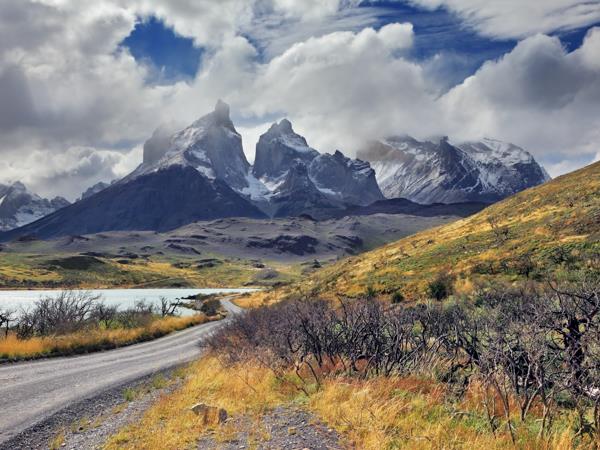
Small group adventure vacation to Patagonia
Explore the spectacular wilderness and mountains of Patagonia
From
£5526
20 days
ex flights
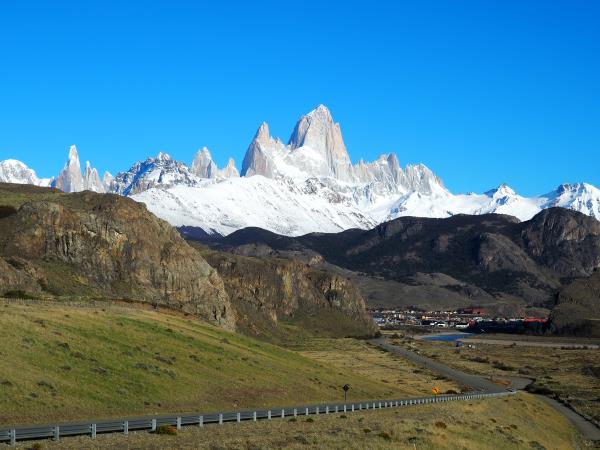
Essential Patagonia vacation, 16 days
Maximise time and budget on this epic Patagonia adventure!
From
£4185
16 days
ex flights
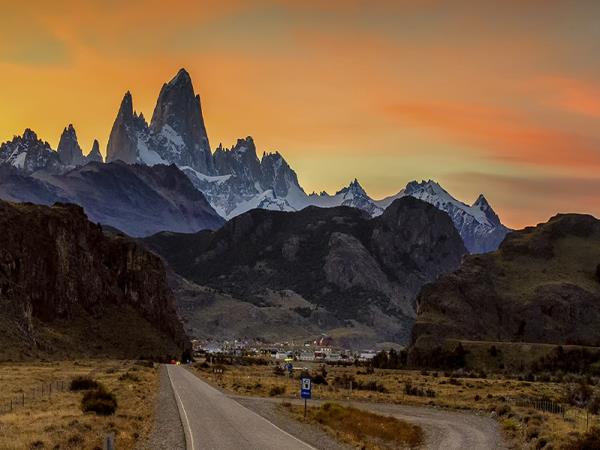
Patagonia adventure vacation, El Calafate & El Chalten
Patagonia's glaciers and hiking trails await you.
From
US $1020 to US $1560
6 days
ex flights
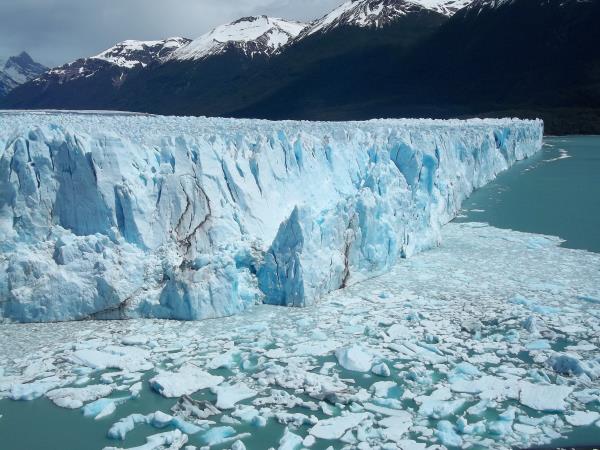
Patagonian adventure vacation
Explore the highlights of Argentine and Chilean Patagonia
From
US $4931
15 days
ex flights
Patagonian adventure vacation in Chile and Argentina
Discover stunning Patagonia
From
£3685
12 days
ex flights
Torres del Paine guided O circuit trek
Get the most from the O trek with a professional guide
From
US $6491
8 days
ex flights


Contact Us
Call us for a chat about our vacations. We are happy to discuss your vacation and help in any way we can. No bots, queues or awful hold music.

1-866-821-6866
Call toll free
Calling from outside the USA

Rediscovering Patagonia’s wildernesses

Patagonia is over a million square kilometres in size. Argentine Patagonia has 16 national parks, and Chile has 17![]()

After I went to Patagonia, I calculated that I moved overland a distance of only 300km, between two popular national parks. Many others do the same. Yet Patagonia is over a million square kilometres in size. Argentine Patagonia has 16 national parks, and Chile has 17, linked together to form La Ruta de Los Parques de la Patagonia and connecting vast tracts of rewilded land.
More and more of Patagonia is coming to life, thanks to rewilding efforts, and so it makes sense to explore deeper if you have time.
In 2018 conservationist Kristine Tompkins, the widow of Douglas Tompkins, made what was speculated to be the largest private land donation ever made to a state: 10 million acres of land was given over to the Chilean government to become five national parks. Similar land acquisitions were made in Argentina, and two organisations, Rewilding Argentina and Rewilding Chile, continue the work today. There’s Patagonia National Park in both Chile and Argentina, and in the wider Patagonia Park region volunteers have built trails and infrastructure amongst the landscape of steppe and canyon. It’s so remote, and far from light pollution, that a planetarium for stargazing was planned for the Argentine side.
Today, local communities and businesses in the region court responsible travelers: opening trekking routes, setting up eco camps and educational tourism experiences, and are contributing towards rewilding. Our partner Say Hueque have planted 100,000 trees in the Rio Tigre Natural Reserve in Chubut: ten native trees for every one of their travelers. They’ve since upped their goal to planting 500,000 trees.
Private enterprises are seeing the economic benefit of responsible tourism. Certain estancias – ranches – are rewilding grazing lands, taking down fences, or working to conserve pumas, rather than hunt them. Estancia Cerro Guido, the largest estancia in Chilean Patagonia, has its own rewilding initiative and conservation foundation, using maremmas an Italian shepherd dog breed to guard sheep from puma, so that puma and sheep farmers can coexist.
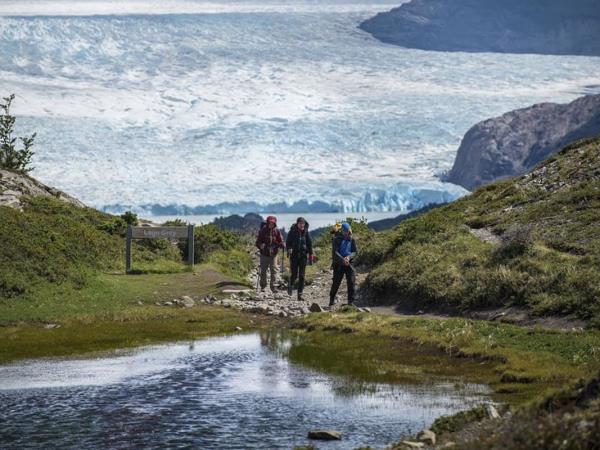
Gaining access to these private lands for wildlife watching is a privilege and often based on local connections. This, alongside tracking puma, or hiking up to remote glaciers, is where having a local guide can be the key to unlocking Patagonia’s wild spaces.
Oxana Protchenko is head of sales for our local partner EcoChile and has seen a surge in interest in self driving vacations in Patagonia after Covid. “Everyone wanted their space!” she says. Travelers aren’t left to set off unsupported – a local partner can give you crucial information about how long different seemingly straightforward road stretches will take: “road conditions really affect driving times.” Patagonia has a very low population density; there are few towns when the land is given over to massive private ranches and parks. “Knowing where the working gas stations are is key. There might be one on the map, but it’s not been working for three years and no one updated the map.”
More and more of Patagonia is coming to life, thanks to rewilding efforts, and so it makes sense to explore deeper if you have time.
In 2018 conservationist Kristine Tompkins, the widow of Douglas Tompkins, made what was speculated to be the largest private land donation ever made to a state: 10 million acres of land was given over to the Chilean government to become five national parks. Similar land acquisitions were made in Argentina, and two organisations, Rewilding Argentina and Rewilding Chile, continue the work today. There’s Patagonia National Park in both Chile and Argentina, and in the wider Patagonia Park region volunteers have built trails and infrastructure amongst the landscape of steppe and canyon. It’s so remote, and far from light pollution, that a planetarium for stargazing was planned for the Argentine side.
Today, local communities and businesses in the region court responsible travelers: opening trekking routes, setting up eco camps and educational tourism experiences, and are contributing towards rewilding. Our partner Say Hueque have planted 100,000 trees in the Rio Tigre Natural Reserve in Chubut: ten native trees for every one of their travelers. They’ve since upped their goal to planting 500,000 trees.
Private enterprises are seeing the economic benefit of responsible tourism. Certain estancias – ranches – are rewilding grazing lands, taking down fences, or working to conserve pumas, rather than hunt them. Estancia Cerro Guido, the largest estancia in Chilean Patagonia, has its own rewilding initiative and conservation foundation, using maremmas an Italian shepherd dog breed to guard sheep from puma, so that puma and sheep farmers can coexist.
Gaining access to these private lands for wildlife watching is a privilege and often based on local connections. This, alongside tracking puma, or hiking up to remote glaciers, is where having a local guide can be the key to unlocking Patagonia’s wild spaces.
Oxana Protchenko is head of sales for our local partner EcoChile and has seen a surge in interest in self driving vacations in Patagonia after Covid. “Everyone wanted their space!” she says. Travelers aren’t left to set off unsupported – a local partner can give you crucial information about how long different seemingly straightforward road stretches will take: “road conditions really affect driving times.” Patagonia has a very low population density; there are few towns when the land is given over to massive private ranches and parks. “Knowing where the working gas stations are is key. There might be one on the map, but it’s not been working for three years and no one updated the map.”
Patagonia wilderness areas to discover – in Argentina
An ecolodge with a penguin colony
Five hours’ drive down the coast from the Valdes Peninsula (a blink of a guanaco’s eye in Patagonia distances) you reach Bahia Bustamente, an ecolodge next to a Magellenic penguin colony with views of both the sea and the steppe from rooms in the former homes of seaweed harvesters. This is an Important Bird and Biodiversity Area (IBA) with a huge diversity of seabirds, as well as sea lion colonies and other marine mammals. This area is considered Patagonia’s answer to the Galapagos – with an Argentinian twist; in traditional gaucho style, you can explore it on horseback.2,600-year-old larch trees
There are very few roads in Patagonia – but the Valdes Peninsula is at one end of scenic National Route 25. Take this rare road inland across the pampas until you get to a point where you start to see the Andes rising ahead of you. Here you’ll find UNESCO-listed Los Alerces National Park, an area where 2,600 year old larch trees, some nearly 60m tall, tower above. This slow-growing species is one of the longest living in the world. Walking trails thread through the virgin forest. From here, it’s a few hours’ drive to Bariloche in the Argentinian lake district, and you’re also close to the border with Chile. Our month-long Patagonia grand tour gets you there.
Eye-stinging winds that knock you off your feet, and wind-whipped views that will knock you for six.![]()
Exploring the end of the world
Ushuaia, the southernmost city in the world, is for thousands the starting point for Antarctic voyages. Its situation, the massive Tierra del Fuego island, is also site of the massive Tierra del Fuego National Park, where forests reach right down to the water, and places where you can trace Indigenous Yamana culture, windswept coasts, abandoned lighthouses, shipwrecked capes. Our in depth Southern Patagonia tour mixes grand landscapes with intimate visits with estancias and local fishers.
Patagonia wilderness areas to discover – in Chile
Heading along the Carretera Austral
Chilean Patagonia begins at the city of Puerto Montt. The Carretera Austral, a 1,240km highway, dives south through rural Patagonia from this starting point, providing access to wild areas like its beautiful Aysen region. This is one of the most stunning scenic routes in the world, linking temperate rainforest, mountains, lakes and rivers. “It’s really beautiful and it is less crowded than areas like Torres del Paine and El Calafate,” says Oxana. “Unlike them, it’s possible to be on the trail by yourself in January [high season].”
This area is hours from airports, and sees fewer international visitors than Torres del Paine. Popular stops en route include kayaking through the Marble Caves on Lake General Carrera in Aysen, seeing the rewilded Chacabuco Valley, where thousands of guanacos and rare huemul deer thrive on former farmland, and heading to the steep slopes of remote and beautiful Pumalin Douglas Tompkins National Park. However, don’t expect a heap of high-end accommodation options. “A lot of places are off the beaten track,” says Oxana “Travelers will find gaps between the level of accommodation in established tourism areas like, say, Torres del Paine, compared to the level along the Carretera Austral.”
This area is hours from airports, and sees fewer international visitors than Torres del Paine. Popular stops en route include kayaking through the Marble Caves on Lake General Carrera in Aysen, seeing the rewilded Chacabuco Valley, where thousands of guanacos and rare huemul deer thrive on former farmland, and heading to the steep slopes of remote and beautiful Pumalin Douglas Tompkins National Park. However, don’t expect a heap of high-end accommodation options. “A lot of places are off the beaten track,” says Oxana “Travelers will find gaps between the level of accommodation in established tourism areas like, say, Torres del Paine, compared to the level along the Carretera Austral.”
Kayaking among uncounted Islands
The Chilean archipelago has so many islands that in 2019 more than 11,000 of them were still unnamed. Among them, you’ll find the Chonos archipelago, off the Aysen region’s west coast, where our partner Spirit of the West Adventures organises Patagonia kayaking tours from a boat named Noctiluca, after the bioluminescence found in the water. Tours follow the traces of the original Indigenous Chonos people around the archipelago, chasing dolphin encounters, and raising a toast to the lagoons with drinks iced by chunks chipped off floating icebergs.
Tracking pumas in Torres del Paine
Wilderness doesn’t always mean more wildlife. You might have a better chance of seeing a puma in busy Torres del Paine, where they are protected, habituated to humans and easily spotted. Pumas are so used to the hundreds of thousands of visitors that they have lost their fear of people. They are protected by law, and many companies offer puma tracking in the park. “It’s been a challenge in the tourism industry in general,” says Oxana “It became so popular to do it that not everyone does it carefully and responsibly.” There’s an alternative: taking guests to private estancias that have their own monitoring programmes, camera traps, and conservationists.
Patagonia might be one of the wildest, windiest spaces on earth, but it can always be wilder. It takes a bit of effort to get off the well-worn tracks and out to some of its more remote parks – but, sipping mate around a campfire, knowing you have been clocked by a puma, or seeing whale spouts from your bedroom window – it’s worth it.
Patagonia might be one of the wildest, windiest spaces on earth, but it can always be wilder. It takes a bit of effort to get off the well-worn tracks and out to some of its more remote parks – but, sipping mate around a campfire, knowing you have been clocked by a puma, or seeing whale spouts from your bedroom window – it’s worth it.
More Patagonia articles
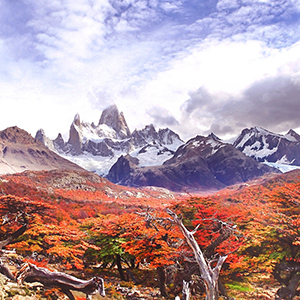
The best time to visit Patagonia is the summer season between November and March.
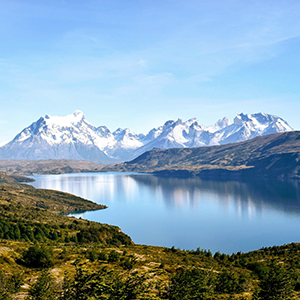
Patagonia: a triangle of land at the end of the world, with calving glaciers, shattered fjords and jagged mountains.
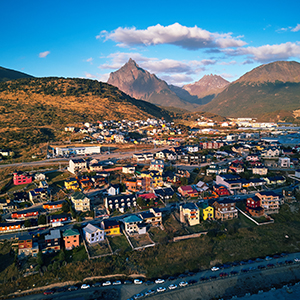
Patagonia is vast, but our suggested itineraries help you explore the parts that interest you most.
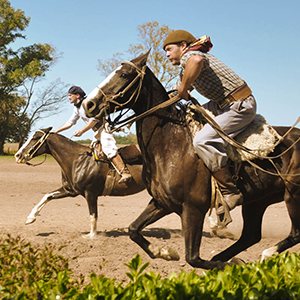
Featuring hiking routes, Gaucho culture, cruises round Cape Horn and the best places to see calving glaciers.
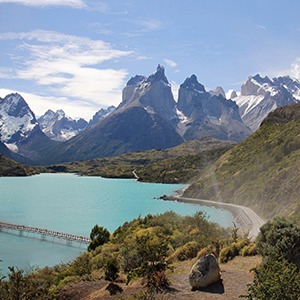
Torres del Paine National Park is one of the brightest jewels in Chilean Patagonia.
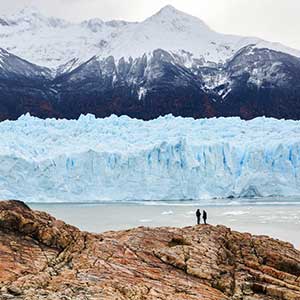
Home to some of the world’s only advancing glaciers and dramatic mountain scenery.
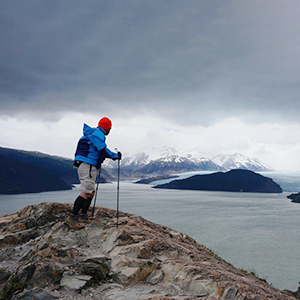
While cars can cover the distance, slow down to a walking pace and you’ll experience what this region is really about.
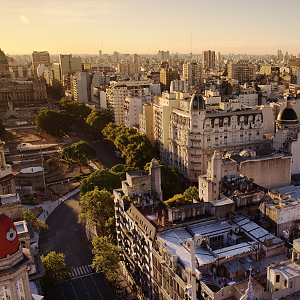
Combine Buenos Aires and Patagonia for a vacation that takes you from chic city streets to wild mountain vistas.
Here’s how to make the most of the world-class trekking and stupendous landscapes.
For more adventurous types, especially those with teenagers, there is much to inspire...
Our vacation companies have shared their most helpful travel tips for this area to help your adventure run more smoothly.
Responsible tourism takes many forms in this vast region across two countries.



_female_Leona_Amarga_2.jpg)