Things to see & do in Sichuan
Sichuan province in China combines dramatic sights with a laid-back vibe – a winning combo for a vacation.
Sichuan is a bit of a drama queen. First of all, the weather is always a bit moody; this southwestern province is China’s cloudiest. Under the grey, though, Sichuan is well known for its diverse landscapes and is surrounded by mountains, making it a popular stop on our vacations. It features the world’s largest stone Buddha and Shunan, China’s oldest and largest bamboo forest. Between the fertile Sichuan Basin in the east and the Tibetan plain in the west there are impressive mountains – including Mount Gongga (7,509m), the third-highest peak outside the Himalayas.
Drama comes, too, from the famous Sichuan opera – brimming with puppetry, acrobatics and fire breathing. At the center is the art of bian lian (‘face changing’), where masks are swapped, beards whipped off and concealed paint changes eyebrow colour and expressions in seconds. It’s a secret art form that is handed down through families and closely guarded – all very cloak and dagger.
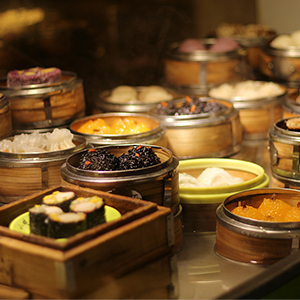
Speaking of fire breathing at the opera, Sichuan cuisine has a reputation for its ferocity thanks to the liberal use of the amazing Sichuan pepper – an ash tree berry, not a peppercorn – that creates aromatic and peculiarly mouth-numbing dishes. Added to chilli to make the flavour known as mala, it’s thought to cool you down in Sichuan’s brooding, humid summers by making you sweat.
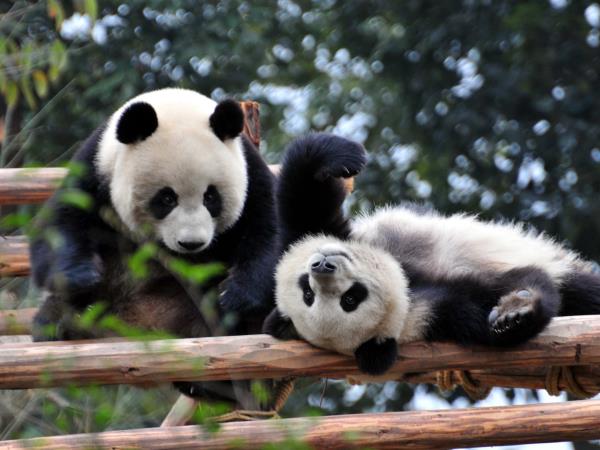
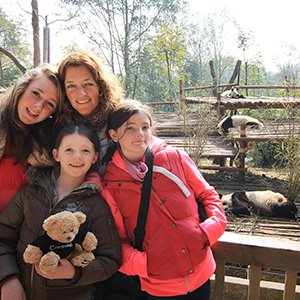
There’s, of course, one delightful Sichuan character with a face to rival the most exquisite bian lian mask. Sichuan is the stronghold for one of the most recognisable animals on the planet: the giant panda. Roaming wild in the province and also kept in research and breeding centers, they are Sichuan’s most beloved sight. With their painted faces, large social media followings and ‘I can’t even’ attitudes, they are the true drama queens of Sichuan.
Sichuan is a bit of a drama queen. First of all, the weather is always a bit moody; this southwestern province is China’s cloudiest. Under the grey, though, Sichuan is well known for its diverse landscapes and is surrounded by mountains, making it a popular stop on our vacations. It features the world’s largest stone Buddha and Shunan, China’s oldest and largest bamboo forest. Between the fertile Sichuan Basin in the east and the Tibetan plain in the west there are impressive mountains – including Mount Gongga (7,509m), the third-highest peak outside the Himalayas.
Drama comes, too, from the famous Sichuan opera – brimming with puppetry, acrobatics and fire breathing. At the center is the art of bian lian (‘face changing’), where masks are swapped, beards whipped off and concealed paint changes eyebrow colour and expressions in seconds. It’s a secret art form that is handed down through families and closely guarded – all very cloak and dagger.
Speaking of fire breathing at the opera, Sichuan cuisine has a reputation for its ferocity thanks to the liberal use of the amazing Sichuan pepper – an ash tree berry, not a peppercorn – that creates aromatic and peculiarly mouth-numbing dishes. Added to chilli to make the flavour known as mala, it’s thought to cool you down in Sichuan’s brooding, humid summers by making you sweat.
There’s, of course, one delightful Sichuan character with a face to rival the most exquisite bian lian mask. Sichuan is the stronghold for one of the most recognisable animals on the planet: the giant panda. Roaming wild in the province and also kept in research and breeding centers, they are Sichuan’s most beloved sight. With their painted faces, large social media followings and ‘I can’t even’ attitudes, they are the true drama queens of Sichuan.

China’s laidback province
For all the dramatics, Sichuan has a reputation for being very relaxed. The east is full of fertile farmland and abundance, the forests mean it’s occasionally known as ‘China’s lungs’. It’s humid and lazy in summer; pandas loll about, eating for between 10 and 16 hours a day. The province’s capital Chengdu is an LGBTQ+ hub, a laidback city filled with green space, where you can spend time at the People’s Park. Here, alongside local people, you can while away the hours with a thermos of green bamboo leaf tea or jasmine-infused green tea and a few handfuls of sunflower seeds, watching fellow patrons playing cards or getting their ears cleaned – a common traditional treatment in the city.China’s popular province
For many years, Sichuan province saw very little tourism money but this is changing fast. There were just over 840,000 inbound tourists into Sichuan in 2009; now it’s more like a few million. While inbound tourism has surged, 40 percent of tourists at the Chengdu Research Base of Giant Panda Breeding are domestic. Sightseeing is serious business in China – there’s a national goal to beautify the country and stimulate rural tourism by sprucing up old settlements as ‘ancient towns’ or ‘charming villages’. Many of these villages have been given substantial facelifts and have Wi-Fi. National parks like the famously beautiful Jiuzhaigou on the edge of the Tibetan Plateau might feel remote, but have very robust infrastructure, while the Bifengxia Valley has the world’s tallest sightseeing lift.
China 10 day vacation, food & heritage
Explore Beijing, Xi'an, Chengdu and Shanghai
From
€2791
10 days
ex flights
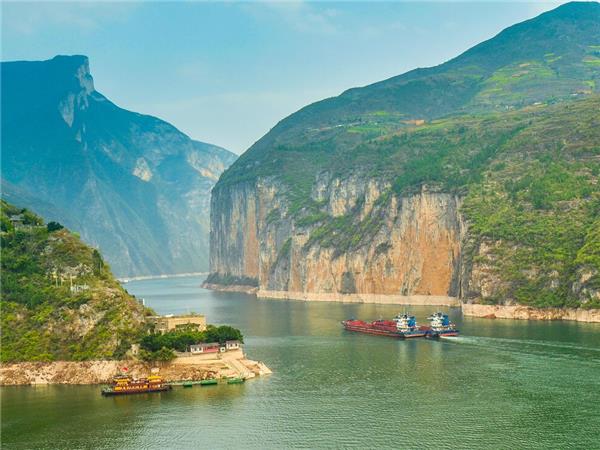
The Essence of China vacation
Explore cultural & religious heritage
From
US $3987 to US $5795
19 days
ex flights
China family vacation in Sichuan
Chengdu, Leshan Giant Buddha, Mt. Emei, Anren Ancient Town
From
US $1218 to US $1452
6 days
ex flights
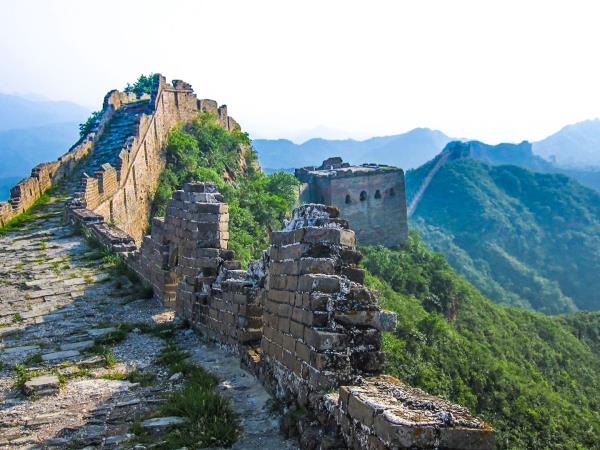
China active & cultural vacation, 16 days
Great Wall hiking, countryside cycling and iconic culture
From
€2817
16 days
ex flights
Minya Konka Mountain trek in Sichuan, China
Spectacular mountain trekking in Sichuan province
From
US $3013 to US $3225
13 days
ex flights


Sichuan highlights
Chengdu
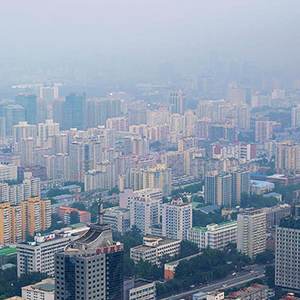
Considered a gateway into lesser-visited western China, Chengdu, the capital of Sichuan, is a megacity of 21 million people. It’s a high-tech hub, and home to one of the largest buildings in the world, the New Century Global Center. Far from being frenetic though, this populous city has a reputation for relaxation. There’s enough tasty, good-value food to keep you interested for months. Most tours include the People’s Park, the beating heart of the city, and Heming Teahouse within it. Wander around Kuanzhai Xiangzi (Wide and Narrow Alley), a preserved historic area, visit Wenshu Monastery and see how many shops selling panda plushies you can spot: the famous Chengdu Research Base of Giant Panda Breeding is a short drive – or a nice bike ride – out of the city.
East Sichuan
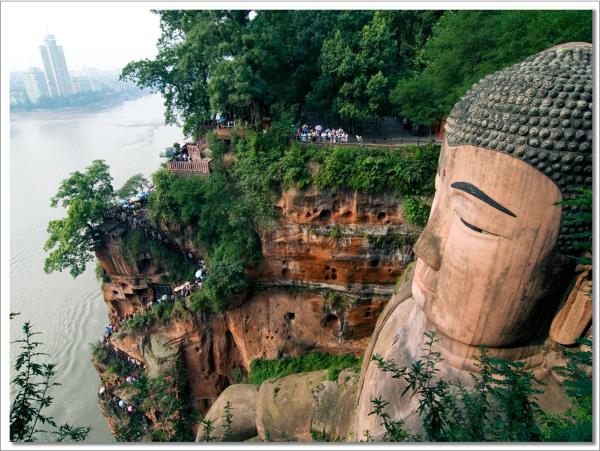
UNESCO-listed Mount Emei is one of China’s four famous Buddhist mountains. Wrap up warm if you’re staying at the hotel near the top –you’ll be rewarded with incredible views from your bedroom window. Alternatively, there’s monastery accommodation available. Nearby in the Mount Emei Scenic Area is the Leshan Giant Buddha, a 71m-tall statue carved into the cliff that overlooks the boat traffic at the confluence of three rivers. Other UNESCO sites include Mount Qingcheng and the Dujiangyan Irrigation System. The latter, built over 2,000 years ago, appears to set the precedent for China’s more recent mass infrastructure projects. Without it, the Chengdu plain would have continued flooding repeatedly and Sichuan would never have become an agricultural powerhouse. It’s now a scenic area – and a very popular tourist attraction.
West Sichuan
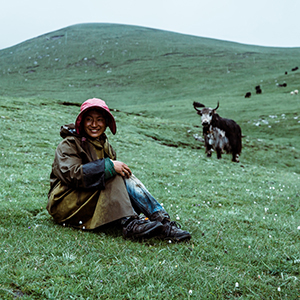
Follow the Tea Horse Road into western Sichuan. This 1,000km network of trading routes rivalled the Silk Road in importance, trading Chinese tea for Tibetan horses. One section of it can be followed as it runs from the city of Ya’an west via the city of Kangding, gateway to the historic Tibetan area of Kham, then on to the town of Batang. It eventually leaves Sichuan and heads towards Lhasa. As you head west through the province you may encounter towns with significant Tibetan populations, like Xiaojin, and come across nomadic herders with their yaks on the grasslands.
There are many scenic areas in Sichuan, like Yading Nature Reserve, close to the high-altitude town of Daocheng. Elsewhere, Jiuzhaigou National Park on the edge of the Tibetan Plateau is a stunning high-altitude valley with colourful lakes that is one of the prettiest places in the province. There is also the Huanglong Scenic and Historic Interest Area nearby.
There are many scenic areas in Sichuan, like Yading Nature Reserve, close to the high-altitude town of Daocheng. Elsewhere, Jiuzhaigou National Park on the edge of the Tibetan Plateau is a stunning high-altitude valley with colourful lakes that is one of the prettiest places in the province. There is also the Huanglong Scenic and Historic Interest Area nearby.
Contact Us

Call us for a chat about our vacations. We are happy to discuss your vacation and help in any way we can. No bots, queues or awful hold music.

1-866-821-6866
Call toll free
Calling from outside the USA


Seeing pandas in Sichuan

We wanted an animal that is beautiful, endangered, and loved by many people in the world for its appealing qualities. We also wanted an animal that had an impact in black and white to save money on printing costs.![]()

– Sir Peter Scott, of the WWF, announcing the panda as their choice of logo.
The best way to see pandas outside of a zoo environment is in China’s panda research centers like Chengdu Research Base of Giant Panda Breeding, which achieved international renown when it managed to breed pandas for the purposes of reintroducing them into the wild. This massive center is designed to attract up to 20 million visitors a year – more than Disneyland. In the last four years certain pandas at the base have achieved massive internet fame, with thousands of fans a day lining up for hours to see them.
Visitors can swerve the crowds and take part in day-long volunteer programmes where they learn to make ‘panda cakes’ and clean cages. Away from the hubbub, captive-born pandas are trained in ‘wilderness schools’ in preparation for their future release, and an enormous national park to link together their habitats was established in 2021. Alongside Chengdu’s panda center you can see pandas in other centers, such as Bifengxia Panda Base near Ya’an, or Wolong Panda Centre, two and a half hours west of Chengdu.
Visitors can swerve the crowds and take part in day-long volunteer programmes where they learn to make ‘panda cakes’ and clean cages. Away from the hubbub, captive-born pandas are trained in ‘wilderness schools’ in preparation for their future release, and an enormous national park to link together their habitats was established in 2021. Alongside Chengdu’s panda center you can see pandas in other centers, such as Bifengxia Panda Base near Ya’an, or Wolong Panda Centre, two and a half hours west of Chengdu.
What to expect on Sichuan vacations
More China articles

Our tips on the best time to visit China, month by month, with our cultural pick from the Chinese calendar.
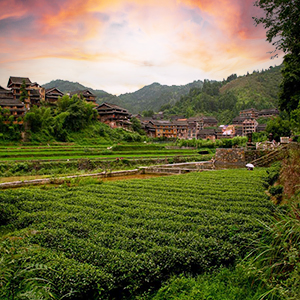
Our China travel guide features everything from advice on food and shopping to a brief history of China.
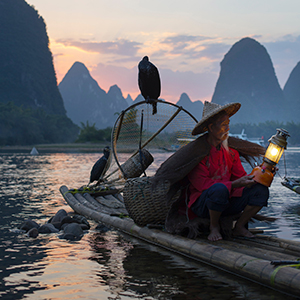
Our China highlights include an interactive map, as well as a list of classic itineraries and travel times.
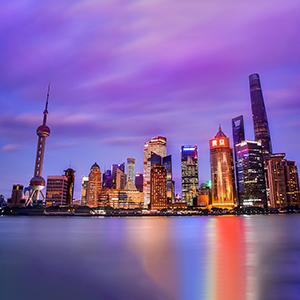
From Beijing to Chengdu, Shanghai to Xi'an, its cities offer insights into China's past, present and future.
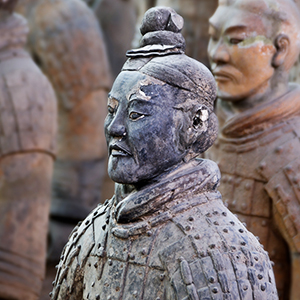
A brief history of China's terracotta army, and the best way to visit the terracotta warriors from Xi'an.
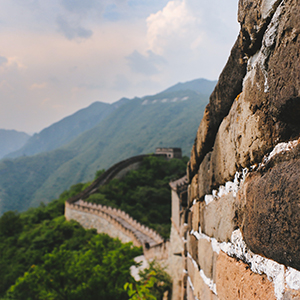
Read our guide to learn how to visit the Great Wall of China, and why the quieter bits speak loudest.
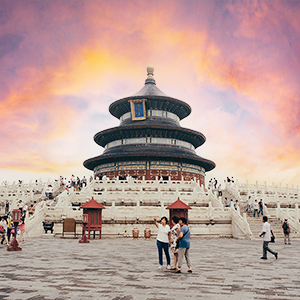
It's in scenes of local life that you’ll get a true picture of what it’s really like to live in Beijing. Find out why.
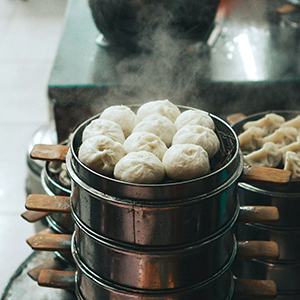
Chinese food is hard to define, because the country is so vast - every region has its own distinct cuisine.
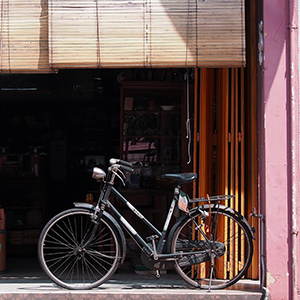
Cycling is an important part of Chinese culture so it makes perfect sense to explore on two wheels.
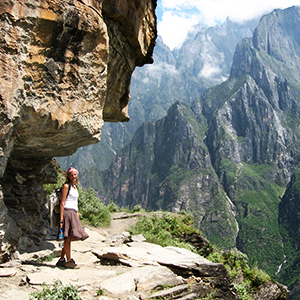
Discover the joys of walking in China, including our top tips on where go on a China hiking vacation.
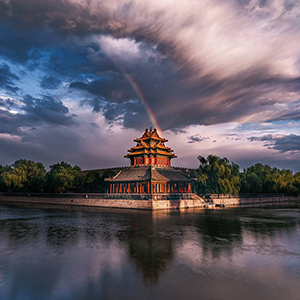
The best way to get the most from the Forbidden City complex is on a tour with a knowledgeable local guide.
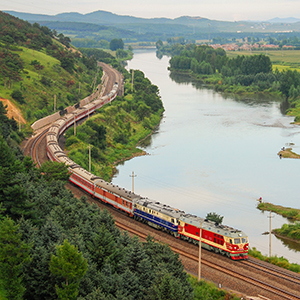
Train travel in China is not only an easy option, but also a fantastic way to get to know the country.
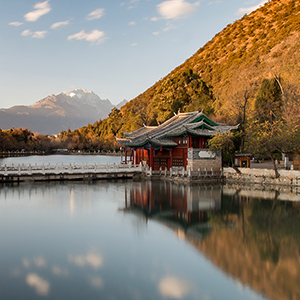
Tours to rural China let you stay in local communities, to see a side of China that most visitors don’t.
From panda watching to mud baths to waterfalls, we introduce the best family activities.
Read on for advice on language and what to pack, as well as tips from our previous travelers in our guide.
China has got tourism problems; we've got the low down on what you can do to travel better.