Top 12 tapas dishes in Spain
Tapas, which comes from the Spanish for ‘cover’ or ‘lid’, are small, often complimentary, plates of food that are traditionally served with drinks in bars all over Spain. Historically, drinkers would cover their glasses with a dish containing something simple like bread, meat or cheese, to prevent flies from getting into the drink. As time went on these dishes became more elaborate, and now travelers in Spain, especially the Andalucia region, can look forward to some superb tapas.
Cazuelas are tapas such as (albondigas) meatballs, stews and salads, which are presented in small, shallow earthenware dishes and are perfect for sharing. Cosas de picar, finger food, are tapas where you don’t need utensils, such as croquetas or pimientos del Padron.
“My tip would be to always order your tapas first,” says Ilaria Grieco of our partner El Geco Verde, who expertly shows her guests around the Granada region on her Andalucia activity vacations. “If you are getting good tapas you may not need to order any food after all as in some bars the size of the dish is bigger than expected!”
Cazuelas are tapas such as (albondigas) meatballs, stews and salads, which are presented in small, shallow earthenware dishes and are perfect for sharing. Cosas de picar, finger food, are tapas where you don’t need utensils, such as croquetas or pimientos del Padron.
“My tip would be to always order your tapas first,” says Ilaria Grieco of our partner El Geco Verde, who expertly shows her guests around the Granada region on her Andalucia activity vacations. “If you are getting good tapas you may not need to order any food after all as in some bars the size of the dish is bigger than expected!”

Best tapas in Spain
Albondigas
Albondigas are meatballs, usually made from beef and pork, flavoured with garlic, parsley and smoked paprika and cooked in a tomato-and-pepper sauce which is lovely when soaked up with a chunk of bread. Typically, they are both cooked and served in a shallow dish known as a cazuela.
Caracoles
Spring is snail season in Spain, and a dish of protein-rich caracoles, cooked in a spicy broth of tomato, cumin, garlic and bay leaves, makes for a delicious treat from around May. If you see cabrillas on the menu, note that these are larger snails. They can be more of a regional speciality. “Caracoles were never a thing in our area [Huelva],” says Lucy Arkwright of our partner Posada San Marcos, “however with the influence of visitors from Seville they have been introduced slowly.” Difficult to introduce snails fast, mind.
Croquetas
Croquetas are one of the most moreish tapas you will get, filled rolls coated with breadcrumbs and deep fried to crispy perfection. Unlike the French version, Spanish croquetas have a creamy, milky sauce inside them, and the other fillings range from Serrano ham to salt cod, crab, squid or cheese. The best croquetas are always those that are handmade – enjoy a plate of them on one of our Andalucia walking vacations and you’ll be convinced.
Ensalada rusa
Ensalada rusa, or Russian salad, is a popular vegetarian tapa, though you will sometimes get tuna, prawns or octopus added. The typical recipe is potato, boiled in their skins, mixed with mayonnaise, carrots, hard boiled eggs and raw onion. Every region tends to put its own spin on the dish, but the basic ingredients are fairly standard.
Espinacas con garbanzos
A lovely winter warmer in mountainous regions such as La Alpujarra, in the foothills of the Sierra Nevada, espinacas con garbanzos is a spinach and chickpea stew. It is served piping hot in small terracotta dishes, just begging to have a piece of bread dunked into it.
Gambas pil pil / gambas al ajillo
A classic tapa, gambas al ajillo originate from the coast of southern Spain, likely the Malaga area. They are prawns, ideally big fleshy ones, sizzled in a sublimely spicy, garlicky sauce and served in a terracotta dish. Gambas pil pil are the same thing but this is the more touristy name for them.

A few slices of jamon serrano on some crunchy bread with some extra virgin olive oil, accompanying an ice-cold beer, is about as good as it gets.![]()

Jamon
“In Huelva, Iberian pork [also known as Pata Negra] is king and a tapa of jamon is at the top of the list,” says Lucy. “You tend to order a racion de jamon even if there are just two of you!” Tinca, of our partner Casa Ana, and a private chef with tapas very close to her heart, agrees on the primacy of pork. “I think simplicity is often key when it comes to tapas. A few slices of jamon serrano from Trevelez, the highest village in Andalucia, where it is cured, on some crunchy bread with some extra virgin olive oil, accompanying an ice-cold beer is about as good as it gets.”
Migas
Migas, literally translated as breadcrumbs, is a very traditional dish made with water, oil and flour cooked together till it gets a texture a bit like a chunky couscous. In the mountains, where you might try them during one of our walking vacations in Las Alpujarras, they are generally accompanied by olive oil, salt, garlic, and peppers, and topped with thick Spanish bacon (panceta), chorizo, and blood sausage (morcilla). Very filling and tasty even just in small portions, migas is a ‘shared tapa’, so you would get it in a little pan in the middle of the table, each person with their own fork.
Mushrooms
“When in season we get the wild mushrooms here – autumn brings us the Boletus edulis and aereus (known locally as tentullo) and the Amanita caesarea (tana), and in spring the Amanita ponderosa (gurumelo) are another anticipated treat,” says Lucy. “Normally, we serve them in revuelto (scrambled eggs). The mushrooms are cooked in olive oil and then the eggs are scrambled into them. They can also be served a la plancha (pan fried) with olive oil, garlic and parsley.”
Patatas Bravas
Wherever you go in Spain, patatas bravas – fried chunks of potato slathered in spicy sauce, are a tapas staple, tasty and filling.
Pimientos del Padron
Padron is a town in Galicia, northwest Spain, from where this traditional tapa originates. These small green peppers are fried in olive oil then served dusted with salt. Usually, they are quite mild but it’s a lottery as every now and then you’ll get one with a bit of heat.
Pisto
“Pisto is a dish that surprises people,” says Lucy. “The closest equivalent is French ratatouille, the difference being the way it is prepared. Each vegetable (aubergine, courgette, green and red peppers, onion, carrot) is shallow fried independently, while a thick tomato sauce is made on the side. The vegetables are then folded into the sauce and it can be served with a pan-fried egg and a slice of ham.”
Other popular tapas include the ubiquitous tortilla, an omelette made with sauteed potatoes; anchovies fried, or marinated in vinegar, olive oil, garlic and parsley; pulpo alla gallego – Galician octopus served with potatoes and flavoured with sea salt and paprika; chilled tomato soups such as gazpacho or porra antequerana, and sliced chorizo, which in Asturias is often served in a bowl of cider.
Other popular tapas include the ubiquitous tortilla, an omelette made with sauteed potatoes; anchovies fried, or marinated in vinegar, olive oil, garlic and parsley; pulpo alla gallego – Galician octopus served with potatoes and flavoured with sea salt and paprika; chilled tomato soups such as gazpacho or porra antequerana, and sliced chorizo, which in Asturias is often served in a bowl of cider.
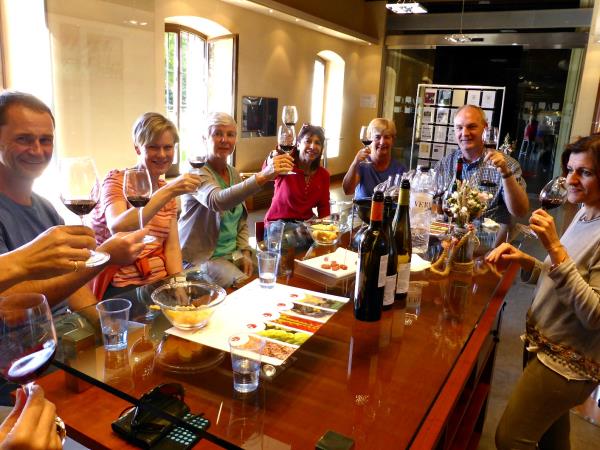
Cooking and hiking vacation, Spanish Pyrenees
Gastronomy and beautiful walks in the Spanish Pyrenees.
From
€1995
8 days
ex flights
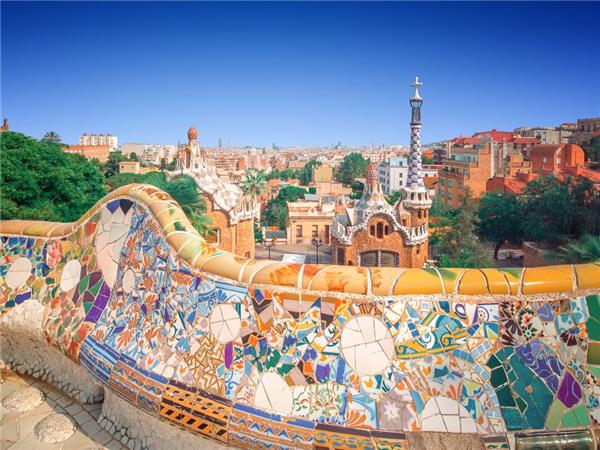
Northern Spain small group vacation
Get a taste of Spain's culture, cuisine and charisma
From
US $2405 to US $3330
8 days
ex flights
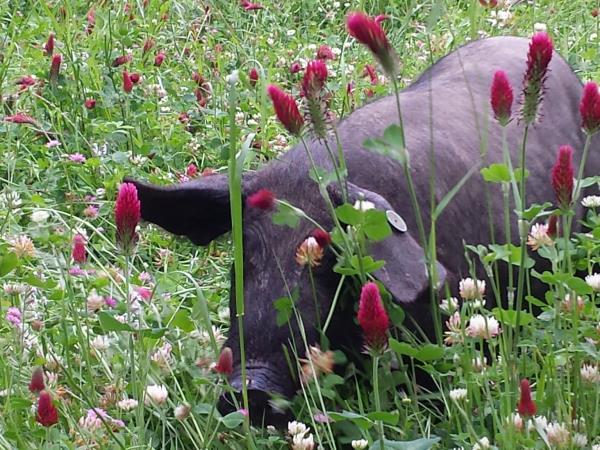
Iberian Ham tour in Andalucia, Spain
Become immersed in the destination of Iberian Ham, Andalusia
From
€750
4 days
ex flights
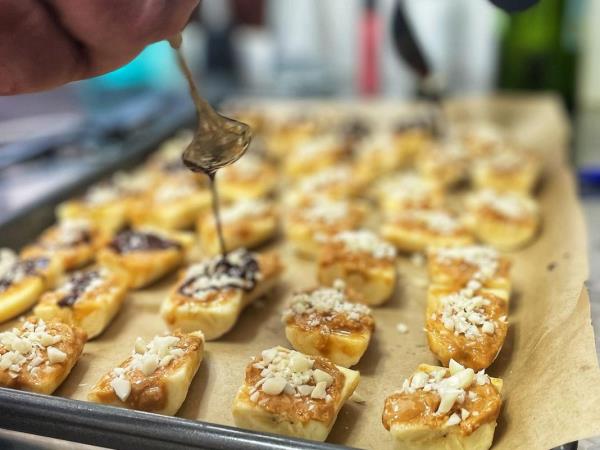
Yoga and plant-based nutrition course in Spain
A healthful, informative and fun retreat
From
€720
6 days
ex flights
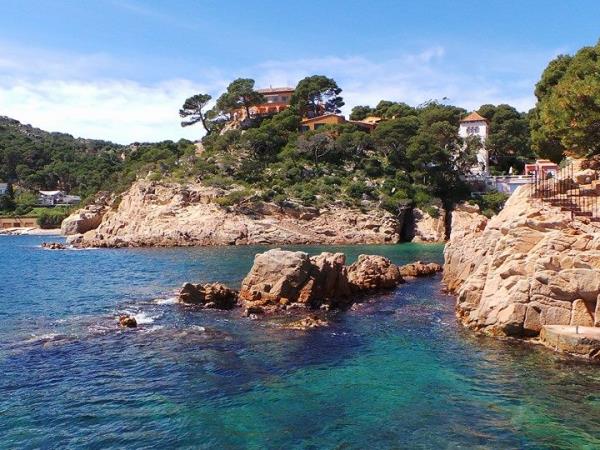
Catalonia cycling & food tour in Spain
Discover the flavours of the Baix Emporda region
From
€1406 to €1797
7 days
ex flights
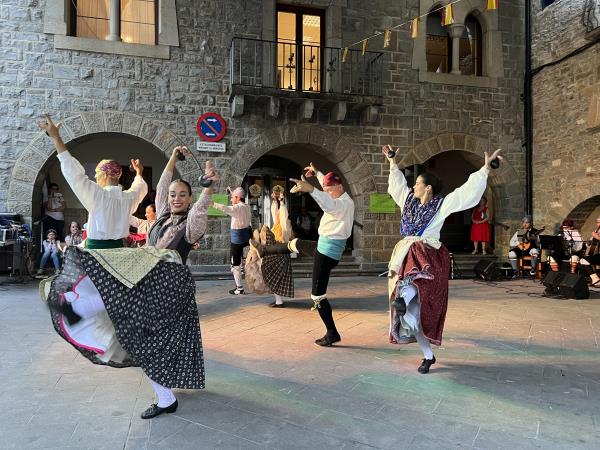
Culture and gastronomy vacation in the Spanish Pyrenees
A mix of cultural visits, food and wine tasting and cooking
From
€1895
8 days
ex flights


Contact Us
Call us for a chat about our vacations. We are happy to discuss your vacation and help in any way we can. No bots, queues or awful hold music.

1-866-821-6866
Call toll free
Calling from outside the USA

Tapas: need-to-know
Do you have to pay for tapas?
In many Granada bars, complimentary tapas are served with drinks. However, elsewhere in Spain it’s likely there will be a charge. There is no universal rule. Essentially, a tapa is just a small portion of a dish that can also be paid for separately as a racion or a media racion which you might share as a group.
Can you choose your own tapas?
In traditional establishments where tapas are served alongside drinks, the etiquette is that you don’t get to choose what you receive, but you’ll get something different with every round of drinks. But tapas culture differs from region to region, and more modern places might offer a tapas menu.
“One of the things I found confusing when I came to our area for the first time was the tapas,” says Ilaria, who lives in Altiplano de Granada. "Here you get a free tapa when you order a drink between certain hours (more or less 12.30pm to 3pm, and 6.30pm to 9pm) but you have no say in what they bring you. Some of the local bars serve migas as a tapa, and this is probably our favorite one. As tapas are free in our area, you can't go to order it. That would be ‘raciones’, which means a bigger portion and a cost.” The free tapas are quite small, so they are not super-effective at soaking up the alcohol!
In Western Andalucia, by contrast, in provinces such as Seville, Malaga, Huelva or Cadiz, you order your drinks and your food separately, and the portions can be quite large.
“One of the things I found confusing when I came to our area for the first time was the tapas,” says Ilaria, who lives in Altiplano de Granada. "Here you get a free tapa when you order a drink between certain hours (more or less 12.30pm to 3pm, and 6.30pm to 9pm) but you have no say in what they bring you. Some of the local bars serve migas as a tapa, and this is probably our favorite one. As tapas are free in our area, you can't go to order it. That would be ‘raciones’, which means a bigger portion and a cost.” The free tapas are quite small, so they are not super-effective at soaking up the alcohol!
In Western Andalucia, by contrast, in provinces such as Seville, Malaga, Huelva or Cadiz, you order your drinks and your food separately, and the portions can be quite large.
Are pintxos the same as tapas?
Pintxos are similar to tapas, but different. Typical of regions in northern Spain, the food, such as croquetas, anchovies or cheese, is pinned to a slice of bread with a pincho (toothpick). In San Sebastian, the pintxos famously get quite elaborate, and you can get an excellent meal by doing a little bar-crawling.
Are there vegetarian and vegan tapas?
There are many tapas dishes that will suit vegetarian or vegan travelers, including patatas bravas, pimientos del Padron, mushrooms, migas, olives and pickles, pickled lupin seeds, cold soups, bean stews and tortos (Asturian corn fritters). “Goat’s cheese served with local honey and wild mountain oregano is pretty awesome too,” recommends Tinca.
There is enormous diversity in tapas, with every region having their own spin on a popular dish, or their own speciality. On our vacations in Spain, we’ll be happy to give you a few pointers on what to try if you’re eating out.
There is enormous diversity in tapas, with every region having their own spin on a popular dish, or their own speciality. On our vacations in Spain, we’ll be happy to give you a few pointers on what to try if you’re eating out.
More Spain articles
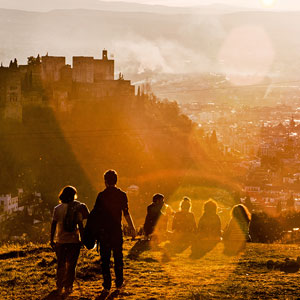
The best time to visit Spain is spring and summer (March-September), but July and August get super hot.

Our Spain travel guide has many fantastic tips to help you travel like a local and make the most of your time.
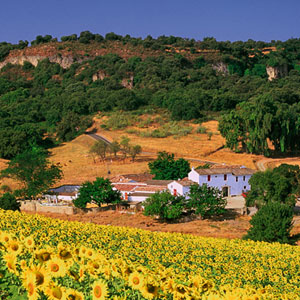
Check out our interactive highlights map that details some of our favorite places to visit in Spain.
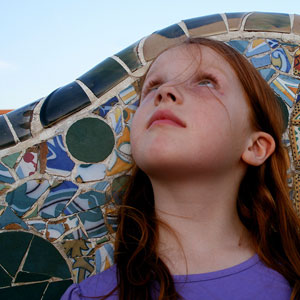
From spaghetti westerns to whitewater rafting, we know what to do with little ones so all you have to do is pack and go.
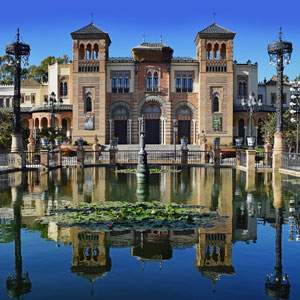
Moorish influences and fiery flamenco - Andalucia is one of Spain's most fascinating regions.
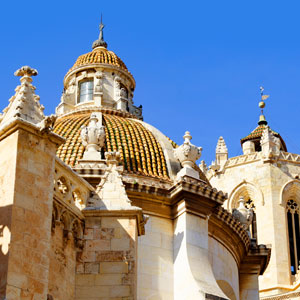
Catalonia packs many landscapes into one region, from Pyrenean peaks, to Mediterranean coast.

You'll have a wild and wonderful walking vacation in the Picos de Europa, a hiker's paradise.
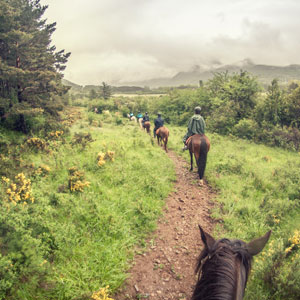
The Altiplano de Granada and the Sierra de Castril mountains offer everything from hiking and biking to canyoning.
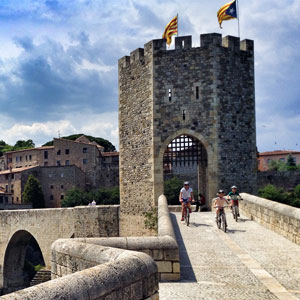
Leave the tourist trails on two wheels and see a side of the country far removed from the costas and the big smoke.
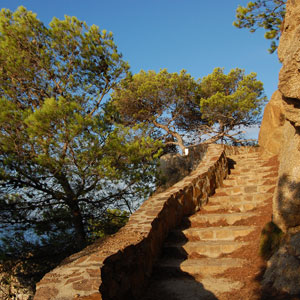
Unlock the secrets of Spain as you walk the country’s mountainous interior and wonderfully wild coastlines.
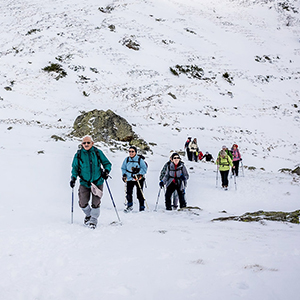
Look upwards for winter vacations in Spain, to the snow-clad peaks of the Sierra Nevada and the Spanish Pyrenees.
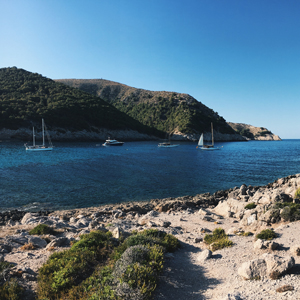
Our best small ship cruising vacations in Spain unlock the Iberian Peninsula.

Some useful tips for anyone who's planning their first trip to Spain.

Our expert-led Spain small group tours foster a sense of cultural immersion.
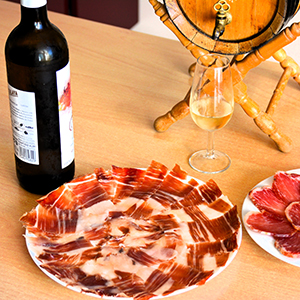
Pinxtos, paella and pata negra - reader take warning, don’t read this on an empty stomach.
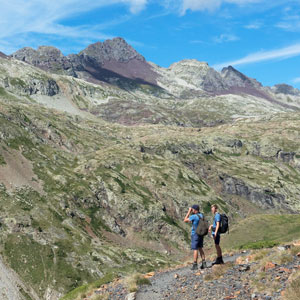
Read on for reliable Spain travel recommendations from our expert partners, and travelers who have been there.
Spain's tourism issues are all worth researching before you go, so that you can travel right.

From wildfires to extreme heat, here's how climate change will affect vacations in Spain in future.
Find all of our Spain guides in one place, from guides to Andalucia or Valencia, to advice on activity vacations.












.jpg)
