How climate change will affect vacations in Europe
More than 80 percent of Europeans say that concerns over climate change have caused them to adjust their vacation plans. Media coverage of wildfires, flooding, heatwaves and other effects of a less predictable, more extreme climate is impossible to avoid.
With excessive heat the primary concern, people are choosing to vacation at different times of year, looking to alternative destinations, and considering new activities and ways of traveling. Whereas a traditional summer vacation might have previously centerd on a beach, now travelers are often looking at mountain stays and thinking of more northern climes. Itineraries have already become more flexible, as operators adapt to include activities that respond to weather conditions – including a lack of snow in winter.
Cities that have taken initiatives to offer respite from the heat may start to appeal more, be it through air-conditioned galleries, or tree planting along public spaces.
As travelers, adaptability will be the main rule, because if one thing is certain it’s that weather – no matter the season - is a whole lot more unpredictable than it was just a decade ago. We explore how our operators are adapting to a rapidly changing world.
With excessive heat the primary concern, people are choosing to vacation at different times of year, looking to alternative destinations, and considering new activities and ways of traveling. Whereas a traditional summer vacation might have previously centerd on a beach, now travelers are often looking at mountain stays and thinking of more northern climes. Itineraries have already become more flexible, as operators adapt to include activities that respond to weather conditions – including a lack of snow in winter.
Cities that have taken initiatives to offer respite from the heat may start to appeal more, be it through air-conditioned galleries, or tree planting along public spaces.
As travelers, adaptability will be the main rule, because if one thing is certain it’s that weather – no matter the season - is a whole lot more unpredictable than it was just a decade ago. We explore how our operators are adapting to a rapidly changing world.


Climate change will change the way we vacation, bringing new risks and challenges, but also new opportunities and ways of traveling better.![]()

Flexibility is key to coping with weather extremes
The unpredictability of weather is a growing concern for people planning European vacations, particularly in summer. An experienced tour operator will be able to adapt itineraries and travel routes when necessary, often in real time. The appeal of last-minute vacations, taking a gamble on availability, will grow as travelers wait to see how the weather is affecting destinations.Visiting different parts of Europe
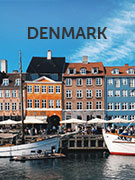
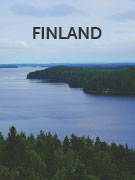
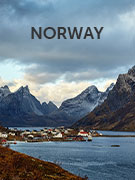
Scandinavian countries including Denmark, Finland and Norway are seeing record numbers of visitors, with some destinations seeing more than 10 percent growth. What’s driving much of that interest is the perception of a milder climate as people increasingly look for ‘coolcations’.
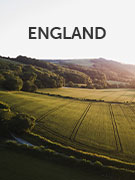
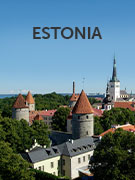
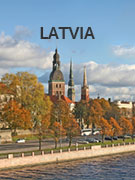
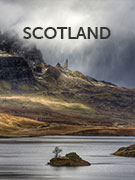
Other northerly European countries like the Baltic states and the UK are also benefitting from this trend. “People are looking at destinations that are slightly more hospitable, with more moderate weather, during the peak summer months,” says Paul Easto, founder of our partner The Wilderness Group. “Classic destinations in Cornwall Devon, Wales, Scotland should continue to appeal because the climate is a bit more moderate.”
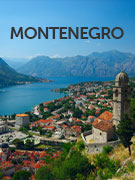
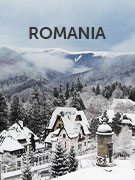
Higher altitudes, such as mountainous and thickly forested destinations like Montenegro and Romania are growing in popularity, too. Many travelers naturally stick close to water, with coastal destinations typically a few degrees cooler than inland. “With climate change and places like Tuscany it’s the heat that will be the main problem,” says Caroline Philips from our partner Explore Worldwide. “In the summer now you need to be up high or near water or it’s getting too hot.”
Significant variations in temperature exist within countries. Northern Spain tends to be considerably cooler and greener than the south, while within Greece, the difference between a mainland temperature and a northerly island can be considerable. Add a boat to the equation, and the heat becomes more manageable still.
Despite the threat of heatwaves and wildfires disrupting travel, major European vacation destinations like Spain, Greece and France will continue to welcome millions of visitors through the summer months. Their attractions are too numerous for the risk of extreme weather to put many people off.
Other northerly European countries like the Baltic states and the UK are also benefitting from this trend. “People are looking at destinations that are slightly more hospitable, with more moderate weather, during the peak summer months,” says Paul Easto, founder of our partner The Wilderness Group. “Classic destinations in Cornwall Devon, Wales, Scotland should continue to appeal because the climate is a bit more moderate.”
Higher altitudes, such as mountainous and thickly forested destinations like Montenegro and Romania are growing in popularity, too. Many travelers naturally stick close to water, with coastal destinations typically a few degrees cooler than inland. “With climate change and places like Tuscany it’s the heat that will be the main problem,” says Caroline Philips from our partner Explore Worldwide. “In the summer now you need to be up high or near water or it’s getting too hot.”
Significant variations in temperature exist within countries. Northern Spain tends to be considerably cooler and greener than the south, while within Greece, the difference between a mainland temperature and a northerly island can be considerable. Add a boat to the equation, and the heat becomes more manageable still.
Despite the threat of heatwaves and wildfires disrupting travel, major European vacation destinations like Spain, Greece and France will continue to welcome millions of visitors through the summer months. Their attractions are too numerous for the risk of extreme weather to put many people off.
Traveling at different times of the year
The main European tourism season will become longer. In many traditional summer vacation destinations in southern Europe such as Greece, Italy, Spain and Portugal it’s now common to see prolonged periods where daytime temperatures exceed 35°C. While there are plenty of people who relish the thought of near-guaranteed sunshine on vacation, shoulder season travel is becoming more common with consistently warm and dry weather in April-May and September-November in many parts of the continent. Families are increasingly thinking of Easter or the May and October half terms for their main vacations rather than the summer months.
In the UK, already a popular walking destination, the window of travel has increased in size. “We're selling more walking vacations during the winter months as people realise it may not be too cold. Walking in 10-12 degrees is absolutely fine,” says Paul.
The warming climate is extending the tourism season in Europe further into the year, reducing the pressure on busy cities like Rome, Athens and Dubrovnik. Already some destinations are looking to increase their flights and ferry schedules into the winter months. This in turn helps businesses to earn more during what is typically the low season.
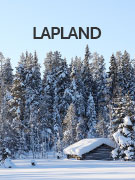
“The snow arrives later now,” says Riitta Kiukas, founder of our Finnish Lapland partner Skafur-Tour. “That means early winter, late-November to early December, can be problematic because if there is little snow that affects the activities people can do like snowshoeing or husky sledding.”
With a shorter winter season, the peak Lapland travel months of December to February get very busy. “We’d like more tourists to come at Easter,” says Riitta. “People don’t realise we still have snow in Lapland in March and April, but actually these are some of the best months to come here.”
In the UK, already a popular walking destination, the window of travel has increased in size. “We're selling more walking vacations during the winter months as people realise it may not be too cold. Walking in 10-12 degrees is absolutely fine,” says Paul.
The warming climate is extending the tourism season in Europe further into the year, reducing the pressure on busy cities like Rome, Athens and Dubrovnik. Already some destinations are looking to increase their flights and ferry schedules into the winter months. This in turn helps businesses to earn more during what is typically the low season.
“The snow arrives later now,” says Riitta Kiukas, founder of our Finnish Lapland partner Skafur-Tour. “That means early winter, late-November to early December, can be problematic because if there is little snow that affects the activities people can do like snowshoeing or husky sledding.”
With a shorter winter season, the peak Lapland travel months of December to February get very busy. “We’d like more tourists to come at Easter,” says Riitta. “People don’t realise we still have snow in Lapland in March and April, but actually these are some of the best months to come here.”
We’ll look for hotels that take the environment seriously
Traveler reviews increasingly mention the sustainability measures of their accommodation.“Twenty-five years ago we wouldn’t get complaints that people couldn't sleep because it’s too hot, but we do now,” says Paul. A number of our off-grid properties, such as a hotel in rural Catalonia, use solar power to power air-conditioning, with more properties likely to follow suit.
All-inclusive hotels and resorts frequently offer air conditioning, which is notoriously power-hungry, and all-inclusive properties also tend to be situated in more built-up areas that trap heat. Smaller, rural properties are able to make more effective use of natural shade, and use traditional, time-tested methods such as window shutters and passive-cooling techniques like white-painted walls.
Many hotels are introducing environmental measures such as solar panels, recycling of grey water to irrigate gardens or flush toilets or installing motion sensors and low energy bulbs for lighting. Others may support nearby conservation projects, or offer advice to their guests on how they can use public transport to get around.
All-inclusive hotels and resorts frequently offer air conditioning, which is notoriously power-hungry, and all-inclusive properties also tend to be situated in more built-up areas that trap heat. Smaller, rural properties are able to make more effective use of natural shade, and use traditional, time-tested methods such as window shutters and passive-cooling techniques like white-painted walls.
Many hotels are introducing environmental measures such as solar panels, recycling of grey water to irrigate gardens or flush toilets or installing motion sensors and low energy bulbs for lighting. Others may support nearby conservation projects, or offer advice to their guests on how they can use public transport to get around.
We’ll do different things on vacation
Places that have traditionally been seen as winter destinations are pivoting to different seasons and new activities that don’t rely on the white stuff.
A warmer climate means less snow in winter, and less snow means steep challenges ahead for the ski resorts of Europe. The lifts at dozens of smaller, low-lying resorts in France have ground to a permanent halt over the last decade, and even resorts at the highest elevations are no longer as snow-sure as they once were.
Traditional winter resorts may start to focus their marketing efforts on different seasons and different activities. After all, lifts can just as easily carry walkers and mountain bikers as they can skiers.
“If people want to hike in August, I'm very careful to choose a hike in a forest rather than on a mountain for the shade,” says one of our Greece partners. “There are certain activities I'd say, look, I don't think that's a good idea at this time of year. But it's just a matter of adapting and finding alternatives that work. For example, we go up in the mountains on a mountain-biking trip, but I choose a route where, about halfway, there's a lovely river where people can jump in and cool off.”
Built-up urban areas tend to be several degrees warmer than rural areas in summer – buildings and roads are usually dark, absorbing heat. It’s likely we’ll see a decline in city breaks during the peak summer months, especially to places that can get intensely hot like Barcelona, Valletta and Athens. Travelers will be more inclined towards indoor activities where the climate can be controlled, such as museums and art galleries.
A warmer climate means less snow in winter, and less snow means steep challenges ahead for the ski resorts of Europe. The lifts at dozens of smaller, low-lying resorts in France have ground to a permanent halt over the last decade, and even resorts at the highest elevations are no longer as snow-sure as they once were.
Traditional winter resorts may start to focus their marketing efforts on different seasons and different activities. After all, lifts can just as easily carry walkers and mountain bikers as they can skiers.
“If people want to hike in August, I'm very careful to choose a hike in a forest rather than on a mountain for the shade,” says one of our Greece partners. “There are certain activities I'd say, look, I don't think that's a good idea at this time of year. But it's just a matter of adapting and finding alternatives that work. For example, we go up in the mountains on a mountain-biking trip, but I choose a route where, about halfway, there's a lovely river where people can jump in and cool off.”
Built-up urban areas tend to be several degrees warmer than rural areas in summer – buildings and roads are usually dark, absorbing heat. It’s likely we’ll see a decline in city breaks during the peak summer months, especially to places that can get intensely hot like Barcelona, Valletta and Athens. Travelers will be more inclined towards indoor activities where the climate can be controlled, such as museums and art galleries.
Destinations will adapt to climate change
In Greece, many archaeological sites now close completely from around midday and reopen for the evening, as wandering around ancient sites for hours while exposed to the brutal glare of the sun is exhausting, and dangerous. In recent years medical teams have been called to the Acropolis in Athens because so many visitors were fainting from the heat.
Here in Brighton, where Responsible Travel is based, our biggest tourist attraction is the pebbly beach. Recent months have seen a large-scale project take place, filling a new groyne area with thousands of tonnes of shingle. Creating a larger beach is intended to protect the area from flooding and erosion in future.
Tourists will increasingly see evidence of climate resilience efforts in the places they visit. Cities such as Athens are rapidly planting trees for natural cooling on hot days. Coastal locations like Venice are coping with rising sea levels with flood barriers, while some cities close to rivers are testing early warning alarm systems for flooding. In mountainous areas glaciers are being covered with blankets to protect them from the sun’s rays and reduce melting. “The bigger activity companies and skiing centers in Finnish Lapland are backing up by storing snow or using artificial snow,” says Riitta Kiukas.
Resilience and preparedness in European destinations are essential given that climate change is already with us and the effects are only going to worsen in years to come. More than half of European cities now have climate adaptation plans in place. That number will only grow.
Here in Brighton, where Responsible Travel is based, our biggest tourist attraction is the pebbly beach. Recent months have seen a large-scale project take place, filling a new groyne area with thousands of tonnes of shingle. Creating a larger beach is intended to protect the area from flooding and erosion in future.
Tourists will increasingly see evidence of climate resilience efforts in the places they visit. Cities such as Athens are rapidly planting trees for natural cooling on hot days. Coastal locations like Venice are coping with rising sea levels with flood barriers, while some cities close to rivers are testing early warning alarm systems for flooding. In mountainous areas glaciers are being covered with blankets to protect them from the sun’s rays and reduce melting. “The bigger activity companies and skiing centers in Finnish Lapland are backing up by storing snow or using artificial snow,” says Riitta Kiukas.
Resilience and preparedness in European destinations are essential given that climate change is already with us and the effects are only going to worsen in years to come. More than half of European cities now have climate adaptation plans in place. That number will only grow.
More Europe articles
When is the best time to visit Europe? Check out our temperature chart and travel advice.
Our guide lifts the lid on what we rate and what we don’t, including information about the food, shopping and people.
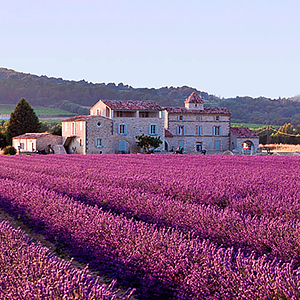
Read our highlights for ideas on where to go in Europe. They'll help you get to grips with distances and travel times.
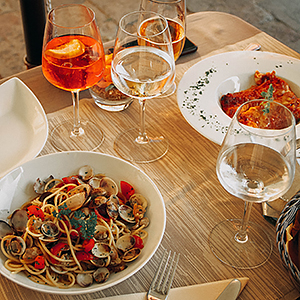
Discover why cooking and food vacations in the Mediterranean are a feast.
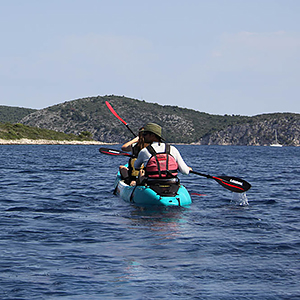
Find out which tours have made our top 10 European adventure breaks.
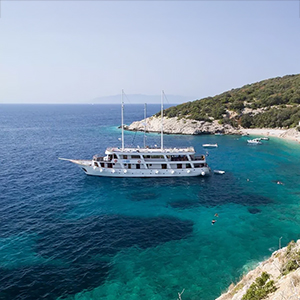
Our pick of the fleet, with a range of destinations and vessels to inspire.
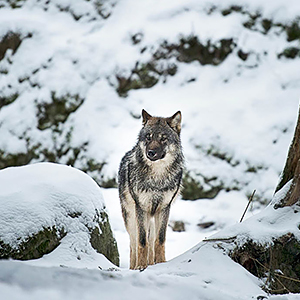
Our top 10 wildlife vacations explain where the wild things are.
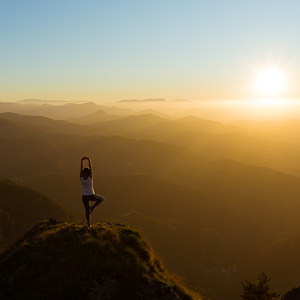
From studios high in the Austrian Alps to sailing boats – take a look at our best retreats.
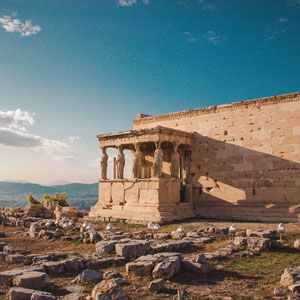
Whether exploring countries or one region, your first visit offers a continent of experiences.
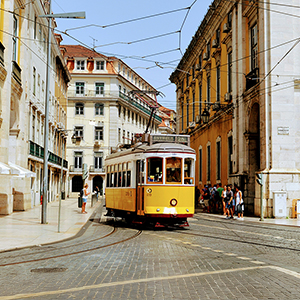
From hotel room sizes to tipping, and the joys of public transport.
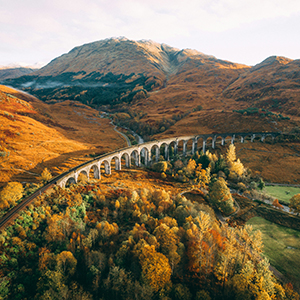
Leaves are turning, wildlife is foraging, and food festivals are in full swing.
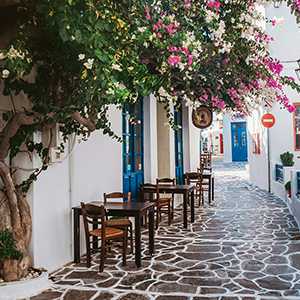
Discover why we recommend Europe in spring, from wildflowers to the weather.
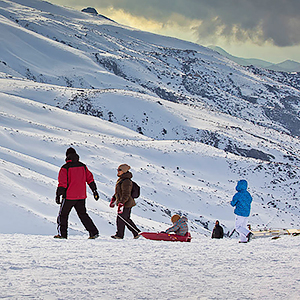
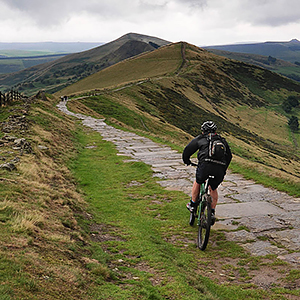
Our top activities in Europe range from activity vacations and wildlife watching to cultural touring and cookery classes.
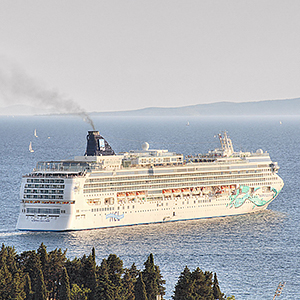
Overdevelopment, cruise ships, pollution and captive cetaceans are all hot topics.
Find all our Europe guides in one place, from Croatia to Finland and everything in-between.