Europe in the autumn vacation ideas
First and Last. Golden Bounty. Forge. Shepherd’s Pippin. Knobby Russet.
It’s the last weekend of September and we find ourselves in our usual place, wandering between the gnarly old trees of Home Farm Orchard. Here in the South Downs, autumn signals the return of Apple Day – a festival organised by the Brighton Permaculture Trust that celebrates Sussex orchards and community food projects. Going to Apple Day and learning about the fruits of our orchards has become a family tradition.
The Forge is an old local favorite, probably first grown around – you guessed it – iron forges. First and Last is said to stay fresh for two years after it’s picked. Shepherd’s Pippin was a cherished cooking apple until glossy supermarket produce changed our idea of what fruit should look like. Knobby Russet is the one that looks like a potato that’s been at the back of the cupboard too long.
As the day rolls on, we pick up crepes (caramelised apple and Calvados for me) and bottles of juice. At some point, when the shadows are long and the sun is low, we go for a walk through the crunchy fallen leaves of the Great Wood.
It’s autumn in Europe and days are getting shorter, but there’s no sense of the year winding down. In fact, Europe is just waking up – and our autumn vacations follow suit.
It’s the last weekend of September and we find ourselves in our usual place, wandering between the gnarly old trees of Home Farm Orchard. Here in the South Downs, autumn signals the return of Apple Day – a festival organised by the Brighton Permaculture Trust that celebrates Sussex orchards and community food projects. Going to Apple Day and learning about the fruits of our orchards has become a family tradition.
The Forge is an old local favorite, probably first grown around – you guessed it – iron forges. First and Last is said to stay fresh for two years after it’s picked. Shepherd’s Pippin was a cherished cooking apple until glossy supermarket produce changed our idea of what fruit should look like. Knobby Russet is the one that looks like a potato that’s been at the back of the cupboard too long.
As the day rolls on, we pick up crepes (caramelised apple and Calvados for me) and bottles of juice. At some point, when the shadows are long and the sun is low, we go for a walk through the crunchy fallen leaves of the Great Wood.
It’s autumn in Europe and days are getting shorter, but there’s no sense of the year winding down. In fact, Europe is just waking up – and our autumn vacations follow suit.

Autumn: Europe’s underrated season
“Autumn is a vastly underrated season,” says Amy Hope, managing director of our partner The Aurora Zone. They run our Finland autumn adventure from September to November. “Winter has the headline activities – snowmobiles, huskies and all that – but it can be very cold and dark. In autumn, you have really nice longer days. And the colours… absolutely breathtaking. You have the oranges, the reds; it’s beautiful.”
Our autumn adventures get you out amongst fiery foliage, freshly snow-capped mountains and coastal footpaths empty of summer crowds. Harvest kicks off in most European countries – along with invitations to food festivals, tastings, foraging walks and cooking demos. Above, migrating birds sweep in from cooler climes; below, forests rustle with wildlife stocking up their larders before winter arrives. Photography expeditions, wildlife cruises, and active walking and cycling trips all get a second wind in the cooler temperatures.
“Local people spend their lives outdoors in Finland,” says Amy. “It’s second nature. They go home from work and go for a hike and go berry picking and mushroom picking – so we’ve incorporated this into our trip.”
The days might be shorter, but earlier sunsets simply mean more time for huddling around campfires and stargazing... or watching out for early glimpses of the Northern Lights, which can be particularly lively around the autumn equinox in late September. If you’re lucky, you might see them reflected in freshly frozen lakes.
Our autumn adventures get you out amongst fiery foliage, freshly snow-capped mountains and coastal footpaths empty of summer crowds. Harvest kicks off in most European countries – along with invitations to food festivals, tastings, foraging walks and cooking demos. Above, migrating birds sweep in from cooler climes; below, forests rustle with wildlife stocking up their larders before winter arrives. Photography expeditions, wildlife cruises, and active walking and cycling trips all get a second wind in the cooler temperatures.
“Local people spend their lives outdoors in Finland,” says Amy. “It’s second nature. They go home from work and go for a hike and go berry picking and mushroom picking – so we’ve incorporated this into our trip.”
The days might be shorter, but earlier sunsets simply mean more time for huddling around campfires and stargazing... or watching out for early glimpses of the Northern Lights, which can be particularly lively around the autumn equinox in late September. If you’re lucky, you might see them reflected in freshly frozen lakes.
Harvest time in hard times

The colour maroon has roots in the French word for chestnut. It’s also the name for a firework – like the crackle and snap of chestnuts roasting on bonfires.![]()

Our autumn vacations are fuelled by great seasonal food. In fact, autumn is one of the best times to go on our cooking vacations to see exactly how European staples go from farm to fork.
“In autumn, when we have the olive harvest, you can see the pressing process and we always do a walk in the groves,” says Marina Caldera, co-owner of Agriturismo Podere le Olle, who runs our cooking and food vacations in Italy right through to the end of October. “When you’re tasting olive oil, you actually drink it. First you smell the aroma, then you swill a little in your mouth. Then you breathe in, and swallow – gently, because the last part is very peppery. This is the proper way of appreciating olive oil.”
You’ll get to celebrate too – just take your pick of autumn festivals. “There’s a pumpkin festival, a honey festival... all sorts!” says Fiona Smart, from our activity vacation specialists Mas Pelegri. Fiona co-runs our family activity vacations in Catalonia. “The first week of September is the Besalu medieval festival – it’s amazing. People come from all over the world to this tiny town of 2,000 people.”
Your efforts – and it is a real effort making your way through honey sweets, chestnut cakes and bowls of creamy porcini pasta – support small, more sustainable producers who rely on the increasingly changeable whims of the seasons.
Recently, climate change brought the hottest September on record to some places in Europe. Spells of unpredictable weather, from droughts to deluges, can wreak havoc on harvests. On our vacations, you can hear about the realities of climate change in Europe from some of the people most affected – and directly support the businesses who are experiencing ever more uncertain seasons.
“There’s a lot of change in the weather in Finland,” says Amy. “You can never know when the first snowfall will be. October has previously been like summer – and then the following year everything was under a metre of snow. If you’re booking autumn, there’s a certain level of unpredictably about it.”
“In autumn, when we have the olive harvest, you can see the pressing process and we always do a walk in the groves,” says Marina Caldera, co-owner of Agriturismo Podere le Olle, who runs our cooking and food vacations in Italy right through to the end of October. “When you’re tasting olive oil, you actually drink it. First you smell the aroma, then you swill a little in your mouth. Then you breathe in, and swallow – gently, because the last part is very peppery. This is the proper way of appreciating olive oil.”
You’ll get to celebrate too – just take your pick of autumn festivals. “There’s a pumpkin festival, a honey festival... all sorts!” says Fiona Smart, from our activity vacation specialists Mas Pelegri. Fiona co-runs our family activity vacations in Catalonia. “The first week of September is the Besalu medieval festival – it’s amazing. People come from all over the world to this tiny town of 2,000 people.”
Your efforts – and it is a real effort making your way through honey sweets, chestnut cakes and bowls of creamy porcini pasta – support small, more sustainable producers who rely on the increasingly changeable whims of the seasons.
Recently, climate change brought the hottest September on record to some places in Europe. Spells of unpredictable weather, from droughts to deluges, can wreak havoc on harvests. On our vacations, you can hear about the realities of climate change in Europe from some of the people most affected – and directly support the businesses who are experiencing ever more uncertain seasons.
“There’s a lot of change in the weather in Finland,” says Amy. “You can never know when the first snowfall will be. October has previously been like summer – and then the following year everything was under a metre of snow. If you’re booking autumn, there’s a certain level of unpredictably about it.”
Changing tourist seasons
Summer tourists tend to be a reliable bunch; June to August are always the busiest months in Europe. Those arriving in autumn, on the other hand, are a happy surprise, offering a chance for vineyards, farm shops and guest houses to operate for a longer season.
“Year-round tourism is better for the economy and more sustainable generally,” says Sally Guillame, founder of our partner Undiscovered Mountains, who specialise in adventure vacations in the French Alps. “We have a gourmet walking vacation which works well in the autumn.”
Autumn is quieter too. The hotels that stay open are rarely full and tourists no longer outnumber local people. In fact, in France and Italy this is the time of la rentrée or il rientro – the return of businesses, schools and politicians from their summer siestas.
It’s a similar story in Finland. “It’s a lot quieter,” says Amy. “Activity groups are a bit smaller; restaurants are quieter. It’s really nice – you feel like you’re seeing an authentic side of northern Lapland.”
With fewer people traveling, most prices are lower too. Off-season trains and flights in Europe are cheaper, although not as frequent. Popular hiking routes like the Amalfi Coast are peaceful as villages return to their usual, sleepier rhythms.
Autumn is a crunchy time of year in Spain's Basque Country. The ground is scattered with walnuts and chestnuts and slippery with acorns underfoot, delightful conditions for hungry sheep. Local people keep their favorite mushroom patches a secret – they’re out at 6am so no one sees where they go.
“Year-round tourism is better for the economy and more sustainable generally,” says Sally Guillame, founder of our partner Undiscovered Mountains, who specialise in adventure vacations in the French Alps. “We have a gourmet walking vacation which works well in the autumn.”
Autumn is quieter too. The hotels that stay open are rarely full and tourists no longer outnumber local people. In fact, in France and Italy this is the time of la rentrée or il rientro – the return of businesses, schools and politicians from their summer siestas.
It’s a similar story in Finland. “It’s a lot quieter,” says Amy. “Activity groups are a bit smaller; restaurants are quieter. It’s really nice – you feel like you’re seeing an authentic side of northern Lapland.”
With fewer people traveling, most prices are lower too. Off-season trains and flights in Europe are cheaper, although not as frequent. Popular hiking routes like the Amalfi Coast are peaceful as villages return to their usual, sleepier rhythms.
Autumn is a crunchy time of year in Spain's Basque Country. The ground is scattered with walnuts and chestnuts and slippery with acorns underfoot, delightful conditions for hungry sheep. Local people keep their favorite mushroom patches a secret – they’re out at 6am so no one sees where they go.
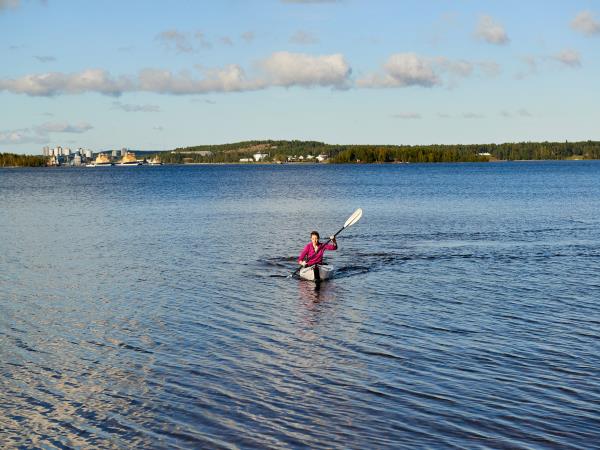
Autumn Auroras in Swedish Lapland
Experience Sweden under Autumn Aurora colours
From
£1475
4 days
ex flights
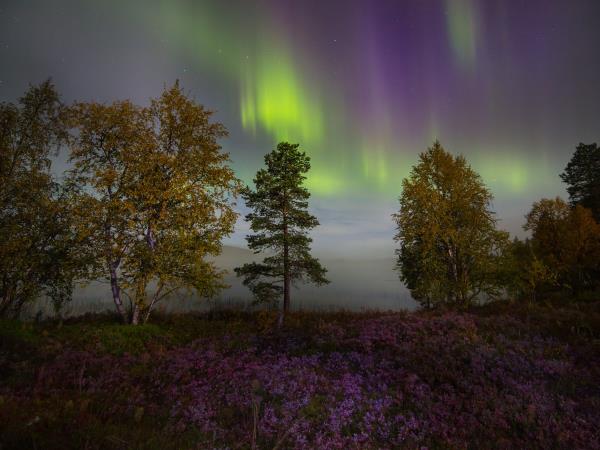
Autumn lights tailor made vacatio, Finland
Experience Autumn in the beautiful Saariselka Finland
From
£695
4 days
ex flights
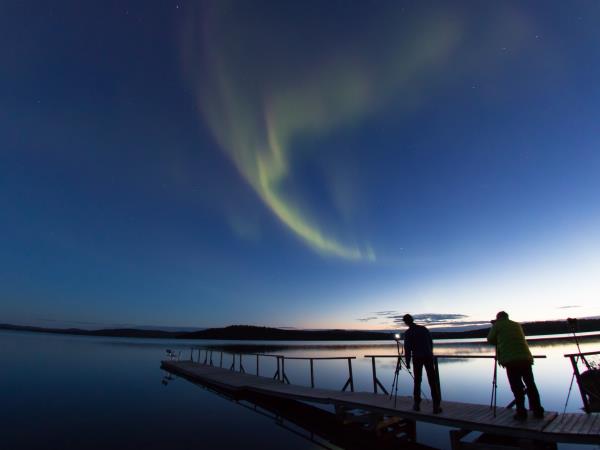
Wilderness auroras vacation during the Finnish Autumn
Explore Menesjärvi in Finland during Autumn
From
£1255
5 days
ex flights
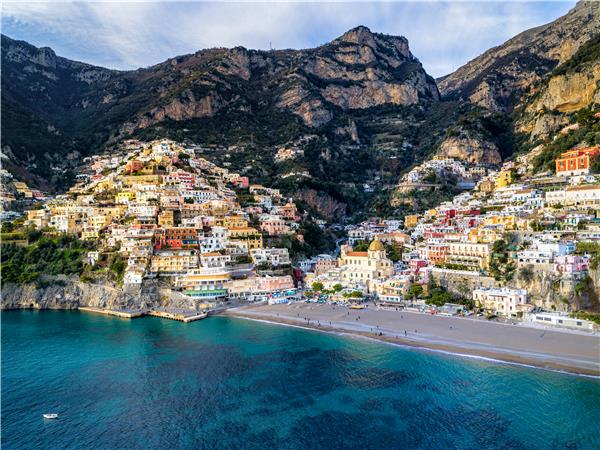
Amalfi Coast walking vacation, Italy
Walk in lemon groves and hillside villages
From
US $1995 to US $3115
8 days
ex flights
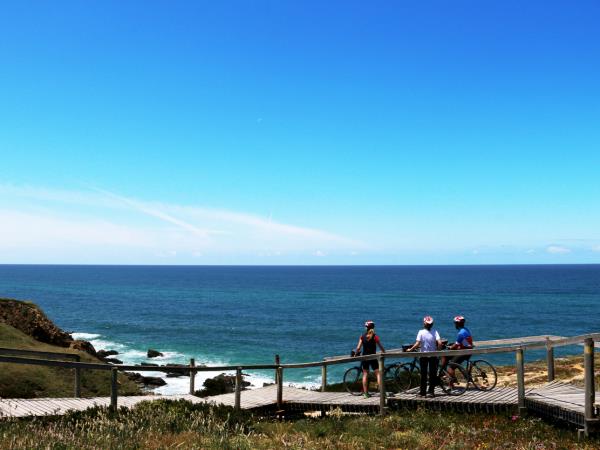
Porto to Lisbon cycling vacation, self guided
Easy flat scenic ride along beautiful coastline
From
€1019 to €1280
8 days
ex flights
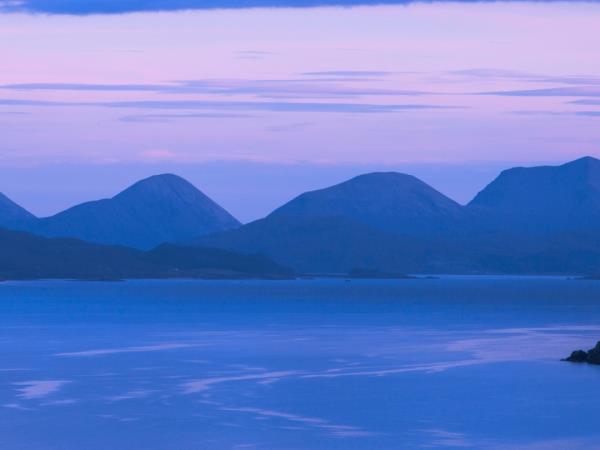
Grand rail tour of Scotland
A leisurely self-guided trip touring Highlands and islands
From
£3560 to £3670
16 days
ex flights


Where to go in Europe in autumn
Thousands go in winter and do a husky safari, but there aren’t many who can say they’ve trained the dogs for the season.![]()
Finland
Visiting Finland in autumn is a relatively new concept to visitors – but not to local people, who return to their lakeside log cabins as soon as the summer mosquito season wanes. It’s a great time for foraging for berries (as the moose and brown bears rambling the forests know). Darker skies make for a clearer canvas for stargazing and Northern Lights watching. Outside the cities, light pollution is near-zero.People have also adapted snow activities for the non-snow season. “Instead of a husky safari you go on a cart with wheels,” says Amy. “The dogs are in training for winter and it’s lovely. Thousands go in winter and do a husky safari, but there aren’t many who can say they’ve trained the dogs for the season.”
Scotland
“Everyone wants to go on our rail vacation to Scotland in May or June, but I think the nicest times are actually in the autumn,” says Robert Kidd, from our partner McKinlay Kidd. “The weather can be a bit more mixed, but you get the autumn colours and especially the heather from late August. In September, the trees begin to turn – and then later in the autumn, when the leaves fall off the trees, the views are much more open.”
Our best advice: leave planning and booking the journeys in the hands of our expert partners, who are pros at navigating the maze of off-season train and ferry schedules.
The wildlife also perks up again in autumn. Red squirrels flit around pine forests burying goodies, the unnerving roar of rutting stags booms along bronzing valleys, and salmon struggle upstream to their breeding grounds. Our Highlands walking tours and our wildlife cruises are a great way to see wildlife – and the projects supporting their habitats – in autumn.
Our best advice: leave planning and booking the journeys in the hands of our expert partners, who are pros at navigating the maze of off-season train and ferry schedules.
The wildlife also perks up again in autumn. Red squirrels flit around pine forests burying goodies, the unnerving roar of rutting stags booms along bronzing valleys, and salmon struggle upstream to their breeding grounds. Our Highlands walking tours and our wildlife cruises are a great way to see wildlife – and the projects supporting their habitats – in autumn.
Italy
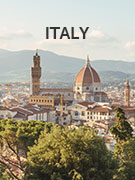
Venice, Florence and Rome, the Amalfi Coast, Cinque Terre – all beautiful, but all painfully busy (and often painfully hot) in the high summer. In autumn, however, the weather and waters stay mild, and you can finally enjoy them without jostling for a photo. Outside the cities, the foliage is turning fiery in the Dolomites, where walking and autumn photography tours explore misty valleys and larch forests that wash the foothills with gold. All over Italy, harvest begins – a season of grapes, truffles, mushrooms and olives. Our food, wine and cooking vacations lift the lid on how these delicious delicacies end up on your plate.
Spain
Go back to school in September – to spruce up your Spanish in the Picos de Europa. “The weather is really mild, the days long and the area is mainly empty of other visitors,” says Ana Rodriguez Garcia, from our partner Peak Me Languages, who runs the tours. “This means all the classic walks, such as Ruta del Cares, which is not very nice to do in the summer months, will be almost empty.” Andalucia, in the even sunnier south, is also great for active outdoor vacations. Generous servings of sunshine go well with the less busy beaches too.
Norway – including Spitsbergen
Come November, fin and humpback whales, along with orcas, hunt for herring in the fjords near Tromso in northern Norway. But it isn’t just the whale encounters that Responsible Travel’s partnership manager Tessa O’ Hara remembers.
“The Arctic scenery is incredible,” says Tessa, who travelled on a whale watching and Northern Lights cruise in November. “Everything is covered in snow. You’re there at a time of year when the sun is rising but never that high in the sky, so you get this peachy, golden glow reflecting off the snow... The snow arrives by the end of October, so it’s relatively fresh.”
Strike out even further north for more extraordinary wildlife encounters – to Svalbard, where autumn small ship expeditions reveal polar bears, foxes, walruses and reindeer busy preparing for winter in the dying light of the Arctic autumn.
Fjord cruises are at their best around now, too. Most of the behemoth boats will have departed, leaving you to admire autumn colours in relative peace.
“The Arctic scenery is incredible,” says Tessa, who travelled on a whale watching and Northern Lights cruise in November. “Everything is covered in snow. You’re there at a time of year when the sun is rising but never that high in the sky, so you get this peachy, golden glow reflecting off the snow... The snow arrives by the end of October, so it’s relatively fresh.”
Strike out even further north for more extraordinary wildlife encounters – to Svalbard, where autumn small ship expeditions reveal polar bears, foxes, walruses and reindeer busy preparing for winter in the dying light of the Arctic autumn.
Fjord cruises are at their best around now, too. Most of the behemoth boats will have departed, leaving you to admire autumn colours in relative peace.
Iceland
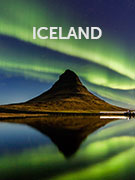
Most people wait until the longer, darker nights of December and January to see the Northern Lights in Iceland. However, we recommend taking a chance on autumn, when the aurora is often enjoying an energetic turn under the solar maximum – a period when solar activity is at its liveliest.
Back on terra firma (or as firma as the terra gets in geologically active Iceland), classic tourist routes like the Golden Circle are quiet and the roads are clear both of people and snow, so it’s also a great time for exploring the remote routes of the Highlands before they become impassable. Temperatures cool in autumn too – which is just the excuse you need for a dip in a hot spring.
Back on terra firma (or as firma as the terra gets in geologically active Iceland), classic tourist routes like the Golden Circle are quiet and the roads are clear both of people and snow, so it’s also a great time for exploring the remote routes of the Highlands before they become impassable. Temperatures cool in autumn too – which is just the excuse you need for a dip in a hot spring.
Croatia
Autumn is your chance to see Croatia footloose and crowd-free. The main cruise season wanes, but the small ships remain, crewed by local seafarers who keep to the seas until the windy weather sets in during October. It’s not always beach weather in autumn, but there’s plenty of sunshine for island-hopping, and the cooler temperatures are great for activity vacations. Autumn colours come courtesy of the island vineyards and national parks like Plitvice Lakes National Park, when the turquoise pools are almost outshone by the red and gold trees around.
When is autumn in Europe?
According to the astronomical calendar, autumn in Europe always starts around the 22 September (autumnal equinox, when days and nights are equal length) and ends around 20 December (winter solstice). However, many people measure autumn by the meteorological calendar, which goes by the weather rhythms and the Gregorian calendar. In that case, Europe’s autumn is neatly defined as September, October and November.
More Europe articles
When is the best time to visit Europe? Check out our temperature chart and travel advice.
Our guide lifts the lid on what we rate and what we don’t, including information about the food, shopping and people.
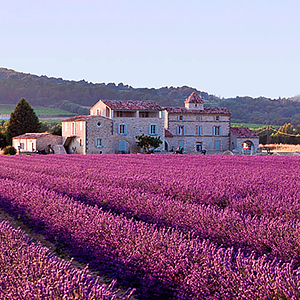
Read our highlights for ideas on where to go in Europe. They'll help you get to grips with distances and travel times.
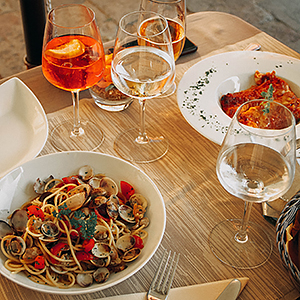
Discover why cooking and food vacations in the Mediterranean are a feast.
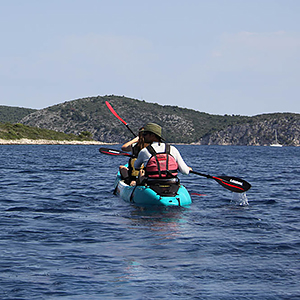
Find out which tours have made our top 10 European adventure breaks.
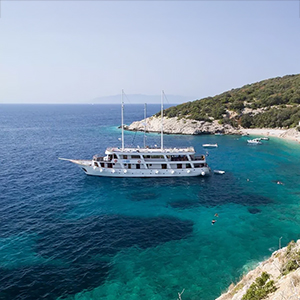
Our pick of the fleet, with a range of destinations and vessels to inspire.
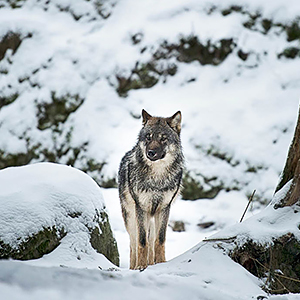
Our top 10 wildlife vacations explain where the wild things are.
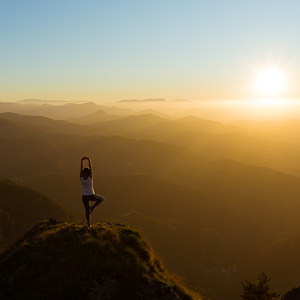
From studios high in the Austrian Alps to sailing boats – take a look at our best retreats.
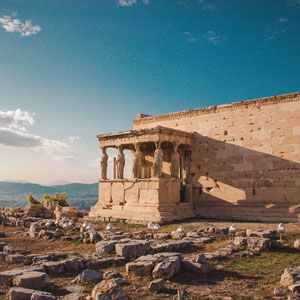
Whether exploring countries or one region, your first visit offers a continent of experiences.
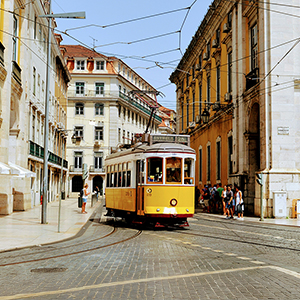
From hotel room sizes to tipping, and the joys of public transport.
Discover why we recommend Europe in spring, from wildflowers to the weather.
Our top activities in Europe range from activity vacations and wildlife watching to cultural touring and cookery classes.
Risks, and some opportunities, from more extreme weather.
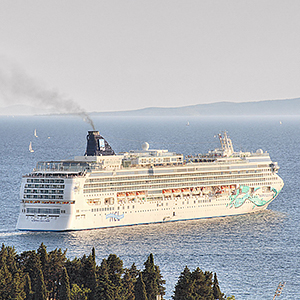
Overdevelopment, cruise ships, pollution and captive cetaceans are all hot topics.
Find all our Europe guides in one place, from Croatia to Finland and everything in-between.